
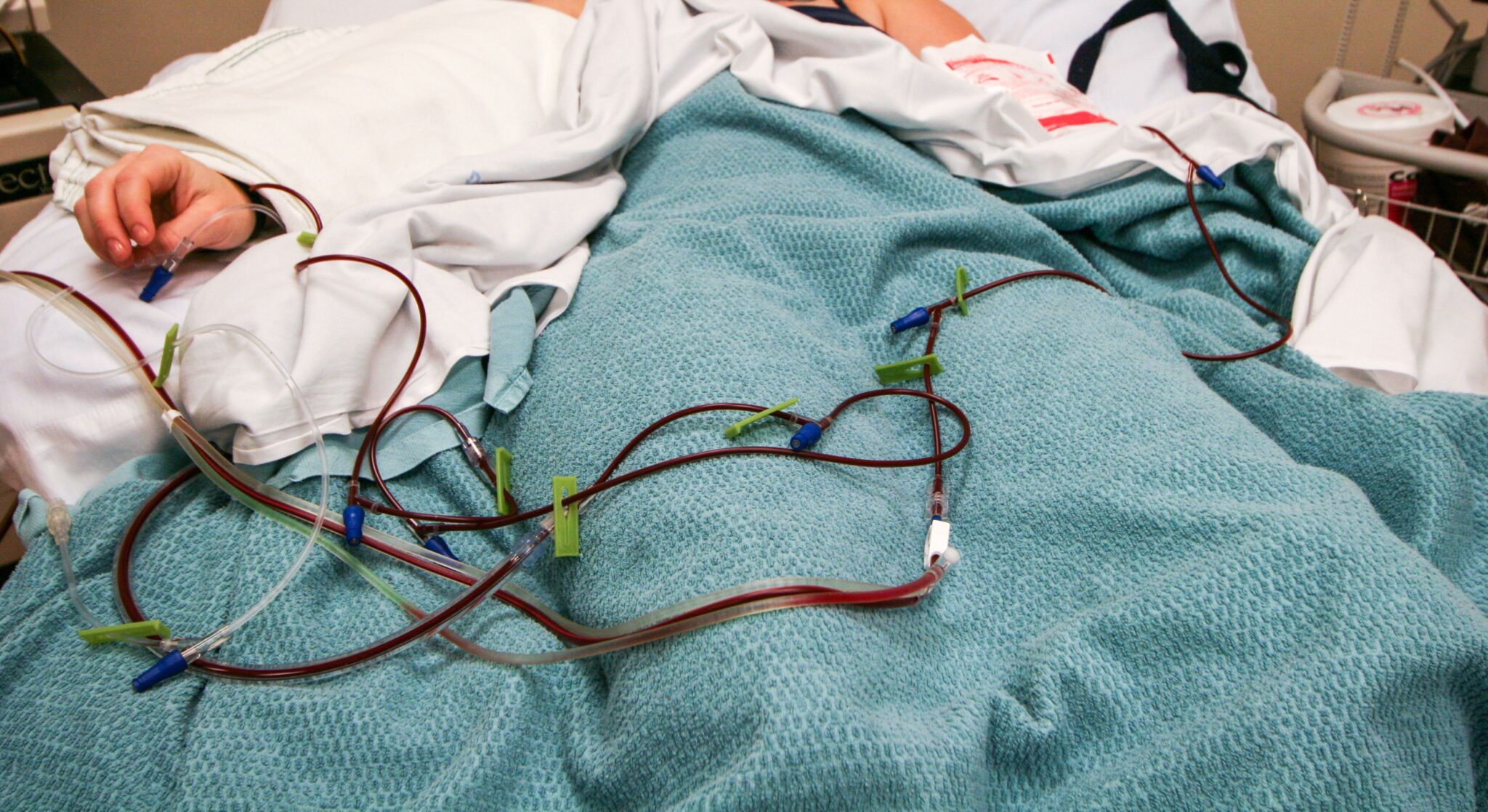
A Bone Marrow Transplant (BMT), also known as a Stem Cell Transplant, is one of the most advanced treatments available for certain blood cancers, bone marrow disorders, and immune system diseases. This life-saving procedure replaces damaged or diseased bone marrow with healthy stem cells, allowing the body to produce new blood cells and restore normal immune function.
Over the last decade, remarkable advancements in transplant medicine have significantly improved success rates, reduced complications, and increased long-term survival. Today, India has become a leading destination for Bone Marrow Transplant Treatment, offering world-class hospitals, experienced hematologists, cutting-edge technology, and affordable treatment costs for international patients.
At Mufa Meditourism, we help patients from across Africa, the Middle East, and other regions access India's top Bone Marrow Transplant Centers with complete medical travel support.
Understanding Bone Marrow and Stem Cells
Bone marrow is the soft tissue found inside bones that produces:
- Red Blood Cells (RBCs)
- White Blood Cells (WBCs)
- Platelets
These blood cells play a vital role in carrying oxygen, fighting infections, and preventing bleeding.
When bone marrow becomes damaged due to cancer, genetic disorders, or other diseases, the body may no longer produce healthy blood cells. A Bone Marrow Transplant can help restore normal blood formation and improve survival outcomes.
What Is a Bone Marrow Transplant?
A Bone Marrow Transplant is a medical procedure in which healthy stem cells are infused into a patient to replace damaged or diseased bone marrow.
Before transplantation, patients usually receive chemotherapy, radiation therapy, or both to destroy abnormal cells and prepare the body for new stem cells.
Once transplanted, the healthy stem cells travel to the bone marrow and begin producing new blood cells in a process known as engraftment.
Diseases Treated with Bone Marrow Transplant
Bone Marrow Transplantation is commonly used to treat:
Blood Cancers
- Leukemia
- Lymphoma
- Multiple Myeloma
- Myelodysplastic Syndrome (MDS)
Bone Marrow Disorders
- Aplastic Anemia
- Fanconi Anemia
- Thalassemia Major
- Sickle Cell Disease
Immune System Disorders
- Severe Combined Immunodeficiency (SCID)
- Other Rare Immune Deficiency Disorders
Certain Solid Tumors
In selected cases, Bone Marrow Transplant may be used as part of treatment for specific solid tumors.
Types of Bone Marrow Transplants
Autologous Bone Marrow Transplant
In this procedure, the patient's own stem cells are collected, stored, and reintroduced after intensive treatment.
Benefits:
- No donor required
- Lower risk of rejection
- Reduced risk of Graft-versus-Host Disease (GVHD)
Commonly used for:
- Multiple Myeloma
- Certain Lymphomas
Allogeneic Bone Marrow Transplant
Stem cells are obtained from a compatible donor.
The donor may be:
- Brother or Sister
- Parent
- Child
- Matched Unrelated Donor
This is one of the most commonly performed transplant procedures for blood cancers.
Haploidentical Bone Marrow Transplant
A modern advancement in transplantation where a half-matched family member can serve as a donor.
This innovation has dramatically increased donor availability for patients who cannot find a fully matched donor.
Umbilical Cord Blood Transplant
Stem cells are collected from donated umbilical cord blood after childbirth.
These cells have unique advantages, including:
- Easier donor matching
- Lower risk of severe GVHD
- Rapid availability
Latest Advances in Bone Marrow Transplant Treatment
The field of stem cell transplantation has evolved significantly in recent years.
Haploidentical Transplants
Patients no longer need a perfectly matched sibling donor, making transplantation accessible to more people.
Reduced Intensity Conditioning (RIC)
Lower-dose chemotherapy protocols are now available for older patients and those with additional health conditions.
Advanced Infection Prevention
Modern antimicrobial therapies and monitoring systems have greatly reduced infection-related complications.
Precision HLA Matching
Advanced genetic testing helps improve donor selection and transplant outcomes.
Cellular Immunotherapy
Innovative treatments such as CAR-T Cell Therapy are changing the way blood cancers are treated and are increasingly being integrated with transplant strategies.
Improved GVHD Management
New medications and targeted therapies help reduce complications related to Graft-versus-Host Disease.
Bone Marrow Transplant Success Rates
Bone Marrow Transplant success depends on several factors, including:
- Type of Disease
- Disease Stage
- Patient's Age
- Overall Health
- Donor Compatibility
- Hospital Expertise
With modern technology and experienced transplant teams, success rates have improved significantly.
Many patients now enjoy long-term remission and significantly improved quality of life following transplantation.
Bone Marrow Transplant Recovery
Recovery after a Bone Marrow Transplant requires careful monitoring and follow-up care.
Hospital Stay
Patients typically remain hospitalized for several weeks depending on the type of transplant and recovery progress.
Engraftment Period
New stem cells usually begin producing blood cells within 2–4 weeks after transplantation.
Follow-Up Care
Patients require:
- Regular Blood Tests
- Infection Monitoring
- Nutritional Support
- Immune System Monitoring
- Long-Term Medical Follow-Up
Most patients gradually return to normal daily activities as their immune system recovers.
Why Choose India for Bone Marrow Transplant?
India has become a globally recognized destination for Bone Marrow Transplant because of:
Experienced Hematologists and Transplant Specialists
India's leading hospitals have highly skilled teams with extensive transplant experience.
Advanced Transplant Technology
Top hospitals offer:
- Modern Transplant Units
- Advanced HLA Matching Laboratories
- Stem Cell Processing Facilities
- Dedicated Infection-Control Systems
Affordable Treatment Costs
Bone Marrow Transplant costs in India are significantly lower than in the USA, UK, Europe, and many other countries while maintaining international standards of care.
High Success Rates
Leading transplant centers in India report outcomes comparable to top global institutions.
How Mufa Meditourism Supports International Patients
At Mufa Meditourism, we provide complete assistance for patients seeking Bone Marrow Transplant Treatment in India.
Medical Report Evaluation
Our team reviews medical records and connects patients with the most appropriate transplant specialists.
Hospital Selection
We help identify the best transplant center based on diagnosis, donor availability, and budget.
Travel and Visa Assistance
We assist with:
- Medical Visa Applications
- Airport Transfers
- Accommodation Arrangements
- Local Transportation
Dedicated Patient Coordination
Our coordinators remain available throughout the treatment journey to ensure a comfortable and stress-free experience.
Conclusion
Bone Marrow Transplantation is one of the most advanced and effective treatments for blood cancers, bone marrow disorders, and immune system diseases. With recent advancements such as haploidentical transplantation, precision donor matching, CAR-T Cell Therapy, and improved infection management, patient outcomes continue to improve every year.
India offers world-class transplant care through experienced specialists, advanced technology, and affordable treatment options. Through Mufa Meditourism, international patients can access leading Bone Marrow Transplant hospitals while receiving comprehensive support from diagnosis through recovery.