
Usually takes 30 minutes to 3 hours depending on the size, location, and treatment method used.
Usually 1 to 3 days in the hospital for minimally invasive procedures. Complex cases may require 3 to 5 days of hospitalization.
Usually 1 to 3 days in the hospital for minimally invasive procedures. Complex cases may require 3 to 5 days of hospitalization.
1,500 to 4,000 USD*
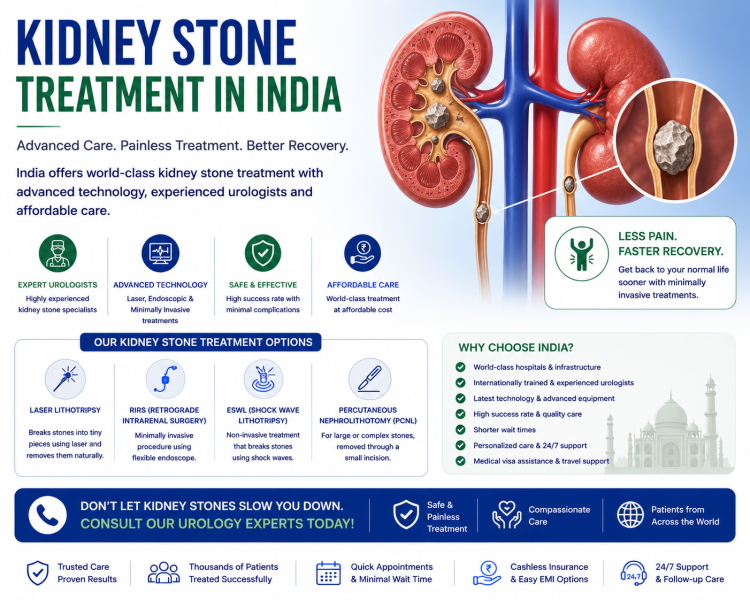
Kidney stones are hard mineral and salt deposits that form inside the kidneys and can cause severe pain, urinary blockage, infections, and kidney damage if left untreated. While small stones may pass naturally, larger stones often require advanced medical or surgical treatment. India has become one of the leading destinations for affordable and advanced kidney stone treatment, offering world-class urology care, experienced surgeons, and the latest minimally invasive technologies for international patients.
Thousands of patients from Africa, the Middle East, and other regions travel to India every year for kidney stone treatment because of its internationally accredited hospitals, advanced diagnostic facilities, experienced urologists, shorter waiting times, and significantly lower treatment costs.
Recent advancements in kidney stone treatment have transformed patient care. Leading hospitals now use Laser Lithotripsy, Flexible Ureteroscopy (RIRS), Mini-PCNL, Ultra Mini-PCNL, Micro-PCNL, Shock Wave Lithotripsy (ESWL), robotic-assisted urological surgery, AI-assisted stone analysis, digital ureteroscopy, and high-definition endoscopic imaging. These innovations enable precise stone removal with minimal pain, smaller incisions, faster recovery, and excellent treatment outcomes.
Whether you have small kidney stones, recurrent stones, staghorn calculi, ureteric stones, bladder stones, or complex renal stones, India offers comprehensive and personalized treatment solutions using the latest minimally invasive techniques.
Kidney stones may cause:
Immediate medical attention is recommended if severe pain or fever develops.
Factors that increase the risk of kidney stones include:
Maintaining good hydration and a healthy diet can help reduce the risk of recurrence.
Before treatment, specialists evaluate the size, location, and composition of the kidney stone.
Diagnostic tests may include:
International patients can share their reports online for an initial treatment opinion before travelling.
Treatment is selected according to the size, location, and type of kidney stone.
Small stones may be treated with medications, hydration therapy, and pain management to encourage natural stone passage.
A non-invasive procedure that uses shock waves to break kidney stones into smaller fragments that pass naturally through urine.
One of the most advanced laser procedures where a flexible ureteroscope is passed through the urinary tract to remove kidney stones without any external incision.
Holmium Laser or Thulium Fiber Laser technology precisely breaks stones into fine dust, allowing easier removal and quicker recovery.
Recommended for large or complex kidney stones. The stone is removed through a very small incision in the back.
Advanced minimally invasive techniques using smaller instruments, resulting in less pain, reduced bleeding, and faster recovery.
Used for stones lodged in the ureter. A thin endoscope is inserted through the urinary tract to remove or fragment the stone.
Selected complex kidney stone cases may benefit from robotic-assisted surgery, offering enhanced precision and excellent surgical outcomes.
Recovery after kidney stone treatment is usually quick, particularly with minimally invasive procedures.
Post-treatment care includes:
Most patients return to their normal activities within a few days after minimally invasive treatment.
Modern kidney stone treatment allows most patients to recover quickly with minimal discomfort and excellent long-term outcomes. Advanced laser technology and minimally invasive procedures significantly reduce hospital stay, postoperative pain, and recovery time.
Patients are encouraged to maintain adequate hydration, follow dietary recommendations, and undergo regular follow-up evaluations to reduce the risk of future stone formation. Personalized metabolic assessment and stone analysis help identify the underlying cause and guide long-term prevention strategies.
Kidney stones may cause:
Immediate medical attention is recommended if severe pain or fever develops.
Factors that increase the risk of kidney stones include:
Maintaining good hydration and a healthy diet can help reduce the risk of recurrence.
Before treatment, specialists evaluate the size, location, and composition of the kidney stone.
Diagnostic tests may include:
International patients can share their reports online for an initial treatment opinion before travelling.
Treatment is selected according to the size, location, and type of kidney stone.
Small stones may be treated with medications, hydration therapy, and pain management to encourage natural stone passage.
A non-invasive procedure that uses shock waves to break kidney stones into smaller fragments that pass naturally through urine.
One of the most advanced laser procedures where a flexible ureteroscope is passed through the urinary tract to remove kidney stones without any external incision.
Holmium Laser or Thulium Fiber Laser technology precisely breaks stones into fine dust, allowing easier removal and quicker recovery.
Recommended for large or complex kidney stones. The stone is removed through a very small incision in the back.
Advanced minimally invasive techniques using smaller instruments, resulting in less pain, reduced bleeding, and faster recovery.
Used for stones lodged in the ureter. A thin endoscope is inserted through the urinary tract to remove or fragment the stone.
Selected complex kidney stone cases may benefit from robotic-assisted surgery, offering enhanced precision and excellent surgical outcomes
Recovery after kidney stone treatment is usually quick, particularly with minimally invasive procedures.
Post-treatment care includes:
Most patients return to their normal activities within a few days after minimally invasive treatment.
Modern kidney stone treatment allows most patients to recover quickly with minimal discomfort and excellent long-term outcomes. Advanced laser technology and minimally invasive procedures significantly reduce hospital stay, postoperative pain, and recovery time.
Patients are encouraged to maintain adequate hydration, follow dietary recommendations, and undergo regular follow-up evaluations to reduce the risk of future stone formation. Personalized metabolic assessment and stone analysis help identify the underlying cause and guide long-term prevention strategies.
Yes. Kidney stone treatment in India is significantly more affordable than in many countries while maintaining international standards of urological care.
Recent advancements include Flexible Ureteroscopy (RIRS), Thulium Fiber Laser, Holmium Laser Lithotripsy, Mini-PCNL, Ultra Mini-PCNL, and digital endoscopic stone removal.
Laser stone removal is minimally invasive and generally causes less pain, smaller wounds, and quicker recovery than traditional surgery.
Yes. Most large stones can now be treated using PCNL, Mini-PCNL, or RIRS without the need for open surgery.
Yes. India offers experienced urologists, advanced laser technology, internationally accredited hospitals, and affordable treatment options.
Yes. International patients receive assistance with medical visas, accommodation, airport transfers, interpreters, and post-treatment follow-up.
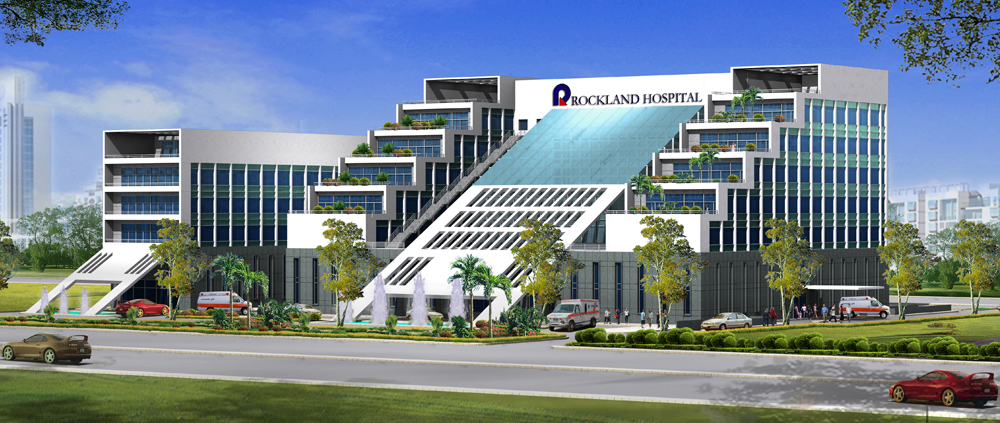
Rockland Qutab, South Delhi, B 33- 34,Qutub Institutional Area, Katwaria Sarai – New Delhi
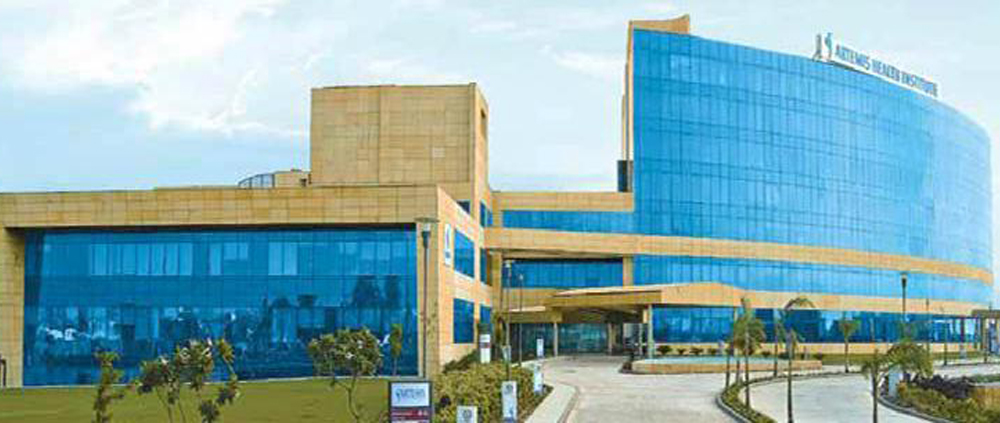
Sector 51 Gurgaon, Haryana 122 017, INDIA
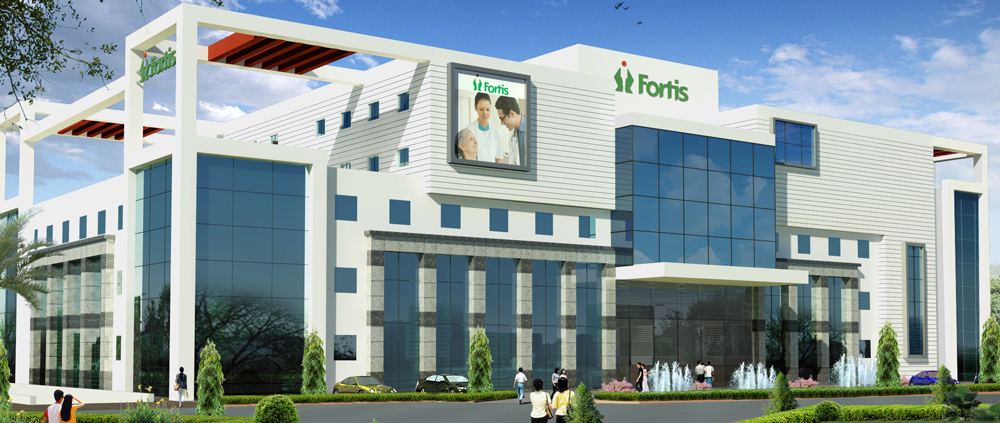
Sector – 44, Opposite HUDA City Centre, Gurgaon, Haryana – 122002, India
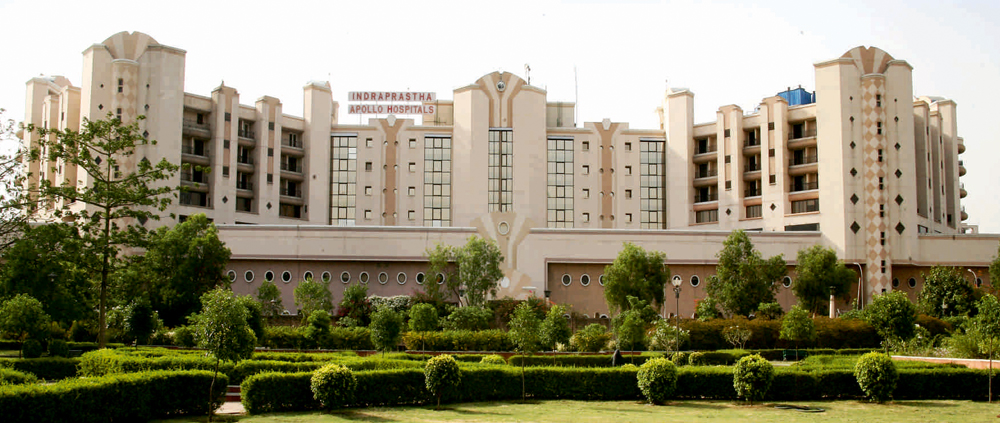
Sarita Vihar, Mathura Road, New Delhi – 110076 , INDIA