Duration of Treatment
usually takes 4 to 6 hours depending on size.
Days of Stay
usually 5 to 10 days at the hospital and 2 months outside the hospital.
Anesthesia
General anesthesia.
Gastric Bypass surgery
Gastric Bypass surgery is a well-established bariatric procedure designed to support long-term weight loss in individuals with severe obesity. Commonly known as Roux-en-Y Gastric Bypass, this surgery changes how the stomach and small intestine process food, helping patients eat less and absorb fewer calories. It is widely regarded as the gold standard in weight loss surgery due to its consistent and proven outcomes.
Gastric Bypass surgery is a well-established bariatric procedure designed to support long-term weight loss in individuals with severe obesity. Commonly known as Roux-en-Y Gastric Bypass, this surgery changes how the stomach and small intestine process food, helping patients eat less and absorb fewer calories. It is widely regarded as the gold standard in weight loss surgery due to its consistent and proven outcomes.
What Is Gastric Bypass Surgery?
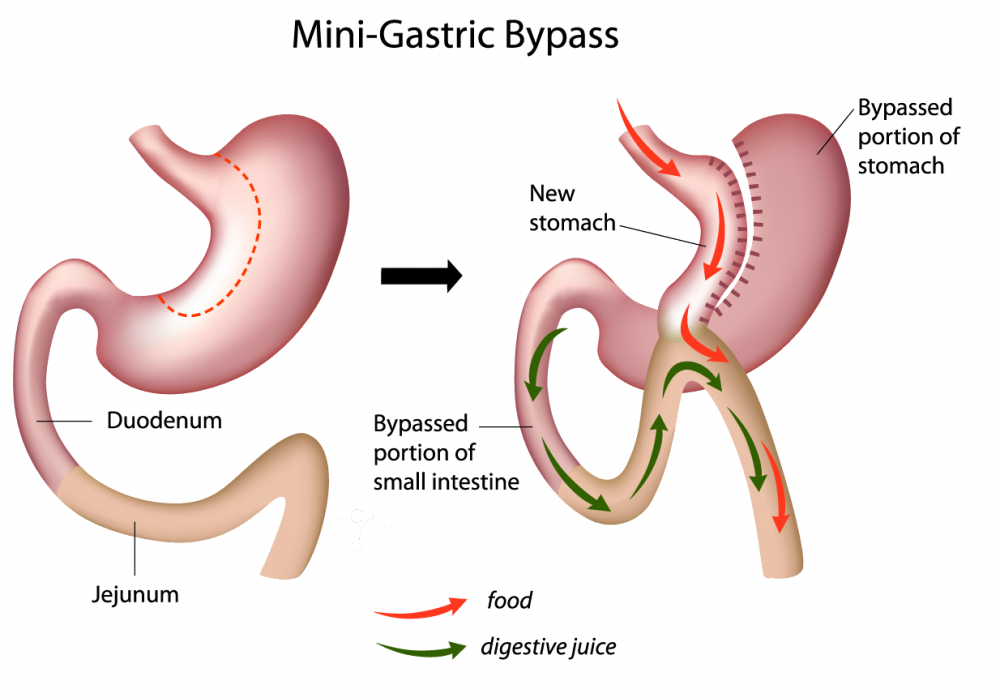
Gastric Bypass surgery involves creating a small stomach pouch and connecting it directly to a lower part of the small intestine. This reduces the stomach’s capacity and limits calorie absorption, allowing patients to feel full after eating smaller portions while supporting sustainable weight loss.
How Gastric Bypass Surgery Works
The procedure works through two mechanisms:
- Restriction – A smaller stomach pouch limits food intake.
- Malabsorption – Bypassing part of the intestine reduces calorie and nutrient absorption.
Who Is an Ideal Candidate for Gastric Bypass?
- Body Mass Index (BMI) of 40 or higher
- BMI of 35 or higher with obesity-related conditions such as diabetes or hypertension
- Failed attempts at weight loss through diet and exercise
- Commitment to long-term lifestyle changes
Gastric Bypass Surgery Procedure
- Performed under general anesthesia
- Minimally invasive laparoscopic technique
- Surgery duration: 2 to 4 hours
- Average hospital stay: 2 to 3 days
Benefits of Gastric Bypass Surgery
- Significant and rapid weight loss
- Long-term weight management
- Improvement or remission of type 2 diabetes
- Reduced risk of heart disease
- Better mobility and quality of life
Risks and Possible Complications
- Infection or bleeding
- Nutritional deficiencies
- Dumping syndrome
- Bowel obstruction
- Need for lifelong vitamin supplementation
Recovery After Gastric Bypass Surgery
- Initial recovery time: 2 to 4 weeks
- Gradual dietary progression from liquids to solids
- Return to normal activities within 4 to 6 weeks
- Regular follow-up appointments required
Life After Gastric Bypass Surgery
Long-term success depends on healthy eating habits, portion control, physical activity, and routine medical follow-ups. Patients must follow a high-protein diet and avoid high-sugar foods.
Long-Term Results
Most patients lose 60–80% of excess body weight within 12–18 months. Gastric bypass surgery also offers lasting improvement in obesity-related health conditions.
Conclusion
Gastric Bypass surgery is a powerful and effective solution for individuals struggling with severe obesity. When combined with lifestyle changes and medical follow-up, it delivers long-term weight loss and improved overall health.
Symptoms
No data available
Risk Factors
No data available
Preparation Content
No data available
Procedure Content
No data available
Post Procedure Content
No data available
Success Rate Content
No data available
Faq's From Doctor
No data available
Top Hospitals
Rockland Qutab, South Delhi, B 33- 34,Qutub Institutional Area, Katwaria Sarai – New Delhi
Sector 51 Gurgaon, Haryana 122 017, INDIA
Sector – 44, Opposite HUDA City Centre, Gurgaon, Haryana – 122002, India
Sarita Vihar, Mathura Road, New Delhi – 110076 , INDIA