
2 to 8 hours depending on the type of epilepsy surgery, complexity of the condition, and technology used.
5 to 12 days in the hospital and 2 to 4 weeks in India for evaluation, surgery, recovery, and follow-up assessments.
General anesthesia is commonly used for epilepsy surgery procedures. Specialized monitoring techniques may be used during selected brain mapping procedures.
8,000 USD to 35,000 USD
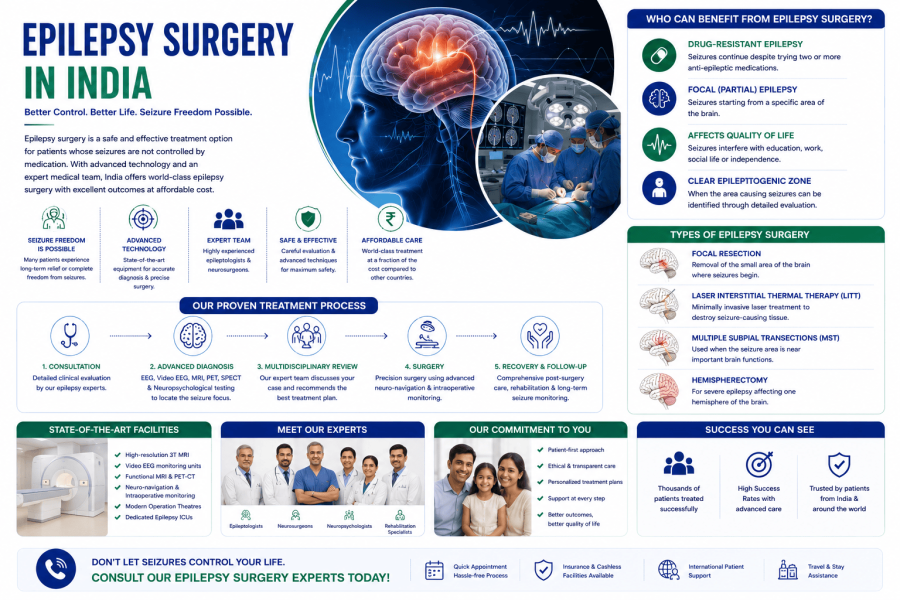
Epilepsy is a neurological disorder characterized by recurrent seizures caused by abnormal electrical activity in the brain. While many patients achieve seizure control with medication, some continue to experience frequent seizures despite taking anti-epileptic drugs. For these patients, epilepsy surgery can offer a life-changing treatment option. India has become one of the leading destinations for advanced and affordable epilepsy surgery, offering world-class neuroscience care, experienced epilepsy specialists, and cutting-edge surgical technologies for international patients.
Thousands of patients travel to India every year seeking affordable epilepsy treatment, faster access to neurological specialists, modern hospitals, and personalized treatment plans. Leading neuroscience centers in India provide advanced treatment for drug-resistant epilepsy, temporal lobe epilepsy, pediatric epilepsy, focal epilepsy, and complex seizure disorders.
Recent advancements in epilepsy treatment have significantly improved patient outcomes. Leading hospitals in India now use AI-assisted seizure mapping, robotic-assisted neurosurgery, high-resolution epilepsy MRI, stereoelectroencephalography (SEEG), functional brain mapping, laser interstitial thermal therapy (LITT), responsive neurostimulation (RNS), vagus nerve stimulation (VNS), and Deep Brain Stimulation (DBS). These innovations help doctors precisely identify seizure-causing areas while preserving critical brain functions and improving long-term seizure control.
One of the biggest advantages of choosing India for epilepsy surgery is affordability. Compared to many international destinations, epilepsy treatment costs in India are significantly lower while maintaining international standards of quality, safety, and patient care. International patients also receive complete medical tourism support including online consultations, treatment planning, medical visa assistance, airport transfers, accommodation support, interpreter services, and dedicated patient coordinators.
Whether you are seeking treatment for drug-resistant epilepsy, temporal lobe epilepsy, pediatric epilepsy, or complex seizure disorders, India offers advanced treatment options, expert care, and renewed hope for a seizure-free life.
Common symptoms of epilepsy may include:
Patients who continue to experience seizures despite medication may benefit from advanced epilepsy evaluation.
Several factors may increase the risk of epilepsy, including:
Early diagnosis and specialized treatment can significantly improve outcomes.
Before epilepsy surgery, specialists perform detailed evaluations to identify the exact source of seizures.
Diagnostic tests may include:
International patients are encouraged to share their reports before travel for personalized treatment planning.
Epilepsy surgery in India is customized according to the seizure type, brain region involved, and patient condition.
The seizure-causing area of the brain is surgically removed while preserving important neurological functions.
One of the most effective procedures for temporal lobe epilepsy, offering excellent long-term seizure control.
A minimally invasive procedure that uses laser energy to destroy seizure-causing brain tissue with minimal damage to surrounding areas.
Advanced brain mapping technology used to precisely identify seizure origins before surgery.
A small device is implanted to deliver electrical signals that help reduce seizure frequency and severity.
A next-generation brain stimulation system that detects abnormal electrical activity and automatically delivers corrective stimulation.
Advanced neurostimulation therapy used in selected patients with difficult-to-control epilepsy.
Specialized procedures designed for children with severe epilepsy who do not respond to medications.
Recovery after epilepsy surgery depends on the type of procedure performed.
Post-treatment care may include:
Many patients experience significant reductions in seizure frequency and improved quality of life after treatment.
India has achieved excellent outcomes in epilepsy surgery due to advanced neuroscience technology, experienced epilepsy specialists, and personalized treatment approaches.
Modern innovations such as SEEG-guided surgery, laser ablation therapy, robotic-assisted neurosurgery, AI-assisted seizure mapping, VNS, DBS, and responsive neurostimulation systems are helping improve seizure control and long-term patient outcomes.
For carefully selected patients, epilepsy surgery can significantly reduce or even eliminate seizures, allowing greater independence and improved quality of life.
Common symptoms of epilepsy may include:
Patients who continue to experience seizures despite medication may benefit from advanced epilepsy evaluation.
Several factors may increase the risk of epilepsy, including:
Early diagnosis and specialized treatment can significantly improve outcomes.
Before epilepsy surgery, specialists perform detailed evaluations to identify the exact source of seizures.
Diagnostic tests may include:
International patients are encouraged to share their reports before travel for personalized treatment planning.
Epilepsy surgery in India is customized according to the seizure type, brain region involved, and patient condition.
The seizure-causing area of the brain is surgically removed while preserving important neurological functions.
One of the most effective procedures for temporal lobe epilepsy, offering excellent long-term seizure control.
A minimally invasive procedure that uses laser energy to destroy seizure-causing brain tissue with minimal damage to surrounding areas.
Advanced brain mapping technology used to precisely identify seizure origins before surgery.
A small device is implanted to deliver electrical signals that help reduce seizure frequency and severity.
A next-generation brain stimulation system that detects abnormal electrical activity and automatically delivers corrective stimulation.
Advanced neurostimulation therapy used in selected patients with difficult-to-control epilepsy.
Specialized procedures designed for children with severe epilepsy who do not respond to medications.
Recovery after epilepsy surgery depends on the type of procedure performed.
Post-treatment care may include:
Many patients experience significant reductions in seizure frequency and improved quality of life after treatment.
India has achieved excellent outcomes in epilepsy surgery due to advanced neuroscience technology, experienced epilepsy specialists, and personalized treatment approaches.
Modern innovations such as SEEG-guided surgery, laser ablation therapy, robotic-assisted neurosurgery, AI-assisted seizure mapping, VNS, DBS, and responsive neurostimulation systems are helping improve seizure control and long-term patient outcomes.
For carefully selected patients, epilepsy surgery can significantly reduce or even eliminate seizures, allowing greater independence and improved quality of life.
Yes. Epilepsy surgery in India is significantly more affordable than in many countries while maintaining international standards of care and technology.
Recent advancements include SEEG brain mapping, laser interstitial thermal therapy (LITT), responsive neurostimulation (RNS), vagus nerve stimulation (VNS), Deep Brain Stimulation (DBS), robotic-assisted neurosurgery, and AI-assisted seizure mapping.
Patients with drug-resistant epilepsy who continue to experience seizures despite appropriate medication may be candidates for epilepsy surgery.
Many patients experience significant seizure reduction, and some become completely seizure-free depending on the type and location of epilepsy.
Yes. India is recognized globally for advanced neuroscience care, experienced epilepsy specialists, modern surgical technology, and affordable treatment options.
Yes. International patients receive complete support including treatment planning, medical visa assistance, accommodation arrangements, interpreter services, and post-treatment follow-up
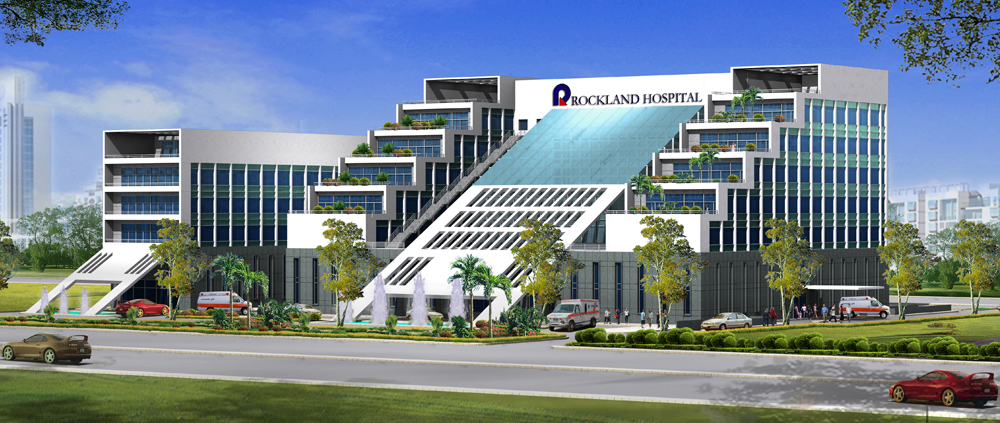
Rockland Qutab, South Delhi, B 33- 34,Qutub Institutional Area, Katwaria Sarai – New Delhi
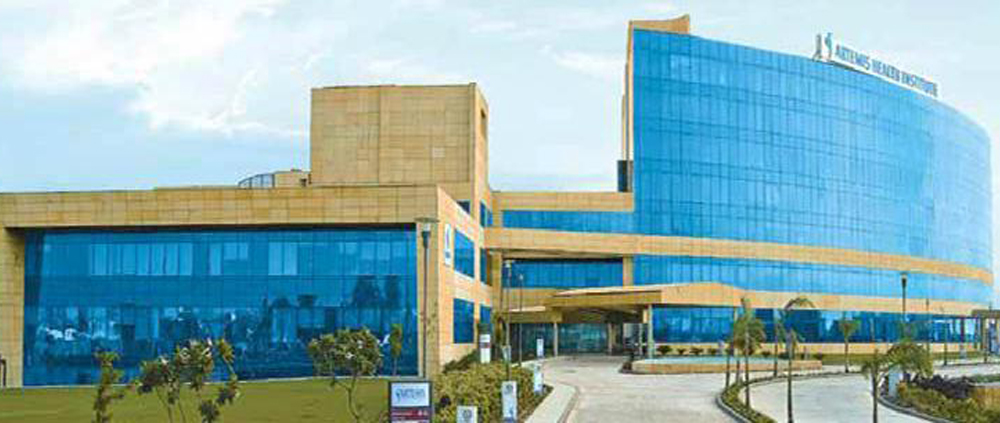
Sector 51 Gurgaon, Haryana 122 017, INDIA
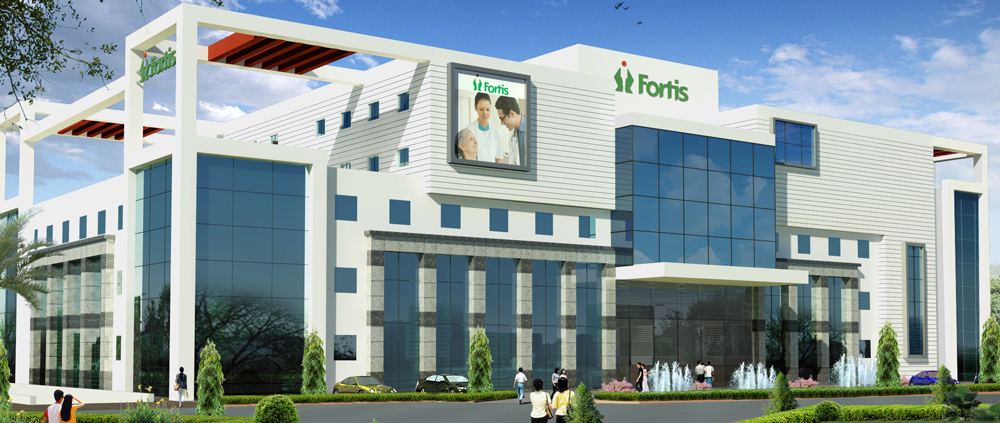
Sector – 44, Opposite HUDA City Centre, Gurgaon, Haryana – 122002, India
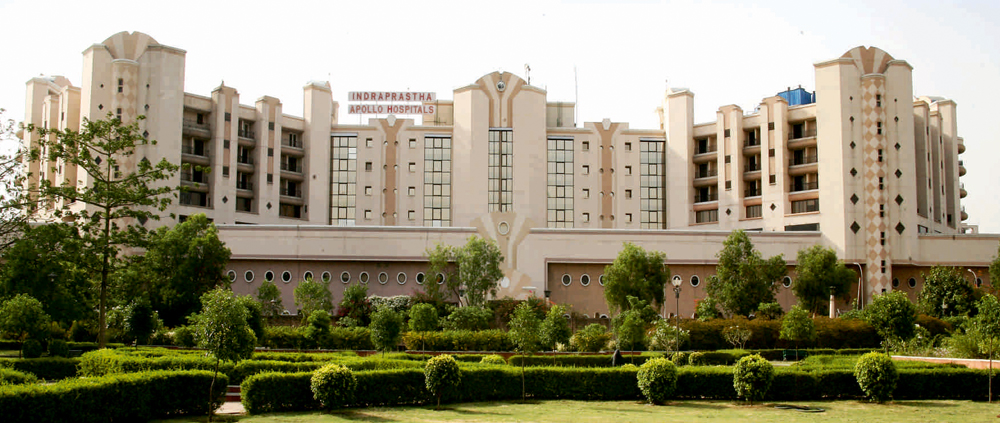
Sarita Vihar, Mathura Road, New Delhi – 110076 , INDIA