
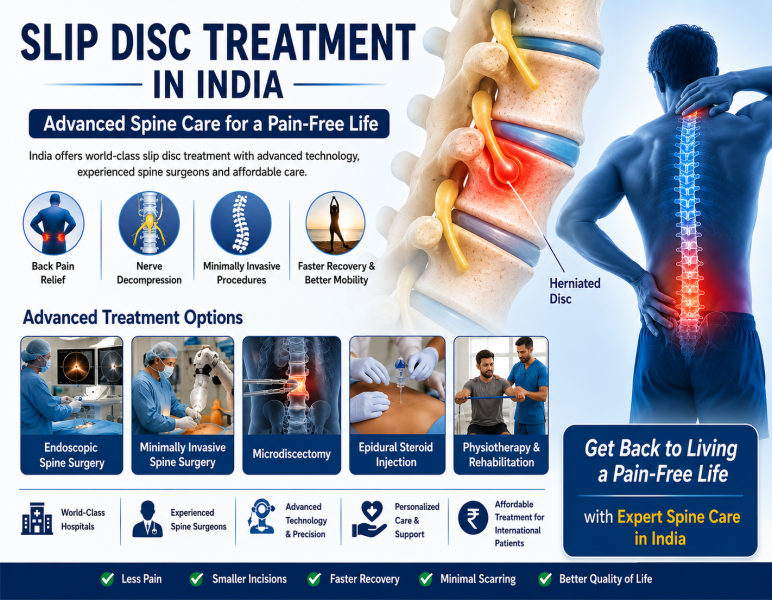
30 minutes to 3 hours depending on the treatment method, severity of the disc herniation, and complexity of the procedure.
1 to 5 days in the hospital and 1 to 3 weeks in India for recovery, rehabilitation, and follow-up evaluation.
Local anesthesia, spinal anesthesia, or general anesthesia may be used depending on the treatment procedure performed.
2,500 USD to 12,000 USD
A slip disc, also known as a herniated disc, bulging disc, or prolapsed disc, occurs when the soft inner portion of a spinal disc pushes through its outer layer and compresses nearby nerves. This can cause severe back pain, neck pain, sciatica, numbness, weakness, and difficulty performing everyday activities. With advancements in spine care, most slip disc cases can now be treated successfully using non-surgical therapies or minimally invasive procedures. India has become one of the leading destinations for advanced and affordable slip disc treatment, offering world-class spine care, experienced spine specialists, and modern treatment technologies for international patients.
Thousands of patients travel to India every year seeking affordable slip disc treatment, faster access to spine specialists, modern hospitals, and personalized treatment plans. Leading spine centers in India provide advanced treatment for cervical disc herniation, lumbar disc herniation, sciatica, degenerative disc disease, recurrent slipped discs, and nerve compression disorders.
Recent advancements in slip disc treatment have significantly improved recovery and patient outcomes. Leading hospitals in India now use AI-assisted diagnostics, high-resolution MRI imaging, robotic-assisted spine surgery, endoscopic spine surgery, minimally invasive spine surgery (MISS), laser-assisted procedures, 3D navigation systems, regenerative therapies, and advanced rehabilitation programs. These innovations help reduce pain, preserve healthy tissues, shorten recovery time, and improve long-term spinal health.
One of the biggest advantages of choosing India for slip disc treatment is affordability. Compared to many international destinations, treatment costs in India are significantly lower while maintaining international standards of quality, safety, and patient care. International patients also receive complete medical tourism support including online consultations, medical visa assistance, airport transfers, accommodation support, interpreter services, and dedicated patient coordinators.
Whether you are seeking treatment for a slipped disc in the neck, lower back, sciatica, nerve compression, or chronic spinal pain, India offers advanced treatment options, expert care, and a faster path to recovery.
Common symptoms of a slipped disc may include:
Early diagnosis can prevent permanent nerve damage and improve treatment outcomes.
Several factors may increase the risk of developing a slipped disc, including:
Maintaining proper posture and spinal health can help reduce the risk of disc problems.
Before treatment, specialists perform detailed evaluations to determine the severity and location of the disc herniation.
Diagnostic tests may include:
International patients are encouraged to share medical reports before travel for personalized treatment planning.
Slip disc treatment in India is customized according to the severity of symptoms and the patient's overall condition.
Many patients improve with medications, physiotherapy, lifestyle modifications, and pain management programs.
Advanced image-guided injections help reduce inflammation and relieve nerve compression symptoms.
Specialized exercise programs improve flexibility, strengthen spinal muscles, and support recovery.
A minimally invasive procedure performed through tiny incisions using high-definition cameras and specialized instruments.
One of the most effective surgical treatments for slipped discs, removing the portion of the disc compressing the nerve.
Advanced small-incision techniques help reduce tissue damage, blood loss, and recovery time.
Modern robotic systems improve surgical precision and optimize patient outcomes.
Selected patients may benefit from motion-preserving disc replacement technology instead of spinal fusion.
Recovery after slip disc treatment depends on the type of treatment performed.
Post-treatment care may include:
Most patients experience significant pain relief and improved mobility following successful treatment.
India has achieved excellent outcomes in slip disc treatment due to advanced spine technology, experienced specialists, and personalized treatment approaches.
Modern innovations such as robotic-assisted surgery, endoscopic spine procedures, AI-assisted diagnostics, 3D navigation systems, regenerative therapies, and minimally invasive techniques are helping improve recovery rates, reduce complications, and enhance long-term spinal health.
Many patients are able to return to work, travel, sports, and normal daily activities after treatment.
Common symptoms of a slipped disc may include:
Early diagnosis can prevent permanent nerve damage and improve treatment outcomes.
Several factors may increase the risk of developing a slipped disc, including:
Maintaining proper posture and spinal health can help reduce the risk of disc problems.
Before treatment, specialists perform detailed evaluations to determine the severity and location of the disc herniation.
Diagnostic tests may include:
International patients are encouraged to share medical reports before travel for personalized treatment planning.
Slip disc treatment in India is customized according to the severity of symptoms and the patient's overall condition.
Many patients improve with medications, physiotherapy, lifestyle modifications, and pain management programs.
Advanced image-guided injections help reduce inflammation and relieve nerve compression symptoms.
Specialized exercise programs improve flexibility, strengthen spinal muscles, and support recovery.
A minimally invasive procedure performed through tiny incisions using high-definition cameras and specialized instruments.
One of the most effective surgical treatments for slipped discs, removing the portion of the disc compressing the nerve.
Advanced small-incision techniques help reduce tissue damage, blood loss, and recovery time.
Modern robotic systems improve surgical precision and optimize patient outcomes.
Selected patients may benefit from motion-preserving disc replacement technology instead of spinal fusion.
Recovery after slip disc treatment depends on the type of treatment performed.
Post-treatment care may include:
Most patients experience significant pain relief and improved mobility following successful treatment.
India has achieved excellent outcomes in slip disc treatment due to advanced spine technology, experienced specialists, and personalized treatment approaches.
Modern innovations such as robotic-assisted surgery, endoscopic spine procedures, AI-assisted diagnostics, 3D navigation systems, regenerative therapies, and minimally invasive techniques are helping improve recovery rates, reduce complications, and enhance long-term spinal health.
Many patients are able to return to work, travel, sports, and normal daily activities after treatment.
Yes. Slip disc treatment in India is significantly more affordable than in many countries while maintaining international standards of care and technology.
Recent advancements include robotic-assisted spine surgery, endoscopic spine surgery, AI-assisted diagnostics, regenerative therapies, 3D navigation systems, minimally invasive procedures, and artificial disc replacement.
Yes. Many patients improve with medication, physiotherapy, rehabilitation, and minimally invasive treatments. Surgery is usually recommended when conservative treatments fail.
Microdiscectomy and endoscopic spine surgery are among the most commonly performed and effective procedures for symptomatic slipped discs.
Yes. India is recognized globally for advanced spine care, experienced surgeons, modern hospitals, and affordable treatment options.
Yes. International patients receive complete support including treatment planning, medical visa assistance, accommodation arrangements, interpreter services, and post-treatment follow-up.
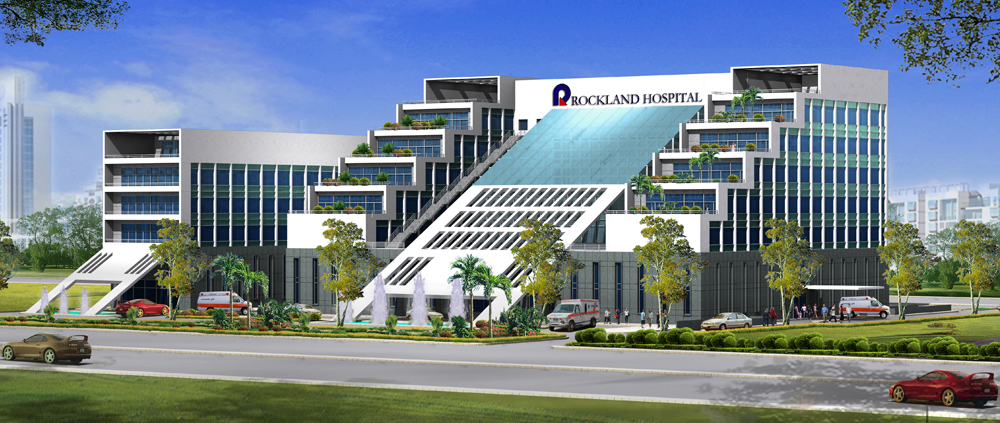
Rockland Qutab, South Delhi, B 33- 34,Qutub Institutional Area, Katwaria Sarai – New Delhi
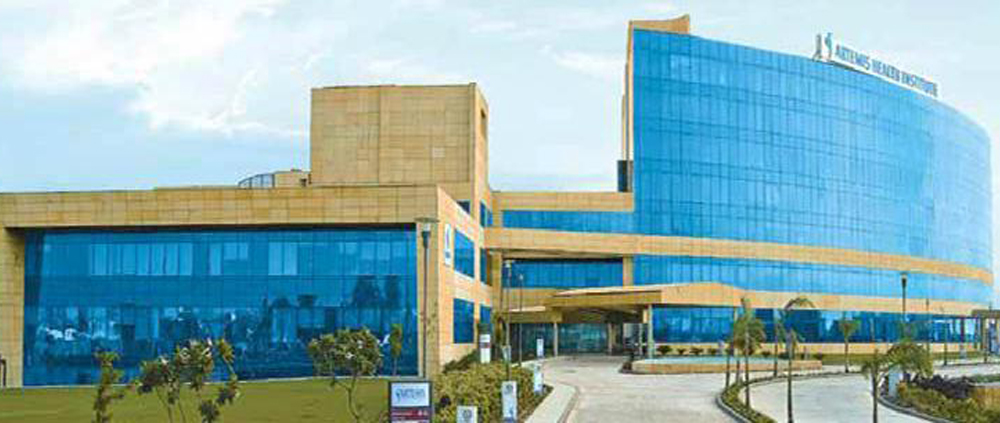
Sector 51 Gurgaon, Haryana 122 017, INDIA
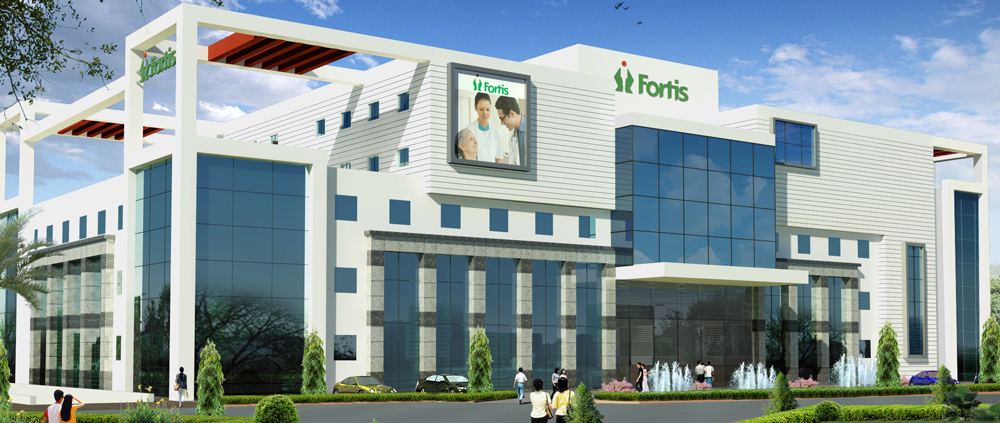
Sector – 44, Opposite HUDA City Centre, Gurgaon, Haryana – 122002, India
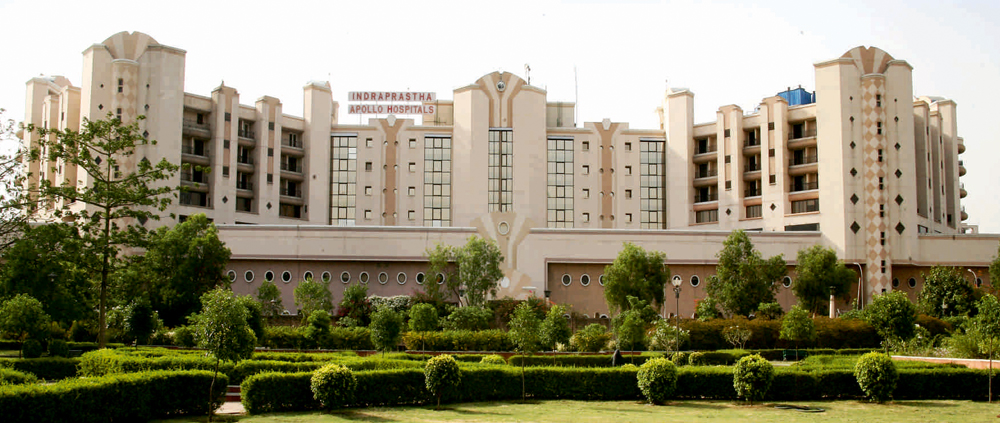
Sarita Vihar, Mathura Road, New Delhi – 110076 , INDIA