
30 minutes to 4 hours depending on the treatment procedure. Advanced interventions such as TIPS may require additional procedure time.
Usually 2 to 10 days in the hospital and 2 to 6 weeks in India depending on disease severity, treatment plan, and follow-up requirements.
Local anesthesia, conscious sedation, or general anesthesia may be used depending on the procedure performed
2,500 to 30,000 USD*
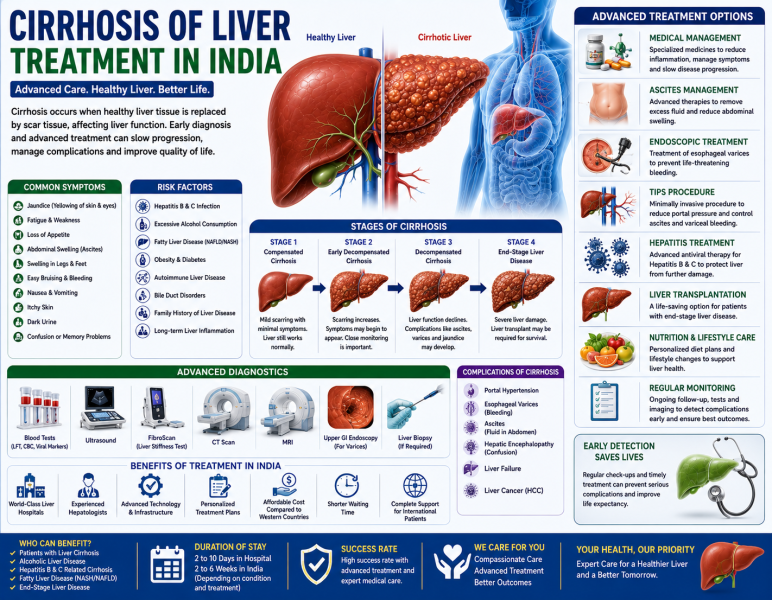
Cirrhosis of the liver is a serious chronic liver disease that occurs when healthy liver tissue is gradually replaced by scar tissue, affecting the liver's ability to function properly. If left untreated, cirrhosis can lead to liver failure, internal bleeding, liver cancer, and other life-threatening complications. With early diagnosis and advanced treatment, disease progression can often be slowed, complications can be managed, and quality of life can be significantly improved. India has become one of the leading destinations for advanced and affordable cirrhosis treatment, offering world-class hepatology care, experienced liver specialists, and modern treatment technologies for international patients.
Thousands of patients travel to India every year seeking affordable liver disease treatment, faster access to specialists, modern hospitals, and personalized treatment plans. Leading liver centers in India provide comprehensive treatment for alcoholic liver disease, hepatitis-related cirrhosis, fatty liver disease (NASH/NAFLD), autoimmune liver disease, biliary cirrhosis, and end-stage liver disease.
Recent advancements in cirrhosis treatment have significantly improved patient outcomes. Leading hospitals now use AI-assisted liver diagnostics, FibroScan liver assessment, molecular liver disease profiling, advanced endoscopy techniques, TIPS (Transjugular Intrahepatic Portosystemic Shunt), minimally invasive liver interventions, precision hepatology, personalized medication protocols, advanced liver transplantation programs, and regenerative liver medicine research. These innovations help improve diagnosis, manage complications, delay disease progression, and enhance long-term survival.
One of the biggest advantages of choosing India for cirrhosis treatment is affordability. Compared to many international destinations, treatment costs in India are significantly lower while maintaining international standards of quality, safety, and patient care. International patients also receive complete medical tourism support including online consultations, treatment planning, medical visa assistance, airport transfers, accommodation support, interpreter services, and dedicated patient coordinators.
Whether you are seeking treatment for liver cirrhosis, fatty liver disease, hepatitis-related liver damage, portal hypertension, or end-stage liver disease, India offers advanced treatment options, expert care, and renewed hope for better liver health.
Cirrhosis symptoms may vary depending on the stage of liver damage.
Common symptoms include:
Early diagnosis can help prevent serious complications.
Several factors increase the risk of developing liver cirrhosis, including:
Regular liver health monitoring is important for high-risk individuals.
Before treatment, specialists perform a detailed evaluation to assess liver function and disease severity.
Diagnostic tests may include:
International patients are encouraged to share medical reports before travel for personalized treatment planning.
Cirrhosis treatment in India is personalized according to the cause, stage of disease, and overall patient health.
Specialized medications help manage symptoms, reduce complications, and slow disease progression.
Customized dietary plans and lifestyle modifications play a crucial role in improving liver health.
Advanced treatments help reduce pressure in liver blood vessels and prevent complications.
Advanced endoscopy techniques are used to treat esophageal varices and prevent internal bleeding.
A minimally invasive procedure that improves blood flow through the liver and helps manage portal hypertension and recurrent ascites.
Specialized treatments help control fluid accumulation in the abdomen.
Advanced antiviral therapies help control Hepatitis B and Hepatitis C infections.
AI-assisted diagnostics and personalized treatment planning help optimize patient outcomes.
For patients with end-stage liver disease, liver transplantation may provide a long-term solution and significantly improve survival.
Recovery and long-term management may include:
Many patients achieve improved quality of life with proper treatment and follow-up care.
India has achieved excellent outcomes in cirrhosis treatment due to advanced hepatology care, experienced liver specialists, and personalized treatment approaches.
Modern innovations such as FibroScan technology, AI-assisted diagnostics, TIPS procedures, precision hepatology, antiviral therapies, advanced endoscopy, and liver transplantation programs are helping improve survival rates and quality of life.
Early diagnosis and appropriate treatment significantly improve long-term outcomes.
Cirrhosis symptoms may vary depending on the stage of liver damage.
Common symptoms include:
Early diagnosis can help prevent serious complications.
Several factors increase the risk of developing liver cirrhosis, including:
Regular liver health monitoring is important for high-risk individuals.
Before treatment, specialists perform a detailed evaluation to assess liver function and disease severity.
Diagnostic tests may include:
International patients are encouraged to share medical reports before travel for personalized treatment planning.
Cirrhosis treatment in India is personalized according to the cause, stage of disease, and overall patient health.
Specialized medications help manage symptoms, reduce complications, and slow disease progression.
Customized dietary plans and lifestyle modifications play a crucial role in improving liver health.
Advanced treatments help reduce pressure in liver blood vessels and prevent complications.
Advanced endoscopy techniques are used to treat esophageal varices and prevent internal bleeding.
A minimally invasive procedure that improves blood flow through the liver and helps manage portal hypertension and recurrent ascites.
Specialized treatments help control fluid accumulation in the abdomen.
Advanced antiviral therapies help control Hepatitis B and Hepatitis C infections.
AI-assisted diagnostics and personalized treatment planning help optimize patient outcomes.
For patients with end-stage liver disease, liver transplantation may provide a long-term solution and significantly improve survival.
Recovery and long-term management may include:
Many patients achieve improved quality of life with proper treatment and follow-up care.
India has achieved excellent outcomes in cirrhosis treatment due to advanced hepatology care, experienced liver specialists, and personalized treatment approaches.
Modern innovations such as FibroScan technology, AI-assisted diagnostics, TIPS procedures, precision hepatology, antiviral therapies, advanced endoscopy, and liver transplantation programs are helping improve survival rates and quality of life.
Early diagnosis and appropriate treatment significantly improve long-term outcomes.
Yes. Cirrhosis treatment in India is significantly more affordable than in many countries while maintaining international standards of care.
Recent advancements include FibroScan assessment, AI-assisted liver diagnostics, TIPS procedures, precision hepatology, advanced antiviral therapies, regenerative liver medicine research, and personalized treatment planning.
Early-stage liver damage may improve if the underlying cause is treated. Advanced cirrhosis may require lifelong management or liver transplantation.
No. Liver transplantation is generally recommended only for patients with end-stage liver disease or severe complications.
Yes. India is recognized globally for advanced liver care, experienced hepatologists, modern hospitals, and affordable treatment options.
Yes. International patients receive complete support including treatment planning, medical visa assistance, accommodation arrangements, interpreter services, and post-treatment follow-up.
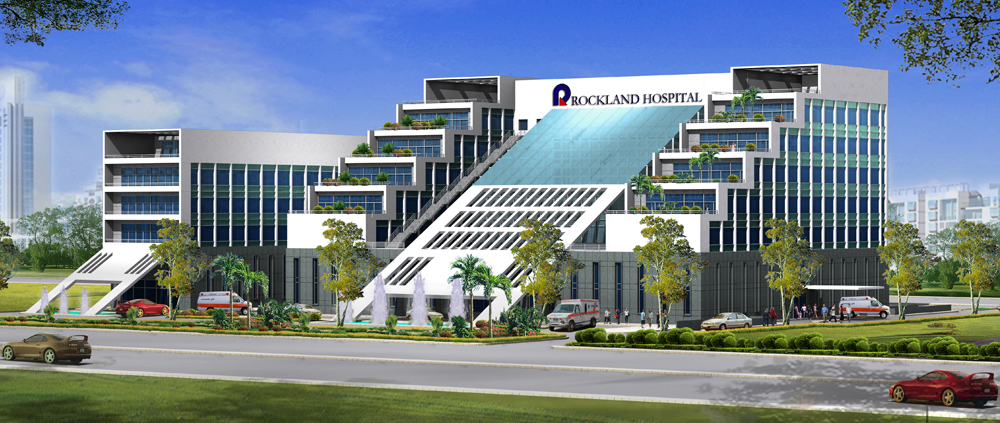
Rockland Qutab, South Delhi, B 33- 34,Qutub Institutional Area, Katwaria Sarai – New Delhi
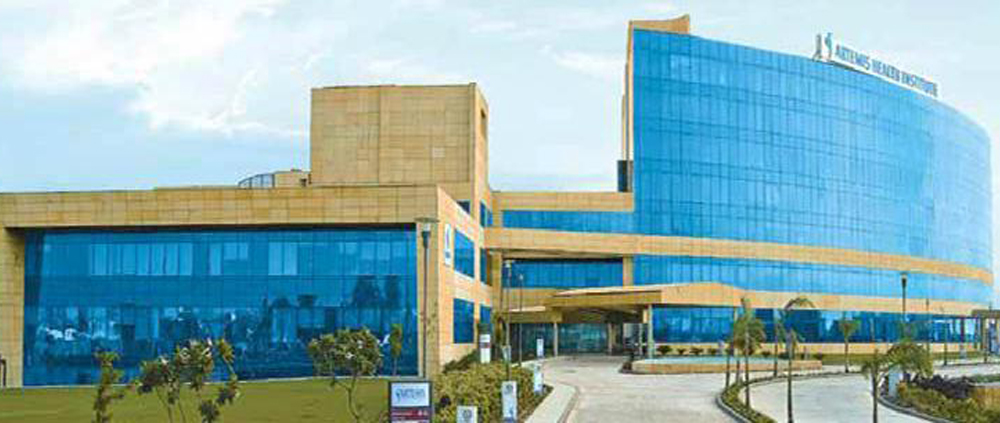
Sector 51 Gurgaon, Haryana 122 017, INDIA
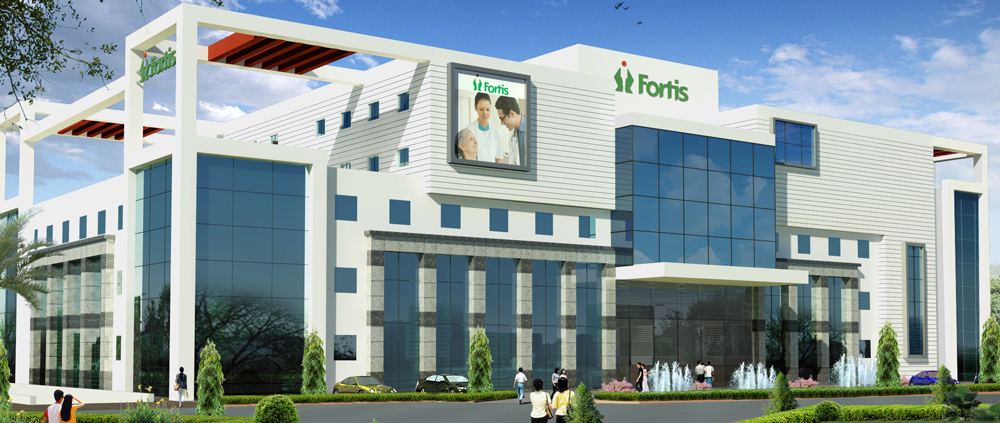
Sector – 44, Opposite HUDA City Centre, Gurgaon, Haryana – 122002, India
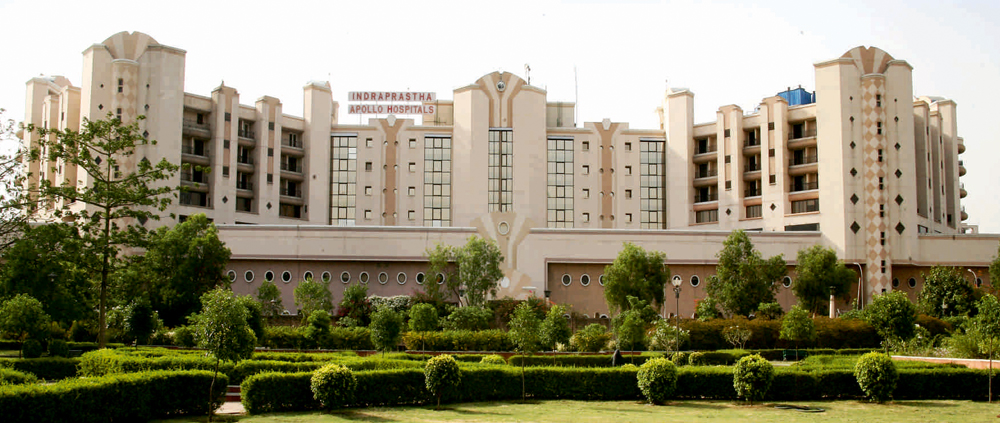
Sarita Vihar, Mathura Road, New Delhi – 110076 , INDIA