
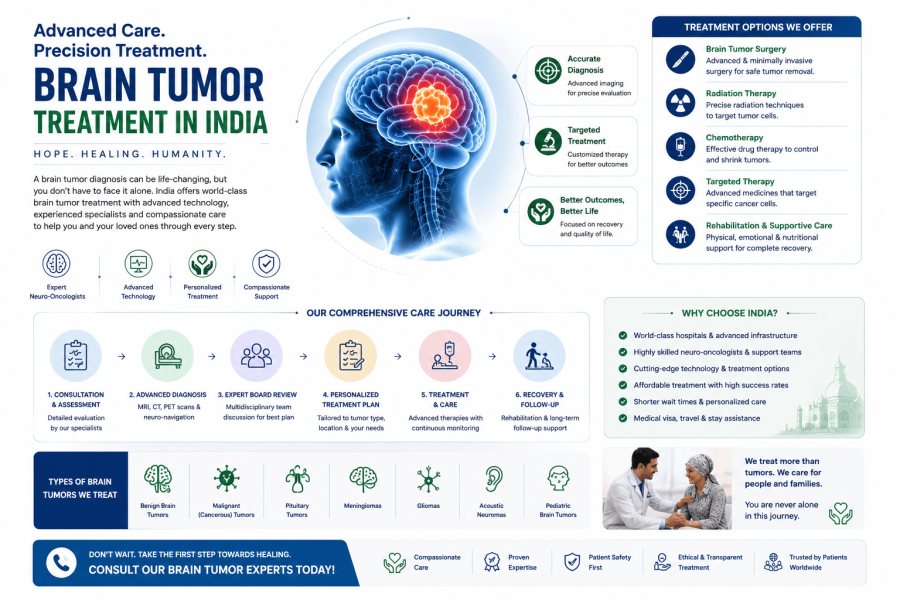
3 days to 8 weeks depending on the type of brain tumor, treatment approach (surgery, Gamma Knife, CyberKnife, chemotherapy, or radiation therapy), and overall patient condition.
5 to 14 days in the hospital and 2 to 12 weeks outside the hospital for recovery, rehabilitation, follow-up imaging, and additional therapies if required.
General anesthesia is commonly used for brain tumor surgery procedures. Some advanced procedures such as Awake Brain Surgery (Awake Craniotomy) may use specialized anesthesia techniques to monitor critical brain functions during surgery.
6,000 USD to 35,000 USD
A brain tumor can be a life-changing diagnosis, affecting vital functions such as movement, speech, vision, memory, and overall quality of life. Advances in medical science have significantly improved the diagnosis and treatment of brain tumors, offering patients better outcomes, safer procedures, and faster recovery than ever before. India has become one of the leading destinations for advanced and affordable brain tumor treatment, providing access to internationally trained neurosurgeons, cutting-edge technology, and comprehensive neuro-oncology care.
Every year, thousands of international patients choose India for brain tumor treatment because of its combination of medical expertise, modern infrastructure, shorter waiting times, and cost-effective treatment options. Leading neuroscience centers in India treat both benign and malignant brain tumors using highly advanced surgical and non-surgical techniques tailored to each patient's condition.
Recent advancements in brain tumor treatment have transformed patient care. Leading hospitals now use AI-assisted diagnostics, 3D neuronavigation systems, functional brain mapping, intraoperative MRI, awake brain surgery, Gamma Knife radiosurgery, CyberKnife treatment, stereotactic radiosurgery, molecular tumor profiling, targeted therapy, immunotherapy, and precision radiation therapy. These innovations help surgeons remove tumors more accurately while preserving healthy brain tissue and critical neurological functions.
One of the biggest advantages of choosing India for brain tumor treatment is affordability. Compared to many countries, treatment costs are significantly lower while maintaining international standards of quality, safety, and patient care. International patients also benefit from complete medical tourism support, including online consultations, treatment planning, medical visa assistance, airport transfers, accommodation support, interpreter services, and dedicated patient coordinators.
Whether you are seeking treatment for a glioma, meningioma, pituitary tumor, acoustic neuroma, metastatic brain cancer, or other complex brain tumors, India offers advanced treatment options, expert care, and renewed hope for recovery.
Brain tumors may cause a variety of symptoms depending on their size, location, and growth rate.
Common symptoms include:
Early diagnosis can significantly improve treatment outcomes.
Several factors may increase the risk of developing a brain tumor, including:
In many cases, the exact cause of brain tumors remains unknown.
Before treatment, doctors perform a comprehensive evaluation to determine the type, size, location, and stage of the tumor.
Diagnostic tests may include:
International patients are encouraged to share their reports before travel to allow specialists to develop a personalized treatment plan.
Brain tumor treatment in India is personalized according to the tumor type, location, size, and overall patient health.
Surgery remains one of the most effective treatments for many brain tumors. Advanced microsurgical techniques help remove tumors while preserving critical brain functions.
For tumors located near speech, movement, or memory centers, awake craniotomy allows surgeons to monitor brain function during surgery, improving safety and outcomes.
A highly precise, non-invasive treatment that delivers focused radiation to brain tumors without traditional surgery.
Robotic radiosurgery technology accurately targets tumors while minimizing damage to surrounding healthy tissue.
Advanced image-guided radiation treatment used for small and difficult-to-reach brain tumors.
Modern radiation techniques such as IMRT, IGRT, and VMAT provide highly targeted treatment while reducing side effects.
Chemotherapy may be used before or after surgery to destroy cancer cells and reduce the risk of recurrence.
Advanced targeted medications attack specific genetic mutations within tumor cells, improving treatment effectiveness.
Emerging immunotherapy treatments help the body's immune system recognize and fight certain brain cancers.
Leading hospitals now use molecular profiling and genomic testing to develop personalized treatment plans based on the biological characteristics of each tumor.
Recovery after brain tumor treatment varies depending on the type of tumor and treatment received.
Post-treatment care may include:
Comprehensive rehabilitation programs help patients regain independence and improve quality of life.
India has achieved excellent outcomes in brain tumor treatment due to advanced neurosurgical technology, experienced neuro-oncology teams, and personalized treatment approaches.
Modern innovations such as intraoperative MRI, neuronavigation systems, awake brain surgery, Gamma Knife, CyberKnife, molecular diagnostics, targeted therapy, and AI-assisted treatment planning are helping improve tumor control rates, neurological preservation, and overall survival outcomes.
Patients diagnosed at an early stage often achieve significantly better recovery and long-term results.
Brain tumors may cause a variety of symptoms depending on their size, location, and growth rate.
Common symptoms include:
Early diagnosis can significantly improve treatment outcomes.
Several factors may increase the risk of developing a brain tumor, including:
In many cases, the exact cause of brain tumors remains unknown.
Before treatment, doctors perform a comprehensive evaluation to determine the type, size, location, and stage of the tumor.
Diagnostic tests may include:
International patients are encouraged to share their reports before travel to allow specialists to develop a personalized treatment plan.
Brain tumor treatment in India is personalized according to the tumor type, location, size, and overall patient health.
Surgery remains one of the most effective treatments for many brain tumors. Advanced microsurgical techniques help remove tumors while preserving critical brain functions.
For tumors located near speech, movement, or memory centers, awake craniotomy allows surgeons to monitor brain function during surgery, improving safety and outcomes.
A highly precise, non-invasive treatment that delivers focused radiation to brain tumors without traditional surgery.
Robotic radiosurgery technology accurately targets tumors while minimizing damage to surrounding healthy tissue.
Advanced image-guided radiation treatment used for small and difficult-to-reach brain tumors.
Modern radiation techniques such as IMRT, IGRT, and VMAT provide highly targeted treatment while reducing side effects.
Chemotherapy may be used before or after surgery to destroy cancer cells and reduce the risk of recurrence.
Advanced targeted medications attack specific genetic mutations within tumor cells, improving treatment effectiveness.
Emerging immunotherapy treatments help the body's immune system recognize and fight certain brain cancers.
Leading hospitals now use molecular profiling and genomic testing to develop personalized treatment plans based on the biological characteristics of each tumor.
Recovery after brain tumor treatment varies depending on the type of tumor and treatment received.
Post-treatment care may include:
Comprehensive rehabilitation programs help patients regain independence and improve quality of life.
India has achieved excellent outcomes in brain tumor treatment due to advanced neurosurgical technology, experienced neuro-oncology teams, and personalized treatment approaches.
Modern innovations such as intraoperative MRI, neuronavigation systems, awake brain surgery, Gamma Knife, CyberKnife, molecular diagnostics, targeted therapy, and AI-assisted treatment planning are helping improve tumor control rates, neurological preservation, and overall survival outcomes.
Patients diagnosed at an early stage often achieve significantly better recovery and long-term results.
Yes. Brain tumor treatment in India is significantly more affordable than in many countries while maintaining international standards of care.
Recent advancements include Gamma Knife radiosurgery, CyberKnife treatment, AI-assisted diagnostics, awake brain surgery, molecular tumor profiling, targeted therapy, immunotherapy, intraoperative MRI, and precision neuro-oncology.
Many benign brain tumors can be completely treated. Outcomes for malignant tumors depend on the type, stage, location, and response to treatment.
Not always. Some brain tumors can be treated using Gamma Knife, CyberKnife, radiation therapy, targeted therapy, or a combination of treatments.
Yes. India is recognized globally for advanced neurosurgery, experienced neuro-oncology specialists, modern hospitals, and affordable treatment options.
Yes. International patients receive complete support including treatment planning, visa assistance, accommodation arrangements, interpreter services, and post-treatment follow-up.
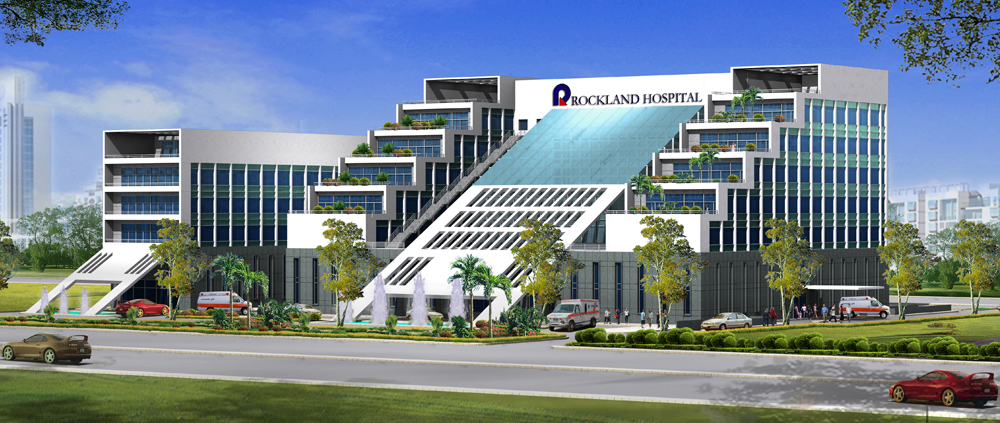
Rockland Qutab, South Delhi, B 33- 34,Qutub Institutional Area, Katwaria Sarai – New Delhi
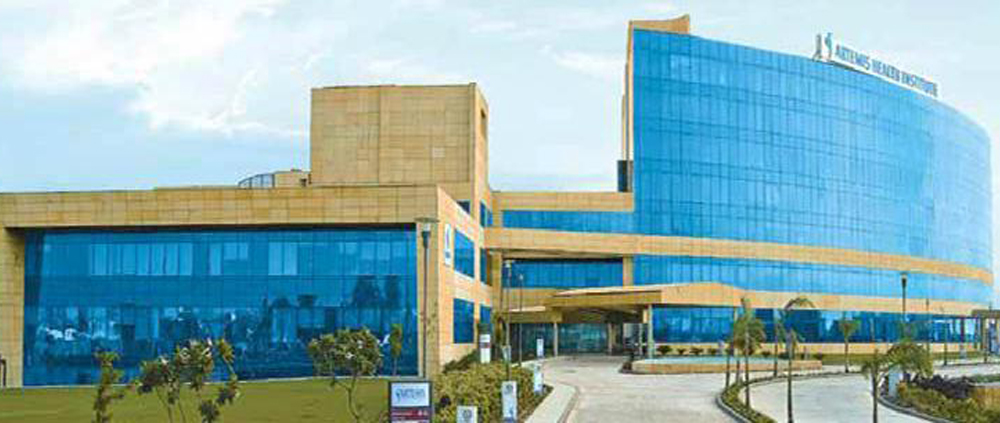
Sector 51 Gurgaon, Haryana 122 017, INDIA
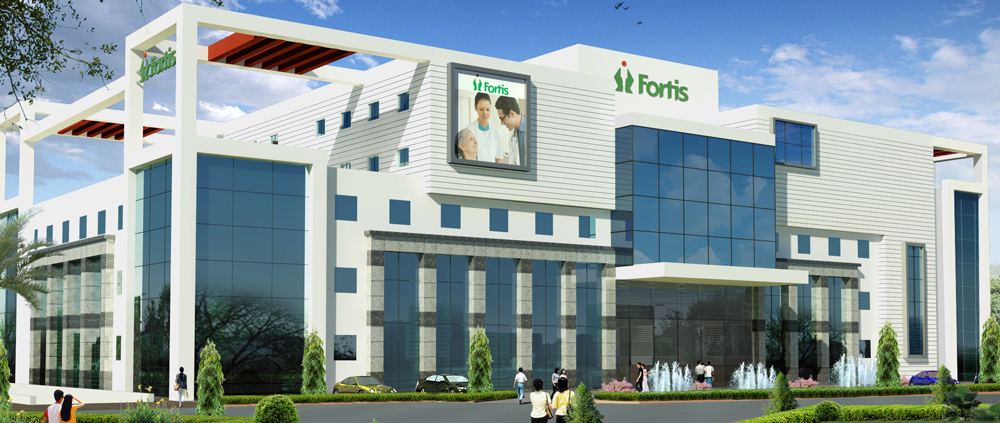
Sector – 44, Opposite HUDA City Centre, Gurgaon, Haryana – 122002, India
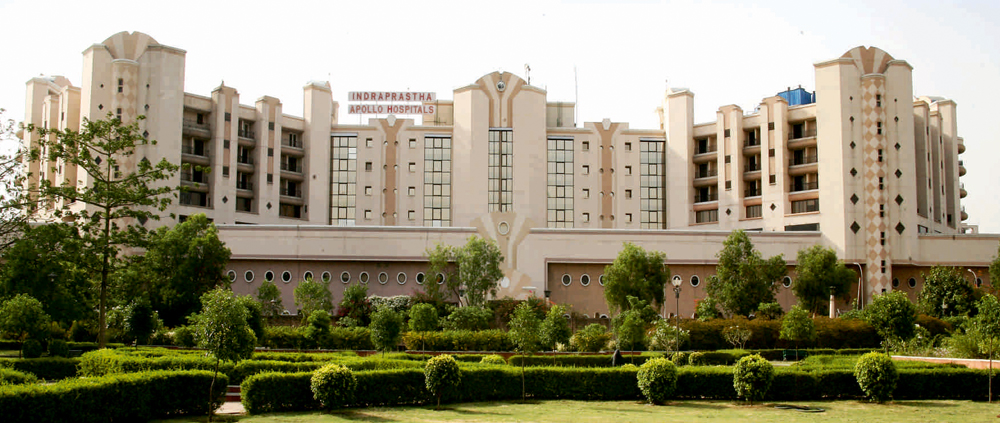
Sarita Vihar, Mathura Road, New Delhi – 110076 , INDIA