
5 minutes to 2 hours per consultation or procedure, while antiviral treatment programs may continue for 8 to 48 weeks depending on the condition.
1 to 3 days in the hospital for evaluation and testing, and 1 to 3 weeks in India for treatment planning and follow-up assessments.
No anesthesia is required for most hepatitis treatments. Sedation may be used for certain diagnostic procedures such as liver biopsy or endoscopy.
1,000 to 5,000 USD*
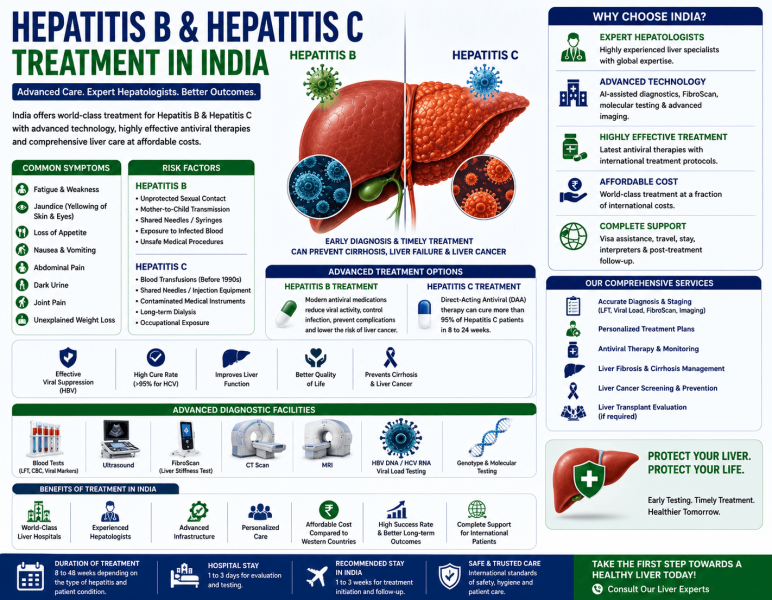
Hepatitis B and Hepatitis C are serious viral infections that affect the liver and can lead to chronic liver disease, cirrhosis, liver failure, and liver cancer if left untreated. Millions of people worldwide live with these infections, often without symptoms for many years. Early diagnosis and timely treatment can prevent complications and significantly improve long-term health outcomes. India has become one of the leading destinations for advanced and affordable Hepatitis B and Hepatitis C treatment, offering world-class hepatology care, experienced liver specialists, and modern treatment technologies for international patients.
Every year, thousands of patients choose India for hepatitis treatment because of its combination of medical expertise, advanced diagnostic facilities, shorter waiting times, and affordable treatment costs. Leading liver centers in India provide comprehensive care for acute hepatitis, chronic hepatitis, hepatitis-related cirrhosis, liver fibrosis, and advanced liver disease.
Recent advancements in hepatitis treatment have transformed patient outcomes. Leading hospitals now use AI-assisted liver diagnostics, FibroScan liver assessment, highly effective direct-acting antiviral (DAA) therapies for Hepatitis C, advanced antiviral medications for Hepatitis B, molecular viral testing, personalized treatment protocols, precision hepatology, non-invasive liver fibrosis assessment, and advanced liver disease monitoring. These innovations help achieve high cure rates for Hepatitis C, effective viral suppression for Hepatitis B, and improved long-term liver health.
One of the biggest advantages of choosing India for hepatitis treatment is affordability. Compared to many international destinations, treatment costs in India are significantly lower while maintaining international standards of quality, safety, and patient care. International patients also receive complete medical tourism support including online consultations, treatment planning, medical visa assistance, airport transfers, accommodation support, interpreter services, and dedicated patient coordinators.
Whether you are seeking treatment for chronic Hepatitis B, Hepatitis C, liver fibrosis, hepatitis-related cirrhosis, or advanced liver disease, India offers advanced treatment options, expert care, and renewed hope for better liver health.
Many patients with Hepatitis B or Hepatitis C may not experience symptoms during the early stages.
Common symptoms may include:
Early testing is important because symptoms may remain unnoticed for years.
Several factors increase the risk of Hepatitis B and Hepatitis C infection, including:
Regular screening is recommended for high-risk individuals.
Before treatment, specialists perform a detailed evaluation to assess liver health and viral activity.
Diagnostic tests may include:
International patients are encouraged to share medical reports before travel for personalized treatment planning.
Hepatitis treatment in India is personalized according to the type of infection, liver condition, and overall patient health.
Modern antiviral medications help suppress viral activity, reduce liver inflammation, prevent complications, and lower the risk of liver cancer.
One of the biggest advancements in liver medicine. Direct-Acting Antiviral (DAA) medications can achieve cure rates exceeding 95% in many patients.
Non-invasive liver stiffness assessment helps monitor disease progression without the need for repeated biopsies.
Advanced molecular testing and personalized treatment plans help optimize outcomes.
Early treatment helps prevent progression to cirrhosis and liver failure.
Patients with advanced liver damage receive specialized care to manage complications and improve quality of life.
Regular monitoring helps detect liver cancer at an early stage in high-risk patients.
Patients with end-stage liver disease may be evaluated for liver transplantation when necessary.
Recovery and long-term management may include:
Many patients experience significant improvements in liver health following successful treatment.
India has achieved excellent outcomes in Hepatitis B and Hepatitis C treatment due to advanced hepatology care, experienced liver specialists, and modern antiviral therapies.
Recent innovations such as Direct-Acting Antivirals (DAAs), AI-assisted liver diagnostics, FibroScan technology, precision hepatology, molecular viral testing, and personalized treatment protocols have significantly improved cure rates and long-term outcomes.
Many Hepatitis C patients achieve complete viral eradication, while Hepatitis B patients often achieve effective long-term viral suppression and protection against complications.
Many patients with Hepatitis B or Hepatitis C may not experience symptoms during the early stages.
Common symptoms may include:
Early testing is important because symptoms may remain unnoticed for years.
Several factors increase the risk of Hepatitis B and Hepatitis C infection, including:
Regular screening is recommended for high-risk individuals.
Before treatment, specialists perform a detailed evaluation to assess liver health and viral activity.
Diagnostic tests may include:
International patients are encouraged to share medical reports before travel for personalized treatment planning.
Hepatitis treatment in India is personalized according to the type of infection, liver condition, and overall patient health.
Modern antiviral medications help suppress viral activity, reduce liver inflammation, prevent complications, and lower the risk of liver cancer.
One of the biggest advancements in liver medicine. Direct-Acting Antiviral (DAA) medications can achieve cure rates exceeding 95% in many patients.
Non-invasive liver stiffness assessment helps monitor disease progression without the need for repeated biopsies.
Advanced molecular testing and personalized treatment plans help optimize outcomes.
Early treatment helps prevent progression to cirrhosis and liver failure.
Patients with advanced liver damage receive specialized care to manage complications and improve quality of life.
Regular monitoring helps detect liver cancer at an early stage in high-risk patients.
Patients with end-stage liver disease may be evaluated for liver transplantation when necessary.
Recovery and long-term management may include:
Many patients experience significant improvements in liver health following successful treatment.
India has achieved excellent outcomes in Hepatitis B and Hepatitis C treatment due to advanced hepatology care, experienced liver specialists, and modern antiviral therapies.
Recent innovations such as Direct-Acting Antivirals (DAAs), AI-assisted liver diagnostics, FibroScan technology, precision hepatology, molecular viral testing, and personalized treatment protocols have significantly improved cure rates and long-term outcomes.
Many Hepatitis C patients achieve complete viral eradication, while Hepatitis B patients often achieve effective long-term viral suppression and protection against complications.
Yes. Treatment in India is significantly more affordable than in many countries while maintaining international standards of care.
Recent advancements include Direct-Acting Antiviral (DAA) therapy, AI-assisted liver diagnostics, FibroScan technology, molecular viral testing, precision hepatology, and personalized treatment protocols.
Yes. Modern DAA medications can cure more than 95% of Hepatitis C patients in many cases.
While a complete cure is not yet available for most patients, modern antiviral treatments can effectively suppress the virus and prevent complications.
Yes. India is recognized globally for advanced liver care, experienced hepatologists, modern hospitals, and affordable treatment options.
Yes. International patients receive complete support including treatment planning, medical visa assistance, accommodation arrangements, interpreter services, and post-treatment follow-up.

Rockland Qutab, South Delhi, B 33- 34,Qutub Institutional Area, Katwaria Sarai – New Delhi

Sector 51 Gurgaon, Haryana 122 017, INDIA

Sector – 44, Opposite HUDA City Centre, Gurgaon, Haryana – 122002, India
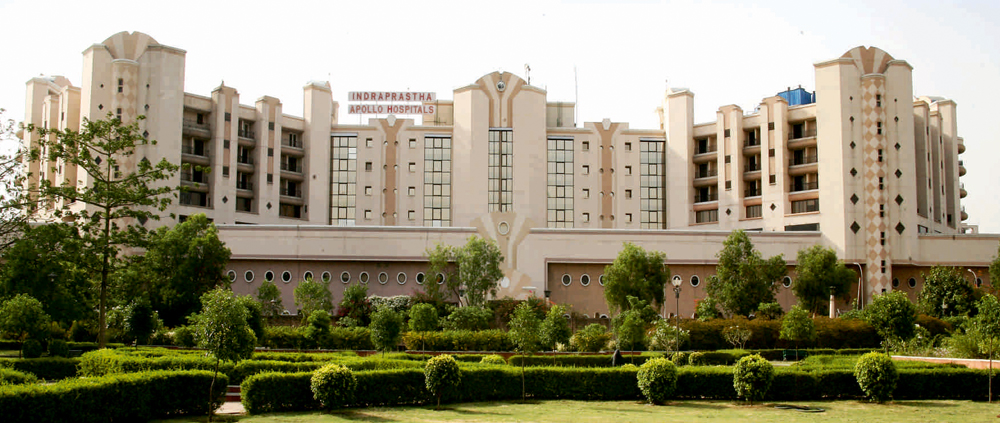
Sarita Vihar, Mathura Road, New Delhi – 110076 , INDIA