
Usually takes 8 to 14 hours, depending on the complexity of the surgery and the patient's condition.
Patients generally stay 14 to 21 days in the hospital, including intensive care monitoring and post-operative recovery.
General anesthesia is administered throughout the liver transplant procedure.
33,000 to 45,000 USD*
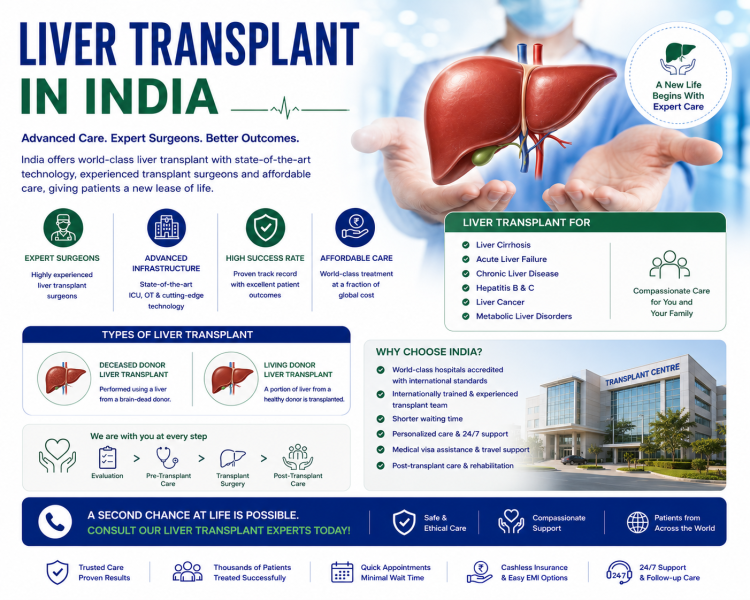
A liver transplant is a highly specialized surgical procedure performed to replace a diseased or failing liver with a healthy liver from a living or deceased donor. It is considered the most effective treatment for patients with end-stage liver disease, acute liver failure, liver cirrhosis, certain liver cancers, and inherited liver disorders. A successful liver transplant not only saves lives but also restores normal liver function, allowing patients to return to a healthy and active lifestyle.
India has become one of the world's most preferred destinations for liver transplantation, attracting thousands of international patients every year. The country is renowned for its internationally accredited hospitals, highly experienced liver transplant surgeons, multidisciplinary transplant teams, excellent clinical outcomes, and treatment costs that are significantly lower than those in many Western countries.
Modern liver transplant programs in India incorporate the latest innovations, including Living Donor Liver Transplantation (LDLT), Deceased Donor Liver Transplantation (DDLT), 3D CT liver volumetry, advanced liver perfusion technology, high-resolution intraoperative imaging, next-generation HLA typing, precision immunosuppressive therapy, AI-assisted transplant monitoring, Enhanced Recovery After Surgery (ERAS) protocols, minimally invasive donor hepatectomy, and remote post-transplant follow-up. These advancements improve patient safety, reduce complications, enhance liver regeneration, and support long-term transplant success.
Whether you are suffering from liver cirrhosis, hepatitis-related liver failure, fatty liver disease, liver cancer, biliary disorders, or congenital liver diseases, India offers world-class liver transplant care supported by international standards of safety, ethics, and patient-centered treatment.
Patients who may require a liver transplant often experience:
Patients with progressive liver disease should undergo transplant evaluation before severe complications develop.
Liver transplantation may become necessary due to:
Early diagnosis and specialist care can help slow disease progression and improve transplant outcomes.
Before liver transplantation, both the donor and recipient undergo extensive medical evaluation to ensure safety and compatibility.
Pre-transplant investigations may include:
International patients can submit their medical reports online for an expert opinion and personalized treatment plan before travelling to India.
The liver transplant procedure is performed by a multidisciplinary team comprising liver transplant surgeons, hepatologists, anesthesiologists, intensivists, radiologists, and transplant coordinators.
A healthy living donor or deceased donor liver undergoes detailed medical, radiological, and surgical evaluation to ensure donor safety and transplant suitability.
The recipient undergoes a comprehensive evaluation to assess liver disease severity, overall health, nutritional status, and transplant eligibility.
A portion of the liver from a healthy living donor is transplanted into the recipient. Since the liver has a remarkable ability to regenerate, both the donor's remaining liver and the transplanted portion typically grow back to near-normal size over time.
Patients without a suitable living donor may receive a liver from a deceased donor through the legally approved organ allocation system.
The diseased liver is removed and replaced with the healthy donor liver. The transplant surgeon carefully reconnects the blood vessels and bile ducts to restore normal liver function.
Many leading hospitals now perform laparoscopic or robotic-assisted donor liver surgery, resulting in smaller incisions, less postoperative pain, reduced blood loss, and faster recovery for healthy donors.
Individualized immunosuppressive medication plans help minimize the risk of organ rejection while reducing medication-related side effects.
Modern operating rooms use real-time imaging, advanced anesthesia monitoring, blood conservation techniques, and AI-assisted monitoring to improve surgical safety and patient outcomes.
A healthy family member voluntarily donates a portion of their liver. This is the most commonly performed liver transplant in India due to shorter waiting times and excellent clinical outcomes.
The liver is donated after brain death through the national organ donation program. Allocation follows strict medical and ethical guidelines.
In selected cases, one deceased donor liver is divided and transplanted into two recipients, allowing more patients to benefit from organ donation.
Specialized liver transplantation performed for infants and children with congenital liver diseases, metabolic disorders, or acute liver failure.
After liver transplantation, patients are closely monitored to ensure healthy liver function and early detection of complications.
Post-transplant care includes:
Regular follow-up plays a crucial role in maintaining the health of the transplanted liver.
A successful liver transplant offers patients a second chance at life. Most patients experience increased energy, improved appetite, better physical activity, and a significant improvement in their overall quality of life. Many are able to return to work, travel, and enjoy normal family life after recovery.
Leading liver transplant centers in India combine experienced surgical teams, advanced transplant technology, precision immunosuppression, and structured long-term follow-up programs to achieve excellent clinical outcomes. With proper medication adherence, regular medical monitoring, healthy lifestyle choices, and routine follow-up, many transplanted livers continue to function successfully for decades.
Patients who may require a liver transplant often experience:
Patients with progressive liver disease should undergo transplant evaluation before severe complications develop.
Liver transplantation may become necessary due to:
Early diagnosis and specialist care can help slow disease progression and improve transplant outcomes.
Before liver transplantation, both the donor and recipient undergo extensive medical evaluation to ensure safety and compatibility.
Pre-transplant investigations may include:
International patients can submit their medical reports online for an expert opinion and personalized treatment plan before travelling to India.
The liver transplant procedure is performed by a multidisciplinary team comprising liver transplant surgeons, hepatologists, anesthesiologists, intensivists, radiologists, and transplant coordinators.
A healthy living donor or deceased donor liver undergoes detailed medical, radiological, and surgical evaluation to ensure donor safety and transplant suitability.
The recipient undergoes a comprehensive evaluation to assess liver disease severity, overall health, nutritional status, and transplant eligibility.
A portion of the liver from a healthy living donor is transplanted into the recipient. Since the liver has a remarkable ability to regenerate, both the donor's remaining liver and the transplanted portion typically grow back to near-normal size over time.
Patients without a suitable living donor may receive a liver from a deceased donor through the legally approved organ allocation system.
The diseased liver is removed and replaced with the healthy donor liver. The transplant surgeon carefully reconnects the blood vessels and bile ducts to restore normal liver function.
Many leading hospitals now perform laparoscopic or robotic-assisted donor liver surgery, resulting in smaller incisions, less postoperative pain, reduced blood loss, and faster recovery for healthy donors.
Individualized immunosuppressive medication plans help minimize the risk of organ rejection while reducing medication-related side effects.
Modern operating rooms use real-time imaging, advanced anesthesia monitoring, blood conservation techniques, and AI-assisted monitoring to improve surgical safety and patient outcomes.
After liver transplantation, patients are closely monitored to ensure healthy liver function and early detection of complications.
Post-transplant care includes:
Regular follow-up plays a crucial role in maintaining the health of the transplanted liver.
A successful liver transplant offers patients a second chance at life. Most patients experience increased energy, improved appetite, better physical activity, and a significant improvement in their overall quality of life. Many are able to return to work, travel, and enjoy normal family life after recovery.
Leading liver transplant centers in India combine experienced surgical teams, advanced transplant technology, precision immunosuppression, and structured long-term follow-up programs to achieve excellent clinical outcomes. With proper medication adherence, regular medical monitoring, healthy lifestyle choices, and routine follow-up, many transplanted livers continue to function successfully for decades.
Yes. Liver transplantation in India is significantly more affordable than in many developed countries while maintaining international standards of quality and patient safety.
Patients with end-stage liver disease, acute liver failure, selected liver cancers, and certain inherited liver disorders may be eligible after specialist evaluation.
Recent advancements include minimally invasive donor hepatectomy, 3D CT liver volumetry, AI-assisted transplant monitoring, advanced liver perfusion systems, precision immunosuppression, ERAS protocols, and remote post-transplant follow-up.
Many transplanted livers function successfully for decades with proper medication, regular follow-up, and healthy lifestyle practices.
Yes. Eligible international patients can undergo liver transplantation after completing the required medical evaluations and legal approval process.
Yes. Hospitals offer comprehensive support including treatment planning, visa assistance, airport transfers, accommodation, interpreter services, and post-transplant follow-up.

Rockland Qutab, South Delhi, B 33- 34,Qutub Institutional Area, Katwaria Sarai – New Delhi
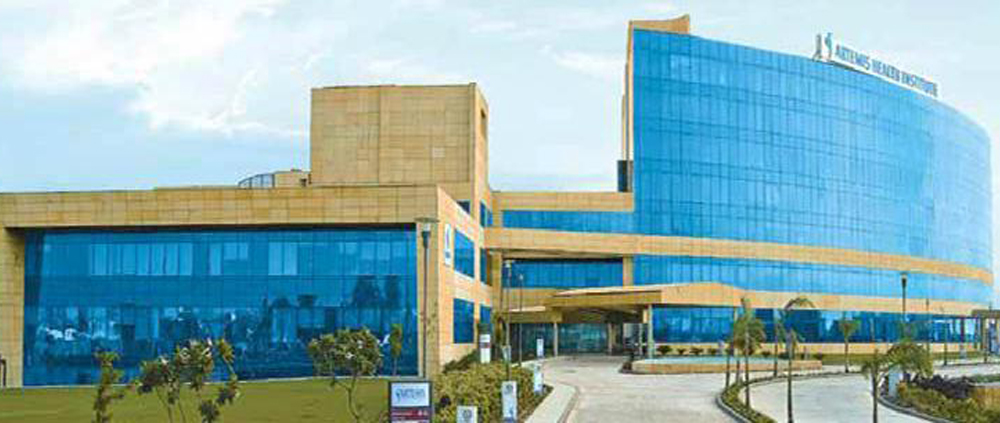
Sector 51 Gurgaon, Haryana 122 017, INDIA

Sector – 44, Opposite HUDA City Centre, Gurgaon, Haryana – 122002, India
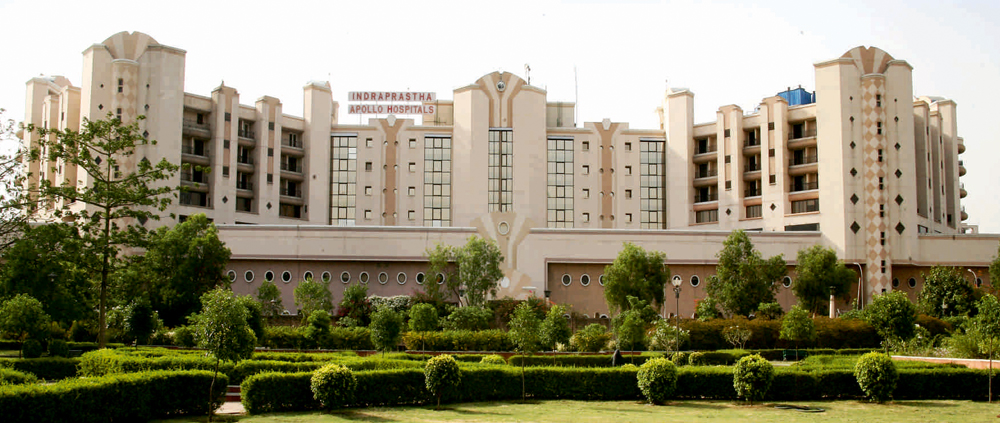
Sarita Vihar, Mathura Road, New Delhi – 110076 , INDIA