
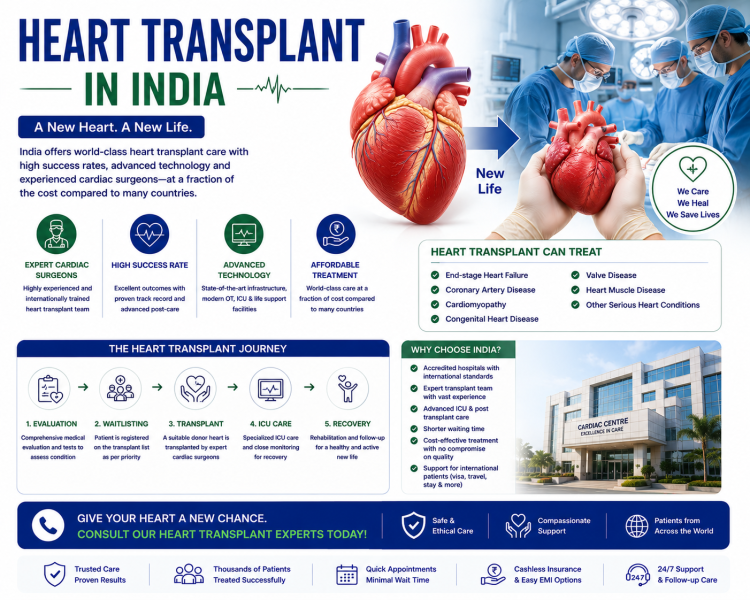
Heart transplant surgery generally takes 4 to 8 hours, depending on the patient's condition, previous heart surgeries, and surgical complexity.
Patients usually remain hospitalized for 14 to 21 days, including intensive care monitoring and cardiac rehabilitation.
General anesthesia is administered throughout the heart transplant procedure.
25,000 to 45,000 USD*
A Heart Transplant is a highly specialized surgical procedure in which a failing or severely damaged heart is replaced with a healthy donor heart. It is considered the most effective treatment for patients with end-stage heart failure who no longer respond to medications, angioplasty, bypass surgery, or other advanced cardiac therapies. A successful heart transplant can significantly improve survival, restore heart function, and enable patients to lead healthier and more active lives.
India has become one of the leading destinations for heart transplantation, offering internationally accredited hospitals, experienced cardiac transplant surgeons, advanced intensive care units, and multidisciplinary heart failure teams. Every year, patients from Africa, the Middle East, and many other countries travel to India because of its world-class expertise, shorter waiting times for evaluation, comprehensive international patient services, and treatment costs that are considerably lower than in many developed nations. Heart transplantation in India has expanded steadily with stronger organ donation programs and improved transplant infrastructure.
Modern heart transplant programs in India incorporate several advanced technologies, including Mechanical Circulatory Support (MCS), Left Ventricular Assist Devices (LVAD) as a bridge to transplant, 3D cardiac imaging, virtual crossmatch technology, next-generation HLA typing, AI-assisted transplant monitoring, precision immunosuppressive therapy, advanced organ preservation systems, Enhanced Recovery After Surgery (ERAS) protocols, and remote post-transplant follow-up programs. These advancements have improved patient selection, reduced complications, enhanced graft survival, and supported better long-term outcomes.
Whether you are living with advanced heart failure, cardiomyopathy, congenital heart disease, or severe valvular heart disease, India offers comprehensive heart transplant care supported by international standards of quality, ethics, and patient safety.
Patients who may require a heart transplant often experience:
Patients with end-stage heart disease should undergo transplant evaluation before irreversible organ damage develops.
Heart transplantation may become necessary due to:
Before transplantation, patients undergo an extensive evaluation to determine transplant eligibility and overall fitness.
Pre-transplant investigations may include:
International patients can submit their medical reports online for an expert opinion before travelling to India.
Heart transplantation is performed by a multidisciplinary team consisting of cardiac transplant surgeons, heart failure cardiologists, cardiac anesthesiologists, intensivists, perfusionists, transplant coordinators, and rehabilitation specialists.
The donor heart undergoes detailed medical evaluation to ensure organ quality, blood group compatibility, and transplant suitability.
The recipient is thoroughly evaluated to confirm eligibility and optimize overall health before surgery.
The diseased heart is removed and replaced with the healthy donor heart. The new heart is connected to the major blood vessels and carefully monitored before restoring circulation.
Some patients with severe heart failure may require a Left Ventricular Assist Device (LVAD) or other temporary mechanical support while awaiting a suitable donor heart.
Modern preservation techniques help maintain donor heart quality during transportation, improving transplant success.
Individualized immunosuppressive medication plans help reduce rejection while minimizing medication-related side effects.
Real-time imaging, sophisticated anesthesia monitoring, extracorporeal circulation technology, and AI-assisted monitoring contribute to safer surgery and improved outcomes.
The most commonly performed procedure in which the diseased heart is completely replaced by a healthy donor heart.
In selected complex cases, the donor heart is connected alongside the patient's existing heart to provide additional cardiac support.
Specialized transplantation performed for children with congenital heart disease or severe pediatric heart failure by dedicated pediatric cardiac transplant teams.
Patients awaiting transplantation may receive advanced mechanical heart support devices such as LVADs to stabilize their condition until a suitable donor heart becomes available.
Following heart transplantation, patients are closely monitored in a specialized cardiac intensive care unit.
Post-transplant care includes:
A successful heart transplant offers patients a new opportunity to enjoy a healthier and more active life. Many patients experience improved breathing, increased energy, better exercise capacity, and the ability to resume work, travel, and daily activities after recovery.
Leading cardiac transplant centers in India combine advanced surgical expertise, modern intensive care, precision immunosuppression, and structured rehabilitation programs to support excellent long-term outcomes. With regular medical follow-up, healthy lifestyle choices, medication adherence, and infection prevention, many transplant recipients continue to enjoy good heart function for many years.
Patients who may require a heart transplant often experience:
Patients with end-stage heart disease should undergo transplant evaluation before irreversible organ damage develops.
Heart transplantation may become necessary due to:
Before transplantation, patients undergo an extensive evaluation to determine transplant eligibility and overall fitness.
Pre-transplant investigations may include:
International patients can submit their medical reports online for an expert opinion before travelling to India.
Heart transplantation is performed by a multidisciplinary team consisting of cardiac transplant surgeons, heart failure cardiologists, cardiac anesthesiologists, intensivists, perfusionists, transplant coordinators, and rehabilitation specialists.
The donor heart undergoes detailed medical evaluation to ensure organ quality, blood group compatibility, and transplant suitability.
The recipient is thoroughly evaluated to confirm eligibility and optimize overall health before surgery.
The diseased heart is removed and replaced with the healthy donor heart. The new heart is connected to the major blood vessels and carefully monitored before restoring circulation.
Some patients with severe heart failure may require a Left Ventricular Assist Device (LVAD) or other temporary mechanical support while awaiting a suitable donor heart.
Modern preservation techniques help maintain donor heart quality during transportation, improving transplant success.
Individualized immunosuppressive medication plans help reduce rejection while minimizing medication-related side effects.
Real-time imaging, sophisticated anesthesia monitoring, extracorporeal circulation technology, and AI-assisted monitoring contribute to safer surgery and improved outcomes.
Following heart transplantation, patients are closely monitored in a specialized cardiac intensive care unit.
Post-transplant care includes:
A successful heart transplant offers patients a new opportunity to enjoy a healthier and more active life. Many patients experience improved breathing, increased energy, better exercise capacity, and the ability to resume work, travel, and daily activities after recovery.
Leading cardiac transplant centers in India combine advanced surgical expertise, modern intensive care, precision immunosuppression, and structured rehabilitation programs to support excellent long-term outcomes. With regular medical follow-up, healthy lifestyle choices, medication adherence, and infection prevention, many transplant recipients continue to enjoy good heart function for many years.
Yes. Heart transplantation in India is considerably more affordable than in many developed countries while maintaining international standards of cardiac care.
Patients with end-stage heart failure who no longer benefit from conventional treatments may be considered after comprehensive evaluation.
Recent advancements include LVAD support, AI-assisted transplant monitoring, advanced organ preservation systems, precision immunosuppressive therapy, virtual crossmatching, 3D cardiac imaging, and ERAS recovery protocols.
Many transplanted hearts continue to function successfully for many years with proper medications, routine follow-up, and a healthy lifestyle.
Eligible international patients may undergo heart transplantation after completing the required medical evaluation and legal processes, subject to donor organ availability and applicable regulations.
Yes. Most leading transplant hospitals provide assistance with treatment planning, medical visas, accommodation, airport transfers, interpreters, rehabilitation, and follow-up care.

Rockland Qutab, South Delhi, B 33- 34,Qutub Institutional Area, Katwaria Sarai – New Delhi
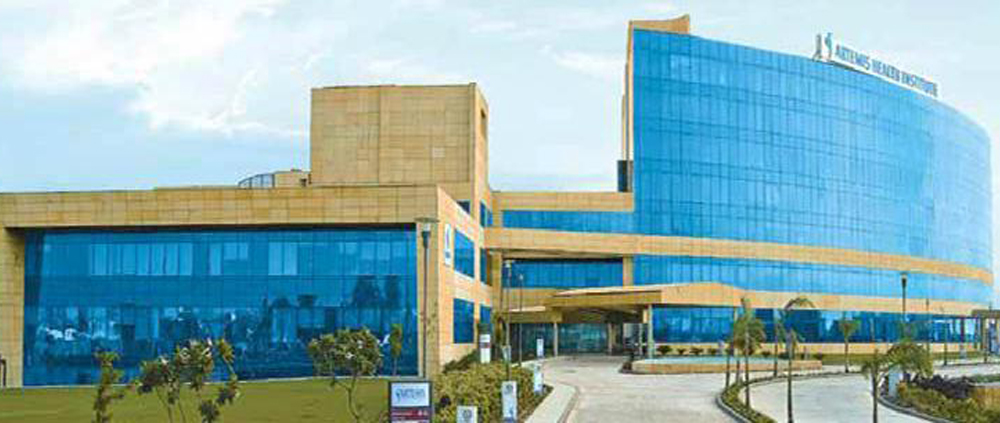
Sector 51 Gurgaon, Haryana 122 017, INDIA

Sector – 44, Opposite HUDA City Centre, Gurgaon, Haryana – 122002, India
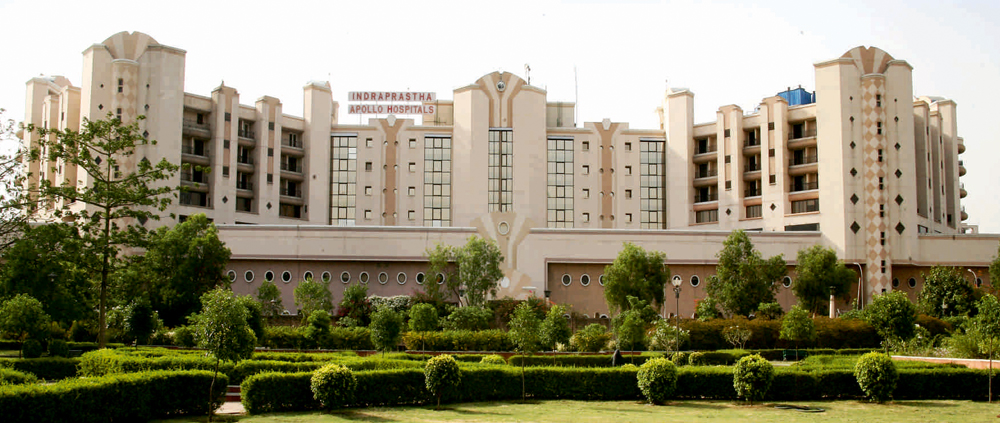
Sarita Vihar, Mathura Road, New Delhi – 110076 , INDIA