
Usually takes 2 to 5 hours depending on the type of nephrectomy, surgical approach, and complexity of the condition.
Usually 3 to 7 days in the hospital depending on whether the procedure is robotic, laparoscopic, or open surgery.
General anesthesia is used for all nephrectomy procedures.
4,000 to 12,000 USD*
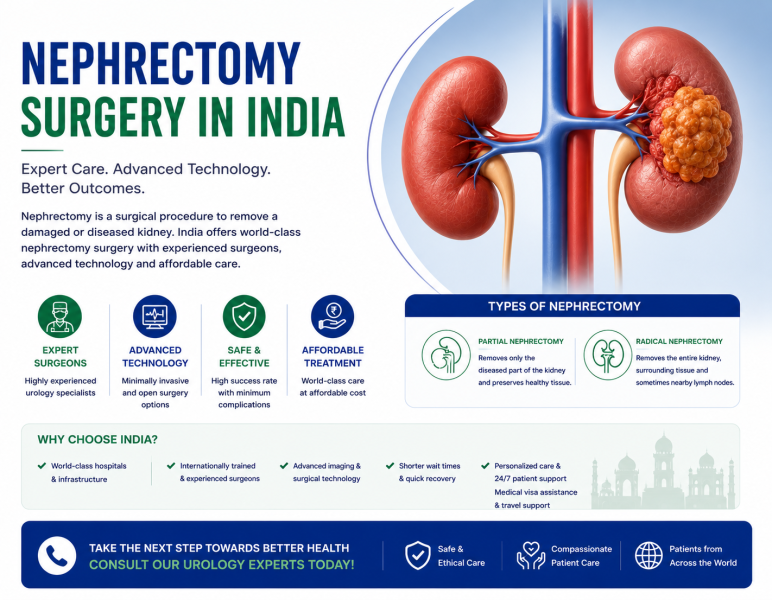
Nephrectomy is a surgical procedure performed to remove part or all of a kidney affected by cancer, severe injury, chronic infection, non-functioning kidney disease, or other serious kidney disorders. Depending on the patient's condition, the surgery may involve removing only the diseased portion of the kidney (Partial Nephrectomy) or the entire kidney (Radical Nephrectomy). Thanks to modern surgical advancements, nephrectomy has become safer, more precise, and minimally invasive, allowing faster recovery and better long-term outcomes.
India has become one of the world's leading destinations for advanced and affordable nephrectomy surgery. International patients choose India for its highly experienced urologists, uro-oncologists, robotic surgeons, state-of-the-art hospitals, and significantly lower treatment costs compared to many Western countries.
Recent advancements in kidney surgery have transformed patient care. Leading hospitals now offer robotic-assisted nephrectomy, laparoscopic kidney surgery, 3D surgical imaging, fluorescence-guided surgery, nephron-sparing surgery, AI-assisted surgical planning, and enhanced recovery protocols (ERAS). These innovations help preserve healthy kidney tissue whenever possible, reduce surgical complications, minimize blood loss, and shorten recovery time.
Whether you require surgery for kidney cancer, a non-functioning kidney, kidney trauma, or complex renal disease, India offers advanced surgical expertise, international-quality care, and comprehensive support for overseas patients.
Patients who may require nephrectomy surgery often experience:
Early medical evaluation helps determine the most appropriate treatment.
Conditions that may require nephrectomy include:
Before surgery, specialists perform a comprehensive evaluation to determine the safest surgical approach.
Diagnostic tests may include:
International patients can share their medical reports online before travelling for treatment planning.
The surgical approach depends on the patient's condition, kidney function, and underlying disease.
Also known as kidney-sparing surgery, this procedure removes only the diseased portion of the kidney while preserving healthy tissue whenever possible.
The entire kidney, surrounding fatty tissue, and sometimes nearby lymph nodes are removed in cases of advanced kidney disease or cancer.
One of the latest advancements in kidney surgery. Robotic-assisted technology provides superior precision, enhanced visualization, smaller incisions, reduced blood loss, and faster recovery.
A minimally invasive technique performed through small incisions using specialized instruments and a high-definition camera.
Recommended for selected patients with very large tumors or complex kidney conditions requiring direct surgical access.
Advanced surgical techniques preserve as much healthy kidney tissue as possible, helping maintain long-term kidney function.
Recovery after nephrectomy depends on the type of surgery and the patient's overall health.
Post-operative care includes:
Most patients gradually return to normal daily activities within a few weeks after minimally invasive surgery.
Nephrectomy is a well-established and highly successful procedure for treating kidney tumors, severe kidney damage, and non-functioning kidneys. Thanks to advances in robotic surgery and minimally invasive techniques, many patients experience less pain, shorter hospital stays, quicker recovery, and excellent long-term outcomes.
When one healthy kidney remains, it can usually perform the body's essential filtering functions effectively. Regular medical follow-up, a balanced diet, adequate hydration, and a healthy lifestyle help maintain kidney health after surgery.
Patients treated for kidney cancer also benefit from regular surveillance programs that help detect recurrence early and support long-term recovery.
Patients who may require nephrectomy surgery often experience:
Early medical evaluation helps determine the most appropriate treatment.
Conditions that may require nephrectomy include:
Conditions that may require nephrectomy include:
The surgical approach depends on the patient's condition, kidney function, and underlying disease.
Also known as kidney-sparing surgery, this procedure removes only the diseased portion of the kidney while preserving healthy tissue whenever possible.
The entire kidney, surrounding fatty tissue, and sometimes nearby lymph nodes are removed in cases of advanced kidney disease or cancer.
One of the latest advancements in kidney surgery. Robotic-assisted technology provides superior precision, enhanced visualization, smaller incisions, reduced blood loss, and faster recovery.
A minimally invasive technique performed through small incisions using specialized instruments and a high-definition camera.
Recommended for selected patients with very large tumors or complex kidney conditions requiring direct surgical access.
Advanced surgical techniques preserve as much healthy kidney tissue as possible, helping maintain long-term kidney function.
Recovery after nephrectomy depends on the type of surgery and the patient's overall health.
Post-operative care includes:
Most patients gradually return to normal daily activities within a few weeks after minimally invasive surgery.
Nephrectomy is a well-established and highly successful procedure for treating kidney tumors, severe kidney damage, and non-functioning kidneys. Thanks to advances in robotic surgery and minimally invasive techniques, many patients experience less pain, shorter hospital stays, quicker recovery, and excellent long-term outcomes.
When one healthy kidney remains, it can usually perform the body's essential filtering functions effectively. Regular medical follow-up, a balanced diet, adequate hydration, and a healthy lifestyle help maintain kidney health after surgery.
Patients treated for kidney cancer also benefit from regular surveillance programs that help detect recurrence early and support long-term recovery.
Yes. Nephrectomy surgery in India is considerably more affordable than in many countries while maintaining international standards of surgical care.
Recent advancements include robotic-assisted nephrectomy, laparoscopic surgery, fluorescence-guided surgery, AI-assisted surgical planning, nephron-sparing surgery, and enhanced recovery protocols (ERAS).
Yes. Most people live healthy, normal lives with one functioning kidney after nephrectomy.
Yes. Many leading hospitals in India offer robotic kidney surgery performed by experienced uro-oncology surgeons.
Yes. India is internationally recognized for advanced urology care, expert surgeons, modern hospitals, and affordable treatment costs.
Yes. International patients receive assistance with medical visas, accommodation, airport transfers, interpreter services, and post-treatment follow-up.

Rockland Qutab, South Delhi, B 33- 34,Qutub Institutional Area, Katwaria Sarai – New Delhi
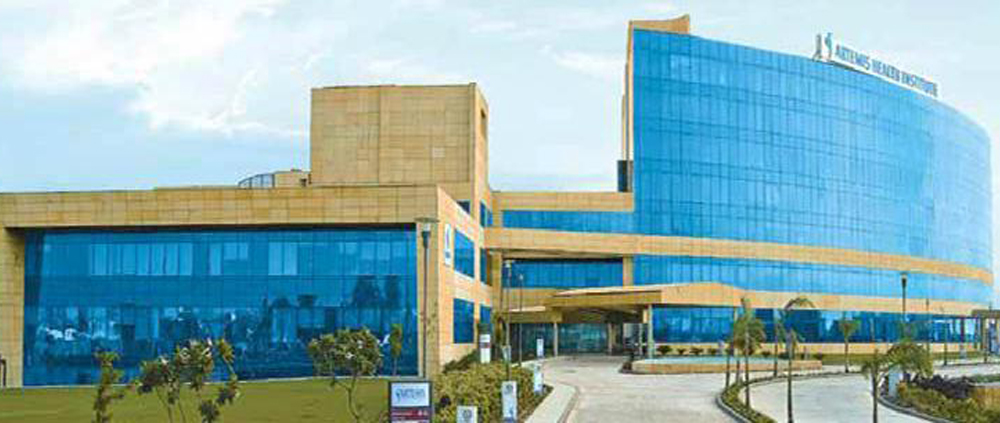
Sector 51 Gurgaon, Haryana 122 017, INDIA

Sector – 44, Opposite HUDA City Centre, Gurgaon, Haryana – 122002, India
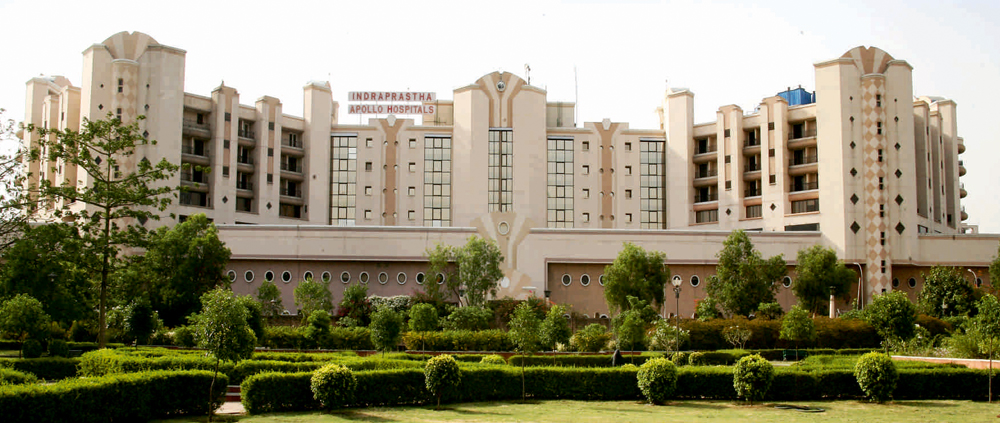
Sarita Vihar, Mathura Road, New Delhi – 110076 , INDIA