
Medical management is ongoing depending on the severity of the disease. Diagnostic procedures such as a kidney biopsy usually take 30 to 60 minutes, while dialysis sessions take 3 to 5 hours.
Usually 1 to 5 days for evaluation and diagnostic procedures. Longer hospitalization may be required for advanced kidney disease or complications.
Most treatments do not require anesthesia. Local anesthesia may be used during a kidney biopsy, while general anesthesia is required only if kidney transplant surgery becomes necessary.
1,500 to 12,000 USD*
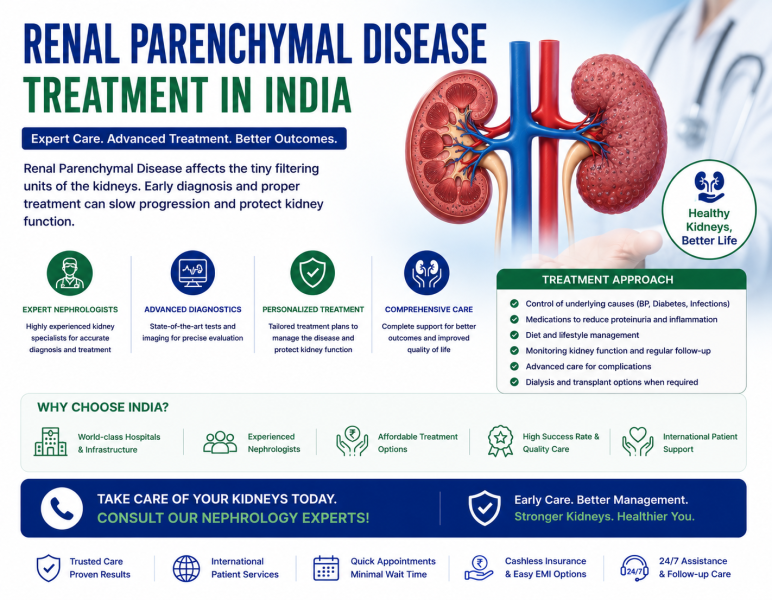
Renal Parenchymal Disease (RPD) refers to a group of conditions that damage the functional tissue (parenchyma) of the kidneys, affecting their ability to filter waste products, regulate body fluids, and maintain electrolyte balance. The condition may develop due to diabetes, high blood pressure, infections, autoimmune disorders, chronic kidney disease, or inherited kidney diseases. If left untreated, renal parenchymal disease can gradually progress to chronic kidney disease (CKD), kidney failure, or the need for dialysis or kidney transplantation.
India has become one of the leading destinations for advanced and affordable renal parenchymal disease treatment, offering internationally trained nephrologists, modern diagnostic facilities, and comprehensive kidney care programs. Patients from Africa, the Middle East, and other regions choose India because of its experienced kidney specialists, world-class hospitals, advanced treatment technologies, and significantly lower healthcare costs.
Recent advancements in nephrology have transformed kidney disease management. Leading hospitals now utilize AI-assisted kidney diagnostics, precision nephrology, advanced renal biopsy techniques, molecular diagnostics, continuous kidney function monitoring, online hemodiafiltration (HDF), regenerative medicine research, and personalized treatment plans. These innovations help identify kidney damage earlier, slow disease progression, preserve kidney function, and improve long-term outcomes.
Whether you have early-stage kidney disease, diabetic kidney disease, hypertensive nephropathy, glomerular disease, or chronic renal damage, India offers comprehensive kidney care with international standards of safety, quality, and affordability.
Renal Parenchymal Disease may cause:
Some patients may have no symptoms during the early stages.
The risk of renal parenchymal disease increases with:
Regular kidney health screening is recommended for high-risk individuals.
Before treatment, nephrologists perform a comprehensive kidney evaluation.
Diagnostic tests may include:
International patients are encouraged to share medical reports before travelling for personalized treatment planning.
Treatment depends on the underlying cause, severity of kidney damage, and overall health of the patient.
Specialized medications help control blood pressure, diabetes, inflammation, protein leakage, and other contributing conditions.
Advanced diagnostic techniques allow specialists to create individualized treatment plans based on the patient's kidney function and disease progression.
A kidney-friendly diet is designed to reduce the workload on the kidneys and maintain proper nutrition.
Strict blood pressure control helps slow the progression of kidney damage.
Optimal blood sugar control is essential for patients with diabetic kidney disease.
A minimally invasive procedure performed in selected patients to determine the exact cause of kidney damage and guide treatment.
Patients with advanced kidney failure may require hemodialysis or peritoneal dialysis to replace lost kidney function.
Patients with end-stage renal disease may be evaluated for kidney transplantation as a long-term treatment option.
Long-term follow-up is essential to preserve kidney function.
Post-treatment care includes:
Early diagnosis and appropriate treatment can significantly slow the progression of renal parenchymal disease and preserve kidney function for many years. Modern nephrology care focuses on identifying the underlying cause, preventing further kidney damage, and reducing the risk of complications such as chronic kidney disease and kidney failure.
Leading nephrology centers in India combine advanced diagnostics, evidence-based treatment, personalized care plans, and regular monitoring to help patients maintain a better quality of life. Patients who follow medical advice, maintain healthy blood pressure and blood sugar levels, adopt a kidney-friendly diet, and attend regular follow-up visits often experience improved long-term kidney health.
Renal Parenchymal Disease may cause:
Some patients may have no symptoms during the early stages.
The risk of renal parenchymal disease increases with:
Regular kidney health screening is recommended for high-risk individuals.
Before treatment, nephrologists perform a comprehensive kidney evaluation.
Diagnostic tests may include:
International patients are encouraged to share medical reports before travelling for personalized treatment planning.
Treatment depends on the underlying cause, severity of kidney damage, and overall health of the patient.
Specialized medications help control blood pressure, diabetes, inflammation, protein leakage, and other contributing conditions.
Advanced diagnostic techniques allow specialists to create individualized treatment plans based on the patient's kidney function and disease progression.
A kidney-friendly diet is designed to reduce the workload on the kidneys and maintain proper nutrition.
Strict blood pressure control helps slow the progression of kidney damage.
Optimal blood sugar control is essential for patients with diabetic kidney disease.
A minimally invasive procedure performed in selected patients to determine the exact cause of kidney damage and guide treatment.
Patients with advanced kidney failure may require hemodialysis or peritoneal dialysis to replace lost kidney function.
Patients with end-stage renal disease may be evaluated for kidney transplantation as a long-term treatment option.
Long-term follow-up is essential to preserve kidney function.
Post-treatment care includes:
Early diagnosis and appropriate treatment can significantly slow the progression of renal parenchymal disease and preserve kidney function for many years. Modern nephrology care focuses on identifying the underlying cause, preventing further kidney damage, and reducing the risk of complications such as chronic kidney disease and kidney failure.
Leading nephrology centers in India combine advanced diagnostics, evidence-based treatment, personalized care plans, and regular monitoring to help patients maintain a better quality of life. Patients who follow medical advice, maintain healthy blood pressure and blood sugar levels, adopt a kidney-friendly diet, and attend regular follow-up visits often experience improved long-term kidney health.
Yes. Although some forms cannot be completely cured, early diagnosis and appropriate treatment can effectively slow disease progression and preserve kidney function.
Recent advancements include AI-assisted kidney diagnostics, precision nephrology, molecular diagnostics, advanced renal biopsy techniques, personalized treatment planning, and remote kidney monitoring.
Yes. If left untreated, progressive kidney damage may eventually lead to chronic kidney disease and end-stage kidney failure.
No. Dialysis is generally recommended only for patients with advanced kidney failure when the kidneys can no longer perform their normal functions.
Yes. India offers experienced nephrologists, advanced kidney care centers, modern diagnostic facilities, and affordable treatment options for international patients.
Yes. International patients receive assistance with medical visas, accommodation, airport transfers, interpreter services, and post-treatment follow-up.
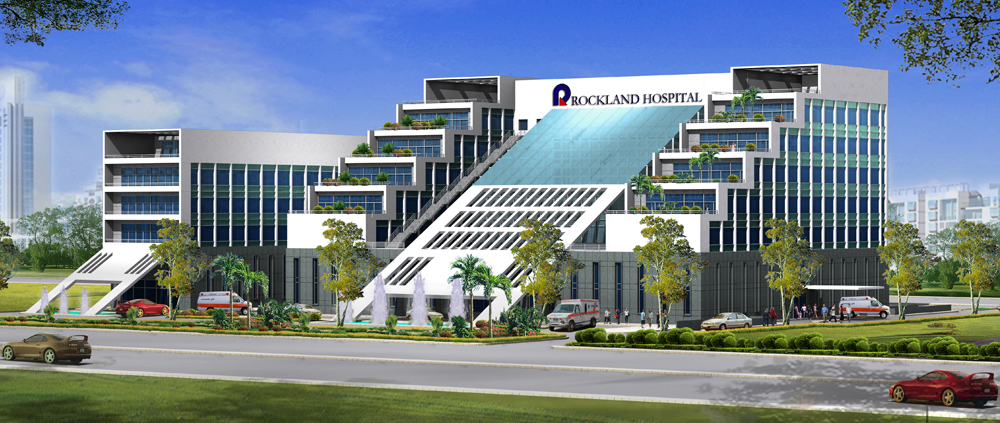
Rockland Qutab, South Delhi, B 33- 34,Qutub Institutional Area, Katwaria Sarai – New Delhi
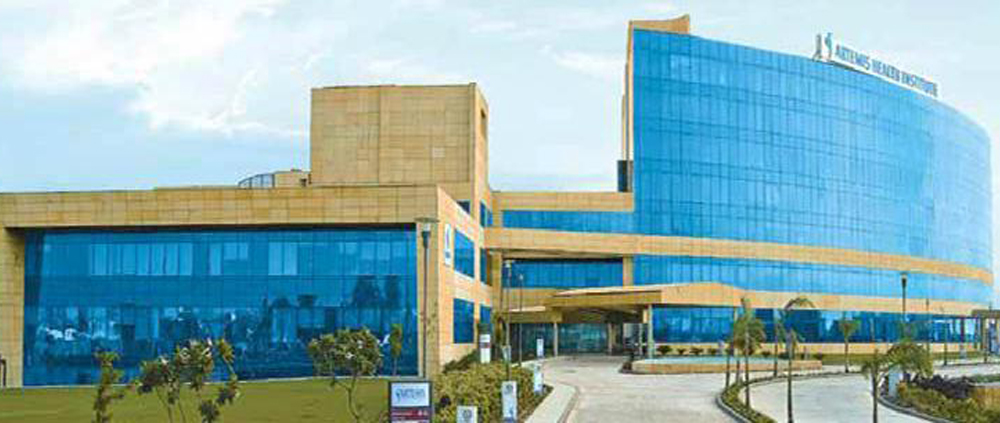
Sector 51 Gurgaon, Haryana 122 017, INDIA
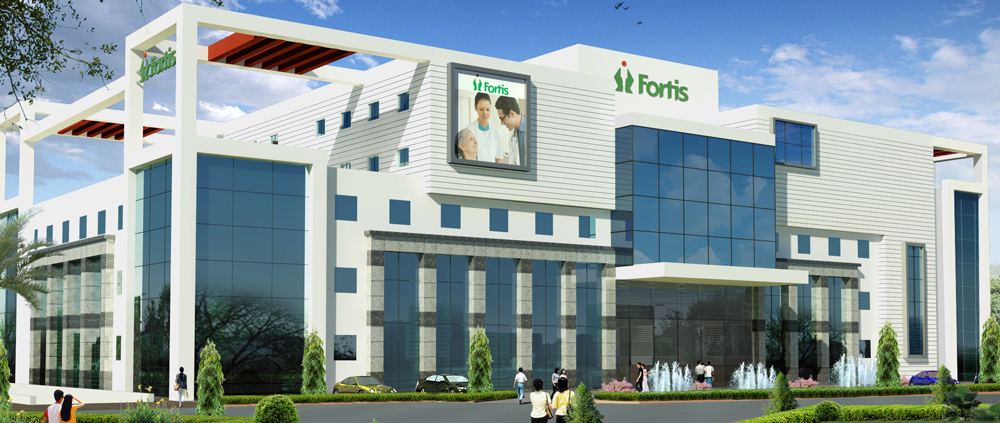
Sector – 44, Opposite HUDA City Centre, Gurgaon, Haryana – 122002, India
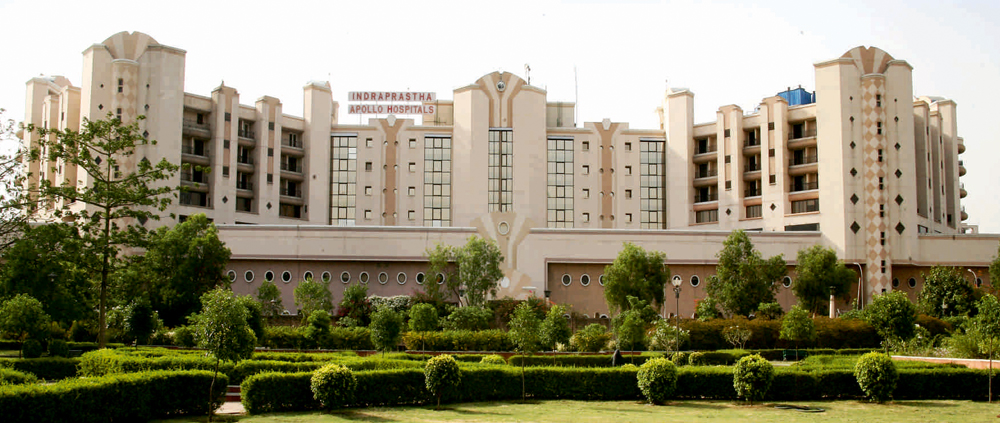
Sarita Vihar, Mathura Road, New Delhi – 110076 , INDIA