
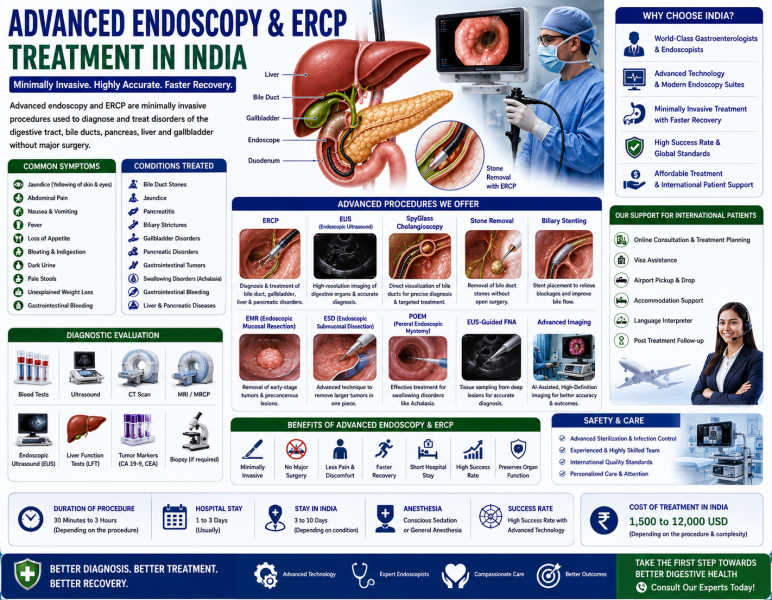
30 minutes to 3 hours depending on the procedure performed and complexity of the condition.
1 to 3 days in the hospital and 3 to 10 days in India for treatment, observation, and follow-up assessments.
Conscious sedation or general anesthesia may be used depending on the type of endoscopic procedure performed.
1,000 to 7,000 USD*
Advanced Endoscopy and ERCP (Endoscopic Retrograde Cholangiopancreatography) are highly specialized minimally invasive procedures used to diagnose and treat disorders of the digestive system, bile ducts, pancreas, liver, and gallbladder. These procedures help doctors accurately diagnose and manage complex gastrointestinal conditions without the need for major surgery. India has become one of the leading destinations for advanced endoscopy and ERCP treatment, offering world-class gastroenterology care, experienced endoscopists, and cutting-edge endoscopic technologies for international patients.
Thousands of patients travel to India every year seeking affordable endoscopic treatment, faster access to specialists, modern hospitals, and personalized treatment plans. Leading gastroenterology centers in India provide advanced treatment for bile duct stones, pancreatic disorders, jaundice, bile duct cancer, pancreatic cancer, gastrointestinal tumors, strictures, bleeding disorders, and digestive tract diseases.
Recent advancements in endoscopy have transformed patient outcomes. Leading hospitals now use AI-assisted endoscopy, high-definition endoscopic imaging, Endoscopic Ultrasound (EUS), SpyGlass cholangioscopy, ERCP-guided interventions, Endoscopic Submucosal Dissection (ESD), Endoscopic Mucosal Resection (EMR), POEM (Peroral Endoscopic Myotomy), advanced stenting techniques, and minimally invasive therapeutic endoscopy. These innovations improve diagnostic accuracy, reduce complications, and shorten recovery time.
One of the biggest advantages of choosing India for advanced endoscopy and ERCP treatment is affordability. Compared to many international destinations, treatment costs in India are significantly lower while maintaining international standards of quality, safety, and patient care. International patients also receive complete medical tourism support including online consultations, treatment planning, medical visa assistance, airport transfers, accommodation support, interpreter services, and dedicated patient coordinators.
Whether you are seeking treatment for bile duct stones, pancreatic diseases, gastrointestinal tumors, swallowing disorders, jaundice, or complex digestive conditions, India offers advanced endoscopic treatment options, expert care, and faster recovery.
Patients who may require advanced endoscopy or ERCP often experience:
Early diagnosis can help prevent serious complications.
Several factors may increase the risk of digestive, pancreatic, and biliary diseases, including:
Regular screening and early evaluation can improve treatment outcomes.
Before undergoing advanced endoscopy or ERCP, specialists perform detailed evaluations to identify the underlying condition.
Diagnostic tests may include:
International patients are encouraged to share medical reports before travel for personalized treatment planning.
Advanced endoscopy treatment in India is customized according to the patient's condition and treatment requirements.
A specialized procedure used to diagnose and treat disorders of the bile ducts, gallbladder, liver, and pancreas.
Combines endoscopy with ultrasound imaging to provide highly detailed views of digestive organs and surrounding structures.
One of the latest advancements in biliary disease management, allowing direct visualization of bile ducts for accurate diagnosis and treatment.
ERCP is commonly used to remove stones blocking the bile ducts without open surgery.
Advanced stenting procedures help relieve bile duct obstruction caused by stones, strictures, or cancer.
A minimally invasive procedure used to remove precancerous and early-stage cancerous lesions.
An advanced technique that enables complete removal of larger gastrointestinal tumors without traditional surgery.
A specialized endoscopic procedure used to treat swallowing disorders such as achalasia.
Advanced endoscopic imaging and tissue sampling help detect gastrointestinal cancers at an early stage.
Recovery after advanced endoscopy or ERCP is usually quick due to the minimally invasive nature of the procedures.
Post-treatment care may include:
Most patients return to normal activities within a short period.
India has achieved excellent outcomes in advanced endoscopy and ERCP treatment due to advanced technology, experienced gastroenterologists, and personalized treatment approaches.
Modern innovations such as AI-assisted endoscopy, SpyGlass technology, EUS-guided interventions, EMR, ESD, POEM, and high-definition imaging systems are helping improve diagnostic accuracy and treatment success rates.
Many patients avoid major surgery through advanced therapeutic endoscopic procedures.
Patients who may require advanced endoscopy or ERCP often experience:
Early diagnosis can help prevent serious complications.
Several factors may increase the risk of digestive, pancreatic, and biliary diseases, including:
Regular screening and early evaluation can improve treatment outcomes.
Before undergoing advanced endoscopy or ERCP, specialists perform detailed evaluations to identify the underlying condition.
Diagnostic tests may include:
International patients are encouraged to share medical reports before travel for personalized treatment planning.
Advanced endoscopy treatment in India is customized according to the patient's condition and treatment requirements.
A specialized procedure used to diagnose and treat disorders of the bile ducts, gallbladder, liver, and pancreas.
Combines endoscopy with ultrasound imaging to provide highly detailed views of digestive organs and surrounding structures.
One of the latest advancements in biliary disease management, allowing direct visualization of bile ducts for accurate diagnosis and treatment.
ERCP is commonly used to remove stones blocking the bile ducts without open surgery.
Advanced stenting procedures help relieve bile duct obstruction caused by stones, strictures, or cancer.
A minimally invasive procedure used to remove precancerous and early-stage cancerous lesions.
An advanced technique that enables complete removal of larger gastrointestinal tumors without traditional surgery.
A specialized endoscopic procedure used to treat swallowing disorders such as achalasia.
Advanced endoscopic imaging and tissue sampling help detect gastrointestinal cancers at an early stage.
Recovery after advanced endoscopy or ERCP is usually quick due to the minimally invasive nature of the procedures.
Post-treatment care may include:
Most patients return to normal activities within a short period.
India has achieved excellent outcomes in advanced endoscopy and ERCP treatment due to advanced technology, experienced gastroenterologists, and personalized treatment approaches.
Modern innovations such as AI-assisted endoscopy, SpyGlass technology, EUS-guided interventions, EMR, ESD, POEM, and high-definition imaging systems are helping improve diagnostic accuracy and treatment success rates.
Many patients avoid major surgery through advanced therapeutic endoscopic procedures.
Yes. ERCP and advanced endoscopy procedures in India are significantly more affordable than in many countries while maintaining international standards of care.
Recent advancements include AI-assisted endoscopy, SpyGlass cholangioscopy, Endoscopic Ultrasound (EUS), EMR, ESD, POEM, advanced stenting techniques, and high-definition imaging systems.
No. ERCP is a minimally invasive endoscopic procedure that does not require traditional open surgery.
Most patients recover within a few hours to a few days, depending on the complexity of the procedure.
Yes. India is recognized globally for advanced gastroenterology care, experienced specialists, modern hospitals, and affordable treatment options.
Yes. International patients receive complete support including treatment planning, medical visa assistance, accommodation arrangements, interpreter services, and post-treatment follow-up.
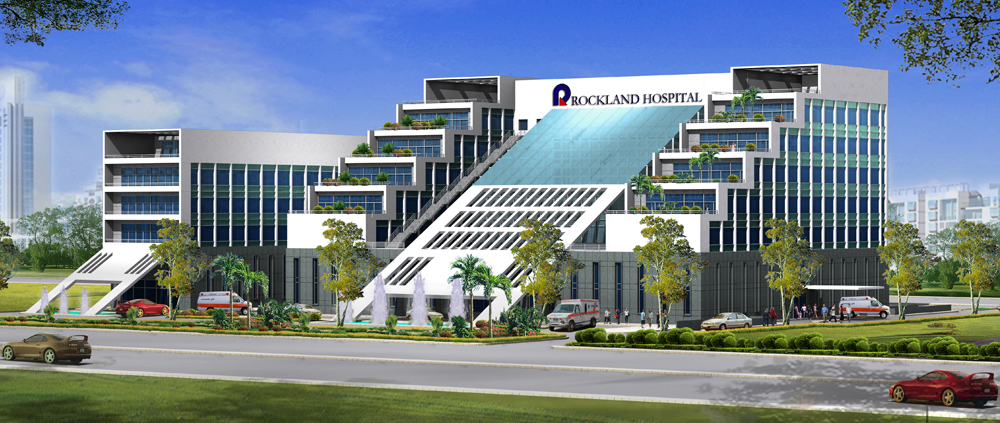
Rockland Qutab, South Delhi, B 33- 34,Qutub Institutional Area, Katwaria Sarai – New Delhi
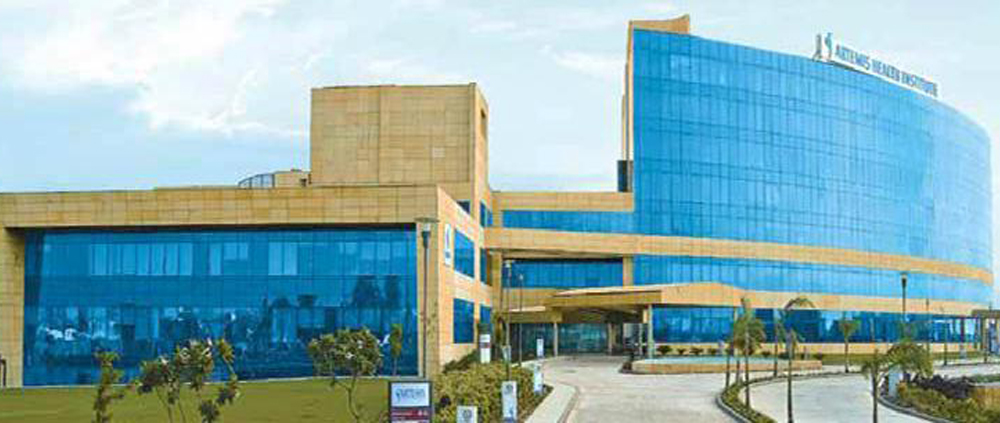
Sector 51 Gurgaon, Haryana 122 017, INDIA
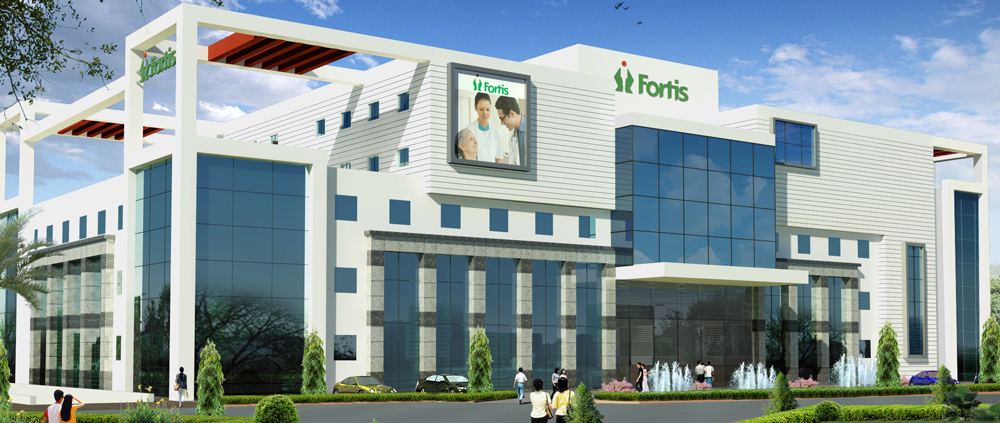
Sector – 44, Opposite HUDA City Centre, Gurgaon, Haryana – 122002, India
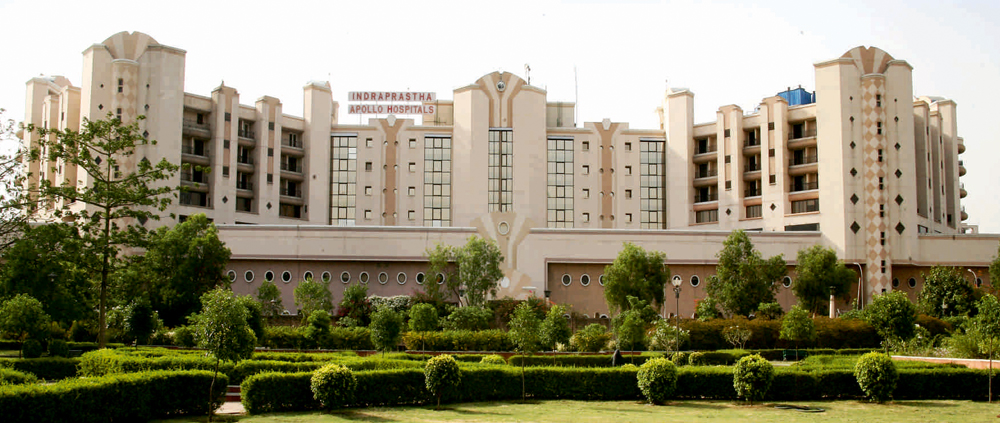
Sarita Vihar, Mathura Road, New Delhi – 110076 , INDIA