2 to 8 hours depending on the severity of scoliosis and the treatment procedure performed.
5 to 10 days in the hospital and 6 to 16 weeks outside the hospital for rehabilitation and recovery.
General anesthesia is commonly used for scoliosis surgery and complex spinal deformity correction procedures.
5,000 USD to 18,000 USD
Scoliosis is a condition characterized by an abnormal sideways curvature of the spine that can affect children, adolescents, and adults. While mild scoliosis may require monitoring and non-surgical treatment, moderate to severe spinal curves can lead to back pain, postural imbalance, breathing difficulties, reduced mobility, and decreased quality of life. India has become one of the leading destinations for advanced and affordable scoliosis treatment, offering world-class spine care, experienced scoliosis surgeons, and modern treatment technologies for international patients.
Thousands of patients travel to India every year seeking affordable scoliosis treatment, faster access to spine specialists, modern hospitals, and personalized care throughout their treatment journey. Leading spine centers in India provide advanced treatments for adolescent idiopathic scoliosis, congenital scoliosis, neuromuscular scoliosis, adult scoliosis, degenerative scoliosis, and complex spinal deformities.
Recent advancements in scoliosis treatment are helping surgeons achieve better spinal correction, improved safety, and faster recovery. Leading hospitals in India now use robotic-assisted spine surgery, AI-supported surgical planning, 3D spinal imaging, intraoperative navigation systems, advanced spinal implants, neuromonitoring technology, minimally invasive scoliosis surgery, and patient-specific surgical planning. These innovations improve surgical precision, reduce complications, preserve spinal function, and enhance long-term outcomes.
One of the biggest advantages of choosing India for scoliosis treatment is affordability. Compared to many international destinations, scoliosis treatment costs in India are significantly lower while maintaining international standards of quality, safety, technology, and patient care. International patients also receive complete medical tourism support including medical visa assistance, airport pickup, accommodation support, interpreter services, and dedicated patient coordinators to ensure a smooth and comfortable treatment experience.
Whether you are looking for scoliosis correction surgery, spinal deformity treatment, pediatric scoliosis care, adult scoliosis treatment, or advanced spine rehabilitation, India offers trusted expertise, modern technology, compassionate support, and a pathway toward better spinal health.
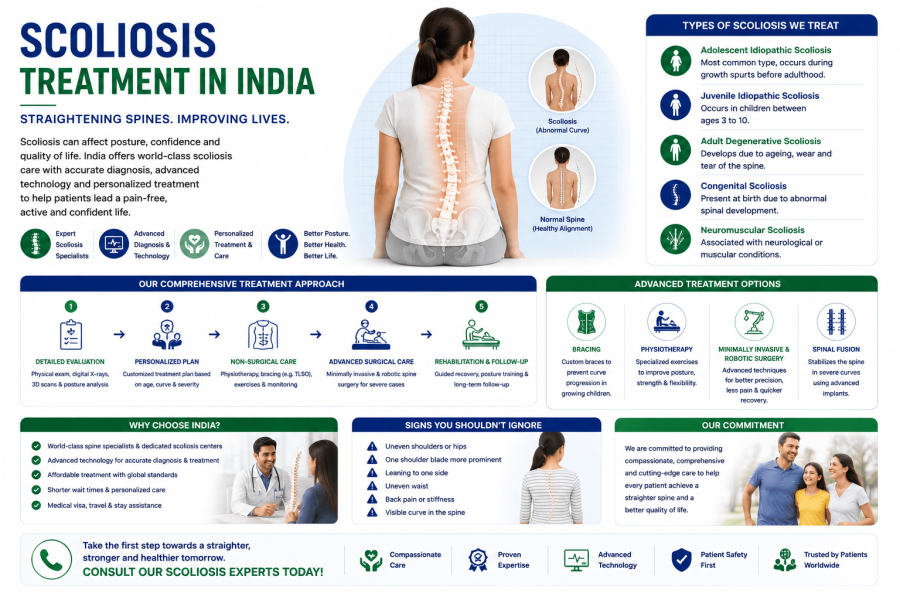
Common symptoms of scoliosis may include:
Early diagnosis can help prevent progression and improve treatment outcomes.
Several factors may increase the risk of scoliosis, including:
Regular spinal screening can help detect scoliosis at an early stage.
Preparation for scoliosis treatment depends on the severity of the spinal curvature and the patient's overall health. Doctors may recommend:
International patients are usually advised to share medical reports and imaging studies before traveling to India for accurate treatment planning.
Scoliosis treatment in India is personalized according to the patient's age, spinal curvature, symptoms, and overall condition.
Mild scoliosis cases may require regular monitoring to assess curve progression.
Specialized spinal braces may help prevent curve progression in growing children and adolescents.
Customized exercise programs help improve posture, flexibility, muscle strength, and spinal stability.
Selected patients may benefit from advanced minimally invasive techniques that reduce tissue damage and recovery time.
The most common surgical treatment for scoliosis, where vertebrae are fused together using rods, screws, and implants to correct spinal alignment.
Advanced robotic systems provide greater surgical precision, improved implant placement, and enhanced patient safety.
Specialized procedures are available for severe scoliosis and complex spinal deformities affecting both children and adults.
India also offers comprehensive rehabilitation and post-surgical recovery programs to support successful outcomes.
Recovery after scoliosis treatment includes:
Most patients experience improved posture, reduced pain, enhanced mobility, and better overall quality of life following treatment.
India has achieved excellent success rates in scoliosis treatment due to advanced spine technology, experienced scoliosis surgeons, modern hospitals, and personalized rehabilitation programs.
Modern advancements such as robotic-assisted spine surgery, AI-supported surgical planning, 3D imaging, intraoperative navigation, advanced spinal implants, neuromonitoring systems, and minimally invasive techniques are helping improve spinal correction, surgical precision, and patient outcomes.
Many patients successfully return to normal daily activities, education, work, and active lifestyles following scoliosis treatment.
Common symptoms of scoliosis may include:
Early diagnosis can help prevent progression and improve treatment outcomes.
Several factors may increase the risk of scoliosis, including:
Regular spinal screening can help detect scoliosis at an early stage.
Preparation for scoliosis treatment depends on the severity of the spinal curvature and the patient's overall health. Doctors may recommend:
International patients are usually advised to share medical reports and imaging studies before traveling to India for accurate treatment planning.
Scoliosis treatment in India is personalized according to the patient's age, spinal curvature, symptoms, and overall condition.
Mild scoliosis cases may require regular monitoring to assess curve progression.
Specialized spinal braces may help prevent curve progression in growing children and adolescents.
Customized exercise programs help improve posture, flexibility, muscle strength, and spinal stability.
Selected patients may benefit from advanced minimally invasive techniques that reduce tissue damage and recovery time.
The most common surgical treatment for scoliosis, where vertebrae are fused together using rods, screws, and implants to correct spinal alignment.
Advanced robotic systems provide greater surgical precision, improved implant placement, and enhanced patient safety.
Specialized procedures are available for severe scoliosis and complex spinal deformities affecting both children and adults.
India also offers comprehensive rehabilitation and post-surgical recovery programs to support successful outcomes.
Recovery after scoliosis treatment includes:
Most patients experience improved posture, reduced pain, enhanced mobility, and better overall quality of life following treatment.
India has achieved excellent success rates in scoliosis treatment due to advanced spine technology, experienced scoliosis surgeons, modern hospitals, and personalized rehabilitation programs.
Modern advancements such as robotic-assisted spine surgery, AI-supported surgical planning, 3D imaging, intraoperative navigation, advanced spinal implants, neuromonitoring systems, and minimally invasive techniques are helping improve spinal correction, surgical precision, and patient outcomes.
Many patients successfully return to normal daily activities, education, work, and active lifestyles following scoliosis treatment.
Yes, scoliosis treatment in India is significantly more affordable compared to many international destinations while maintaining advanced standards of spine care and technology.
Recent advancements include robotic-assisted scoliosis surgery, AI-supported planning, 3D spinal imaging, minimally invasive spine surgery, neuromonitoring technology, and patient-specific surgical planning.
Yes. Mild and moderate scoliosis can often be managed with observation, bracing, physiotherapy, and rehabilitation. Surgery is generally recommended for severe or progressive curves.
Early diagnosis during childhood or adolescence provides the best opportunity to prevent progression and achieve optimal outcomes.
Yes, India is considered one of the leading medical tourism destinations for advanced and affordable scoliosis treatment with experienced spine specialists and modern hospitals.
Yes, international patients receive support with medical visas, airport transfers, accommodation, interpreter services, and treatment coordination.
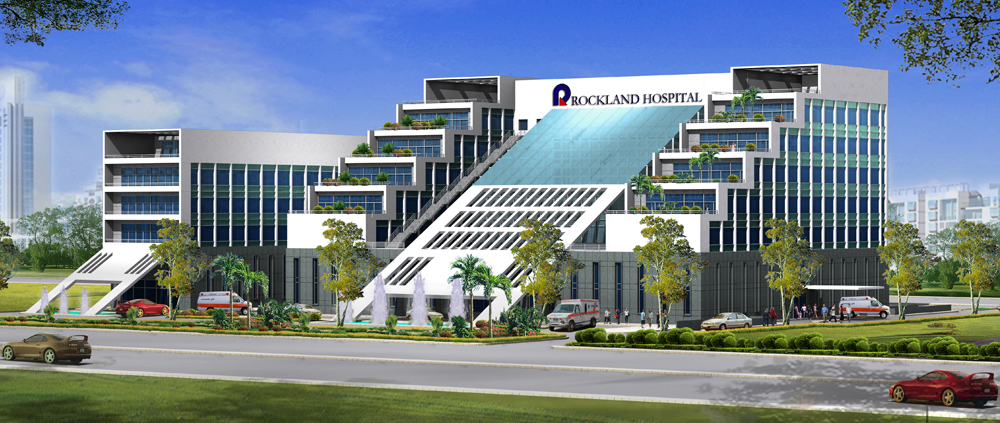
Rockland Qutab, South Delhi, B 33- 34,Qutub Institutional Area, Katwaria Sarai – New Delhi
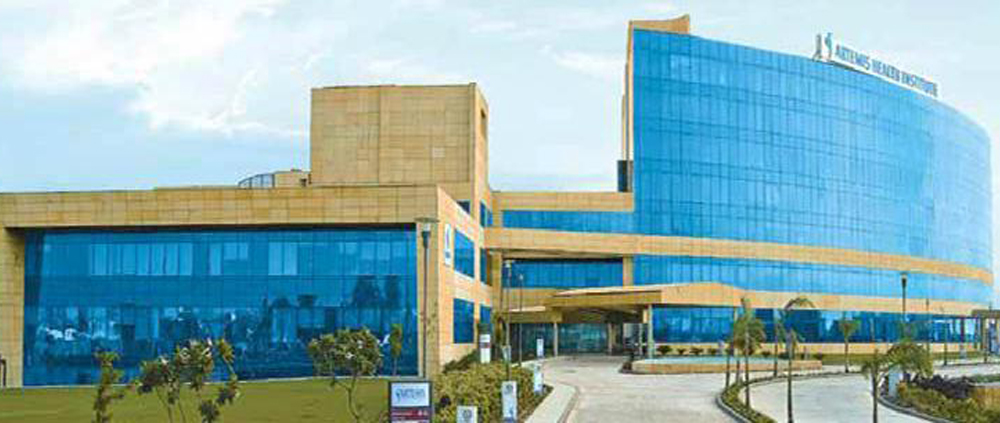
Sector 51 Gurgaon, Haryana 122 017, INDIA
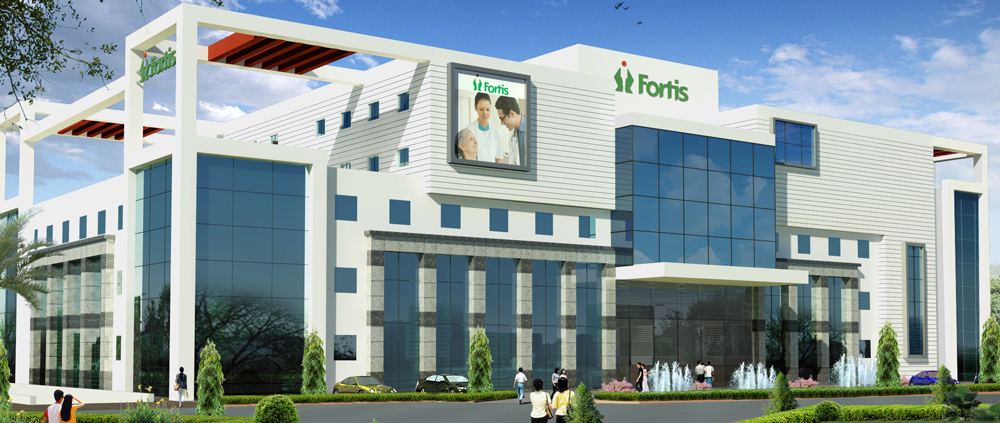
Sector – 44, Opposite HUDA City Centre, Gurgaon, Haryana – 122002, India
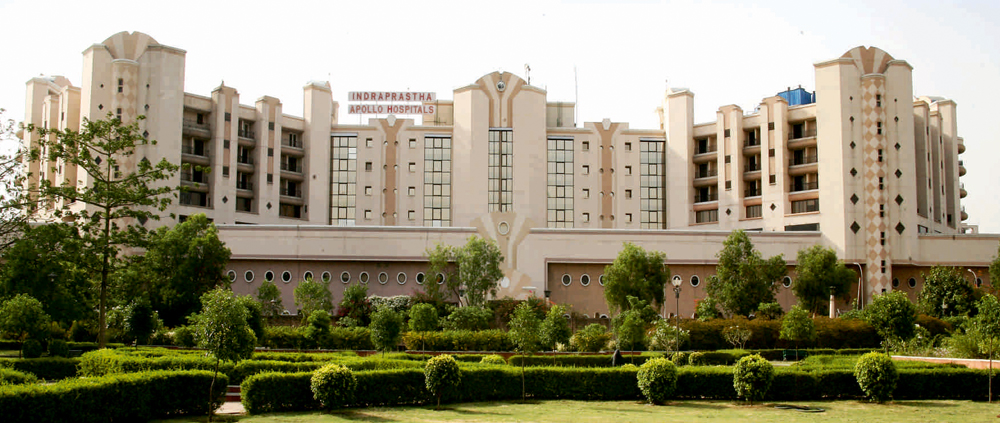
Sarita Vihar, Mathura Road, New Delhi – 110076 , INDIA