
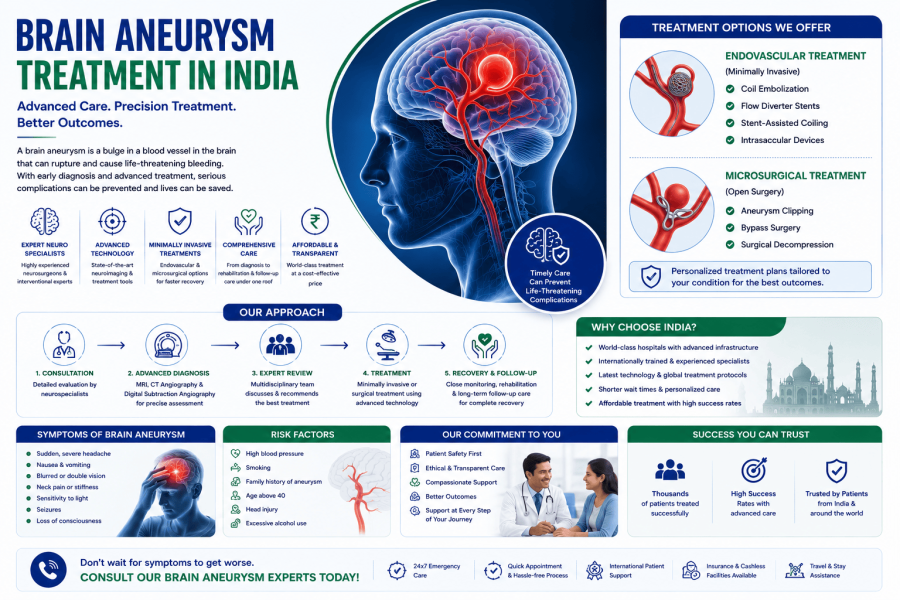
1 to 6 hours depending on the type of aneurysm, treatment method, and complexity of the procedure.
3 to 10 days in the hospital and 2 to 4 weeks in India for recovery, follow-up imaging, and neurological evaluation.
General anesthesia is commonly used for both microsurgical clipping and most endovascular aneurysm procedures.
6,000 to 30,000 USD
A brain aneurysm is a potentially life-threatening condition that occurs when a weakened area in a blood vessel wall within the brain bulges or balloons outward. If left untreated, an aneurysm may rupture, causing a hemorrhagic stroke, brain damage, or other serious neurological complications. With early diagnosis and advanced treatment technologies, many brain aneurysms can now be treated successfully before rupture occurs. India has become one of the leading destinations for advanced and affordable brain aneurysm treatment, offering world-class neurovascular care, experienced neurosurgeons, and modern treatment technologies for international patients.
Thousands of patients travel to India every year seeking affordable brain aneurysm treatment, faster access to neurological specialists, modern hospitals, and personalized treatment plans. Leading neuroscience centers in India provide advanced treatment for unruptured aneurysms, ruptured aneurysms, giant aneurysms, complex aneurysms, and other cerebrovascular conditions.
Recent advancements in brain aneurysm treatment have significantly improved patient safety and outcomes. Leading hospitals in India now use AI-assisted neurovascular imaging, 3D cerebral angiography, minimally invasive endovascular procedures, flow diverter stents, advanced aneurysm coiling techniques, robotic-assisted neuro-intervention, intraoperative neuronavigation, hybrid operating rooms, and precision neurovascular surgery. These innovations help reduce complications, shorten recovery time, and improve long-term success rates.
One of the biggest advantages of choosing India for brain aneurysm treatment is affordability. Compared to many international destinations, treatment costs in India are significantly lower while maintaining international standards of quality, safety, technology, and patient care. International patients also receive complete medical tourism support including online consultations, treatment planning, medical visa assistance, airport transfers, accommodation support, interpreter services, and dedicated patient coordinators.
Whether you are seeking treatment for a cerebral aneurysm, ruptured brain aneurysm, giant aneurysm, or complex neurovascular condition, India offers advanced treatment options, expert care, and renewed hope for recovery.
Many brain aneurysms may not cause symptoms until they enlarge or rupture.
Common symptoms may include:
Immediate medical attention is required if an aneurysm rupture is suspected.
Several factors may increase the risk of developing a brain aneurysm, including:
Managing risk factors can help reduce the likelihood of aneurysm formation and rupture.
Before treatment, specialists perform detailed evaluations to assess the size, location, and risk of the aneurysm.
Diagnostic tests may include:
International patients are encouraged to share medical reports before travel for personalized treatment planning.
Brain aneurysm treatment in India is customized according to the aneurysm's size, location, shape, and rupture status.
A minimally invasive procedure where tiny coils are placed inside the aneurysm to prevent blood flow and reduce rupture risk.
One of the most significant advancements in aneurysm treatment. Special flow-diverting stents redirect blood flow away from the aneurysm, promoting natural healing of the blood vessel.
Advanced stent technology is used alongside coiling to treat complex and wide-neck aneurysms.
A highly effective surgical procedure where a small clip is placed at the base of the aneurysm to stop blood flow into the weakened area.
Advanced robotic technologies help improve precision during selected neurovascular interventions.
Modern hybrid operating rooms allow surgeons to combine surgical and endovascular techniques for complex aneurysm treatment.
Immediate intervention is performed to stop bleeding, prevent re-bleeding, and reduce neurological complications.
Recovery after brain aneurysm treatment depends on the complexity of the condition and the treatment performed.
Post-treatment care may include:
Most patients can gradually return to normal activities following successful treatment and recovery.
India has achieved excellent outcomes in brain aneurysm treatment due to advanced neurovascular technology, experienced neurosurgeons, and personalized treatment approaches.
Modern innovations such as flow diverter stents, AI-assisted imaging, robotic-assisted interventions, 3D angiography, advanced coiling systems, hybrid operating rooms, and minimally invasive endovascular procedures are helping improve treatment success, reduce complications, and preserve neurological function.
Early diagnosis and timely treatment significantly improve long-term outcomes and survival rates.
Many brain aneurysms may not cause symptoms until they enlarge or rupture.
Common symptoms may include:
Immediate medical attention is required if an aneurysm rupture is suspected.
Several factors may increase the risk of developing a brain aneurysm, including:
Managing risk factors can help reduce the likelihood of aneurysm formation and rupture.
Before treatment, specialists perform detailed evaluations to assess the size, location, and risk of the aneurysm.
Diagnostic tests may include:
International patients are encouraged to share medical reports before travel for personalized treatment planning.
Brain aneurysm treatment in India is customized according to the aneurysm's size, location, shape, and rupture status.
A minimally invasive procedure where tiny coils are placed inside the aneurysm to prevent blood flow and reduce rupture risk.
One of the most significant advancements in aneurysm treatment. Special flow-diverting stents redirect blood flow away from the aneurysm, promoting natural healing of the blood vessel.
Advanced stent technology is used alongside coiling to treat complex and wide-neck aneurysms.
A highly effective surgical procedure where a small clip is placed at the base of the aneurysm to stop blood flow into the weakened area.
Advanced robotic technologies help improve precision during selected neurovascular interventions.
Modern hybrid operating rooms allow surgeons to combine surgical and endovascular techniques for complex aneurysm treatment.
Immediate intervention is performed to stop bleeding, prevent re-bleeding, and reduce neurological complications.
Recovery after brain aneurysm treatment depends on the complexity of the condition and the treatment performed.
Post-treatment care may include:
Most patients can gradually return to normal activities following successful treatment and recovery.
India has achieved excellent outcomes in brain aneurysm treatment due to advanced neurovascular technology, experienced neurosurgeons, and personalized treatment approaches.
Modern innovations such as flow diverter stents, AI-assisted imaging, robotic-assisted interventions, 3D angiography, advanced coiling systems, hybrid operating rooms, and minimally invasive endovascular procedures are helping improve treatment success, reduce complications, and preserve neurological function.
Early diagnosis and timely treatment significantly improve long-term outcomes and survival rates.
Yes. Brain aneurysm treatment in India is significantly more affordable than in many countries while maintaining international standards of care and technology.
Recent advancements include flow diverter stents, AI-assisted imaging, robotic-assisted neurovascular procedures, advanced coiling systems, hybrid operating rooms, 3D cerebral angiography, and minimally invasive endovascular treatments.
Yes. Many aneurysms can now be treated using minimally invasive endovascular techniques such as coiling and flow diverter stent placement.
Yes. A ruptured aneurysm requires immediate medical attention and urgent treatment to prevent serious complications or death.
Yes. India is recognized globally for advanced neurovascular care, experienced neurosurgeons, modern technology, and affordable treatment options.
Yes. International patients receive complete support including treatment planning, medical visa assistance, accommodation arrangements, interpreter services, and post-treatment follow-up.
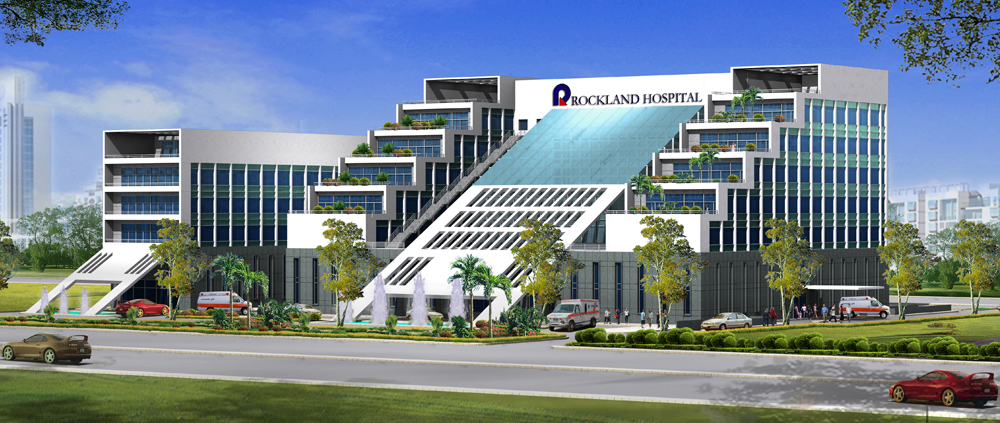
Rockland Qutab, South Delhi, B 33- 34,Qutub Institutional Area, Katwaria Sarai – New Delhi
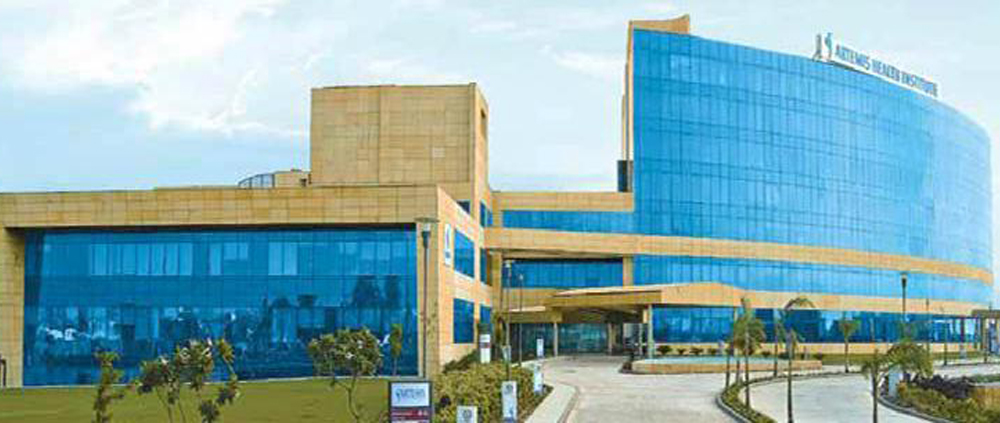
Sector 51 Gurgaon, Haryana 122 017, INDIA
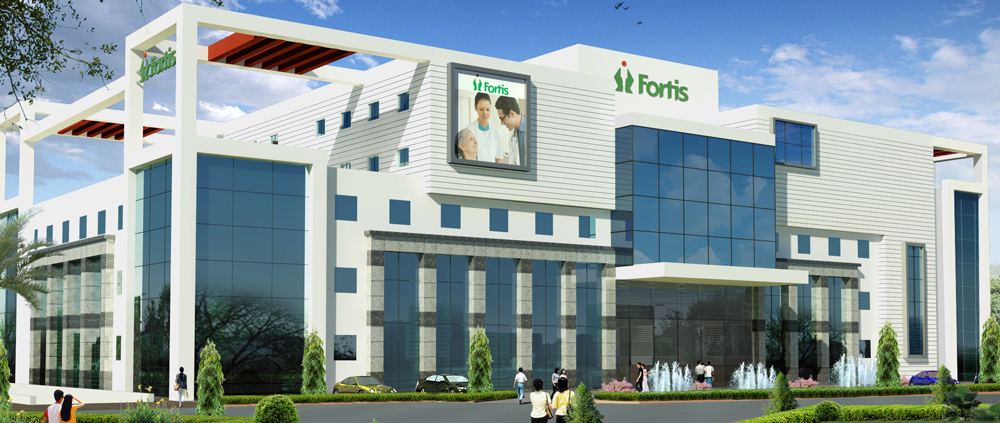
Sector – 44, Opposite HUDA City Centre, Gurgaon, Haryana – 122002, India
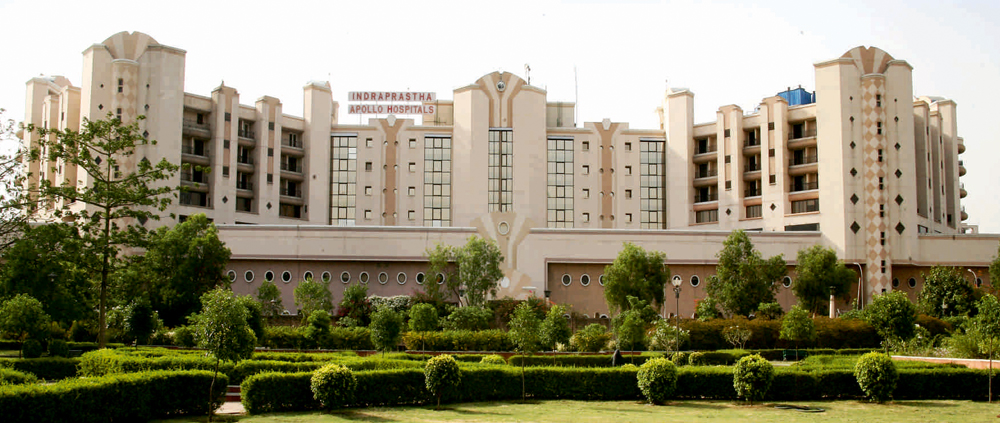
Sarita Vihar, Mathura Road, New Delhi – 110076 , INDIA