
30 minutes to 8 hours depending on the treatment approach. Medication consultations may take less than an hour, while DBS surgery typically takes 4 to 8 hours.
3 to 10 days in the hospital and 2 to 4 weeks in India for treatment, DBS programming, rehabilitation, and follow-up evaluation.
Treatment may involve local anesthesia, conscious sedation, or general anesthesia depending on the procedure performed.
3,000 USD to 35,000 USD
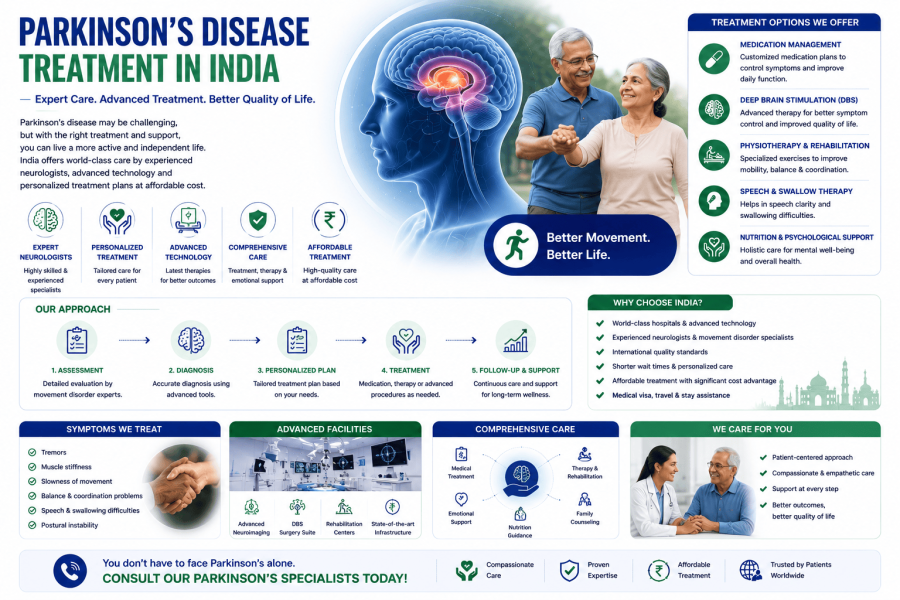
Parkinson’s disease is a progressive neurological disorder that affects movement, balance, coordination, and daily activities. It occurs when nerve cells in the brain gradually lose their ability to produce dopamine, a chemical responsible for controlling movement. Although Parkinson’s disease cannot currently be cured, significant advancements in medical science have made it possible to effectively manage symptoms, improve mobility, and enhance quality of life. India has become one of the leading destinations for advanced and affordable Parkinson’s disease treatment, offering world-class neurological care, experienced movement disorder specialists, and modern treatment technologies for international patients.
Thousands of patients travel to India every year seeking affordable Parkinson’s disease treatment, faster access to neurological specialists, modern hospitals, and personalized treatment plans. Leading neuroscience centers in India provide comprehensive treatment through medication management, Deep Brain Stimulation (DBS) surgery, advanced rehabilitation, physiotherapy, speech therapy, and multidisciplinary neurological care.
Recent advancements in Parkinson’s disease treatment are transforming patient outcomes. Leading hospitals in India now use AI-assisted neurological assessments, Deep Brain Stimulation (DBS), robotic-assisted DBS surgery, adaptive or closed-loop DBS systems, focused ultrasound therapy, wearable movement monitoring devices, precision brain imaging, gene-targeted research, and personalized treatment planning. These innovations help improve symptom control, reduce medication side effects, and enhance long-term quality of life.
One of the biggest advantages of choosing India for Parkinson’s disease treatment is affordability. Compared to many international destinations, treatment costs in India are significantly lower while maintaining international standards of quality, safety, and patient care. International patients also receive complete medical tourism support including online consultations, treatment planning, medical visa assistance, airport transfers, accommodation support, interpreter services, and dedicated patient coordinators.
Whether you are seeking treatment for early-stage Parkinson’s disease, advanced Parkinson’s disease, tremor-dominant Parkinson’s, or movement disorders requiring DBS surgery, India offers advanced treatment options, expert care, and renewed hope for a more independent life.
Parkinson’s disease symptoms may develop gradually and worsen over time.
Common symptoms include:
Early diagnosis and treatment can help slow symptom progression and improve quality of life.
Several factors may increase the risk of developing Parkinson’s disease, including:
The exact cause of Parkinson’s disease remains unknown in many patients.
Before treatment, specialists perform detailed neurological assessments to determine the severity and progression of the disease.
Diagnostic tests may include:
International patients are encouraged to share their medical reports before travel for personalized treatment planning.
Parkinson’s disease treatment in India is customized according to symptom severity, disease progression, and patient needs.
Advanced medications help increase dopamine activity in the brain and improve movement-related symptoms.
DBS is one of the most effective treatments for patients whose symptoms are no longer adequately controlled by medication.
Advanced robotic systems improve precision during electrode placement and enhance surgical outcomes.
Next-generation DBS systems automatically adjust stimulation levels according to brain activity for more personalized treatment.
A non-invasive treatment option for selected patients with severe tremors and movement disorders.
Specialized therapy programs help improve balance, mobility, strength, and independence.
Speech therapists help manage communication and swallowing difficulties that may develop during disease progression.
Programs designed to improve daily functioning and maintain independence.
Recovery and long-term management may include:
A multidisciplinary approach helps patients maintain mobility and quality of life for as long as possible.
India has achieved excellent outcomes in Parkinson’s disease treatment due to advanced neuroscience technology, experienced movement disorder specialists, and personalized treatment approaches.
Modern innovations such as robotic-assisted DBS, adaptive neurostimulation, AI-assisted neurological assessments, wearable monitoring devices, focused ultrasound therapy, and precision brain imaging are helping improve symptom control and long-term patient outcomes.
Many patients experience significant improvements in tremors, mobility, stiffness, and daily functioning following advanced treatment.
Parkinson’s disease symptoms may develop gradually and worsen over time.
Common symptoms include:
Early diagnosis and treatment can help slow symptom progression and improve quality of life.
Several factors may increase the risk of developing Parkinson’s disease, including:
The exact cause of Parkinson’s disease remains unknown in many patients.
Before treatment, specialists perform detailed neurological assessments to determine the severity and progression of the disease.
Diagnostic tests may include:
International patients are encouraged to share their medical reports before travel for personalized treatment planning.
Parkinson’s disease treatment in India is customized according to symptom severity, disease progression, and patient needs.
Advanced medications help increase dopamine activity in the brain and improve movement-related symptoms.
DBS is one of the most effective treatments for patients whose symptoms are no longer adequately controlled by medication.
Advanced robotic systems improve precision during electrode placement and enhance surgical outcomes.
Next-generation DBS systems automatically adjust stimulation levels according to brain activity for more personalized treatment.
A non-invasive treatment option for selected patients with severe tremors and movement disorders.
Specialized therapy programs help improve balance, mobility, strength, and independence.
Speech therapists help manage communication and swallowing difficulties that may develop during disease progression.
Programs designed to improve daily functioning and maintain independence.
Recovery and long-term management may include:
A multidisciplinary approach helps patients maintain mobility and quality of life for as long as possible.
India has achieved excellent outcomes in Parkinson’s disease treatment due to advanced neuroscience technology, experienced movement disorder specialists, and personalized treatment approaches.
Modern innovations such as robotic-assisted DBS, adaptive neurostimulation, AI-assisted neurological assessments, wearable monitoring devices, focused ultrasound therapy, and precision brain imaging are helping improve symptom control and long-term patient outcomes.
Many patients experience significant improvements in tremors, mobility, stiffness, and daily functioning following advanced treatment.
Yes. Parkinson’s disease treatment in India is significantly more affordable than in many countries while maintaining international standards of care and technology.
Recent advancements include Deep Brain Stimulation (DBS), robotic-assisted DBS surgery, adaptive DBS systems, focused ultrasound therapy, AI-assisted neurological assessments, wearable monitoring technology, and precision brain imaging.
Currently, there is no permanent cure for Parkinson’s disease. However, modern treatments can effectively manage symptoms and improve quality of life.
Patients with advanced Parkinson’s disease whose symptoms are not adequately controlled with medication may be suitable candidates for DBS surgery.
Yes. India is recognized globally for advanced neurology care, experienced movement disorder specialists, modern technology, and affordable treatment options.
Yes. International patients receive complete support including treatment planning, medical visa assistance, accommodation arrangements, interpreter services, and post-treatment follow-up.
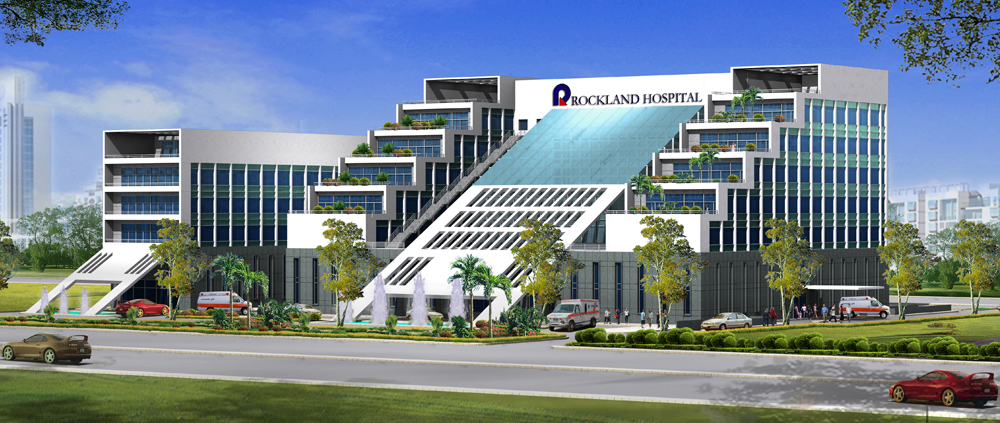
Rockland Qutab, South Delhi, B 33- 34,Qutub Institutional Area, Katwaria Sarai – New Delhi
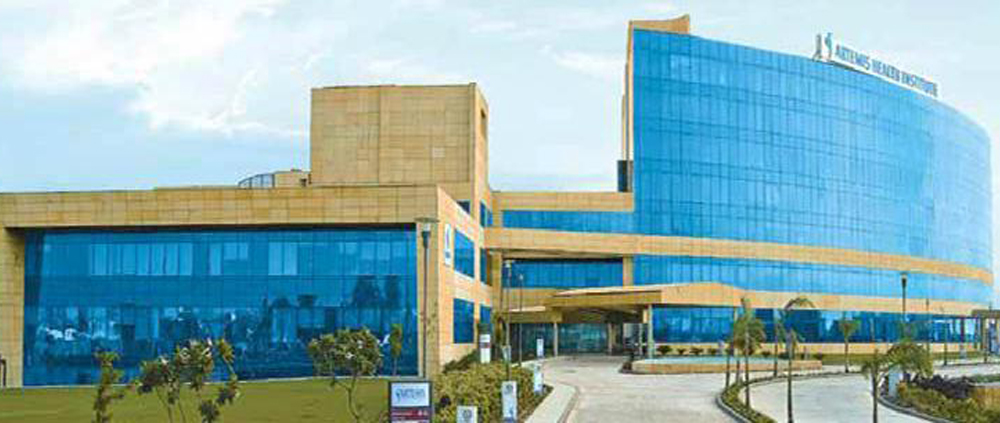
Sector 51 Gurgaon, Haryana 122 017, INDIA
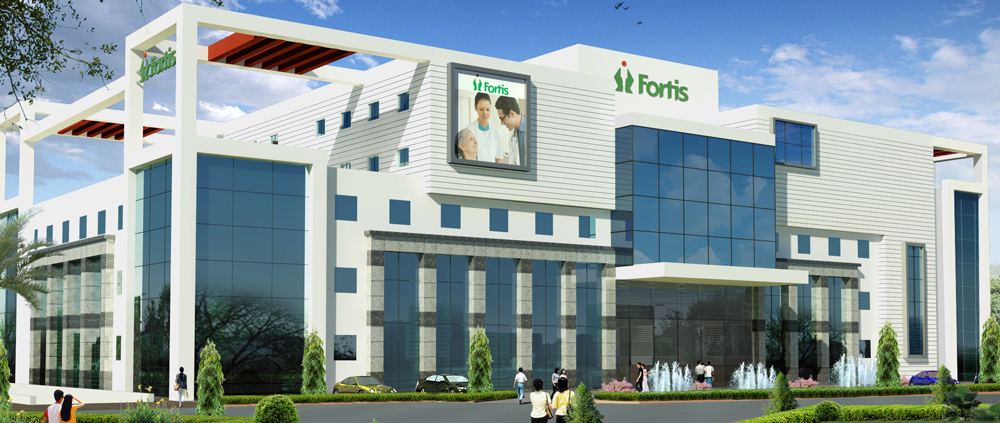
Sector – 44, Opposite HUDA City Centre, Gurgaon, Haryana – 122002, India
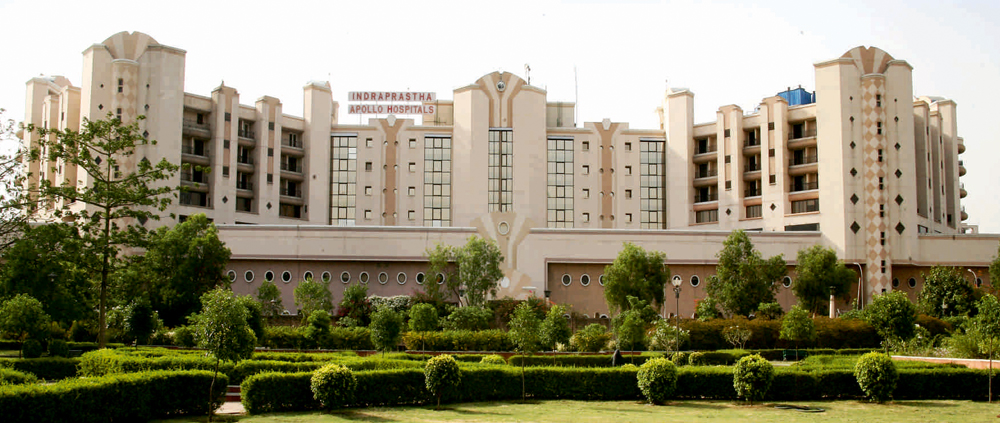
Sarita Vihar, Mathura Road, New Delhi – 110076 , INDIA