
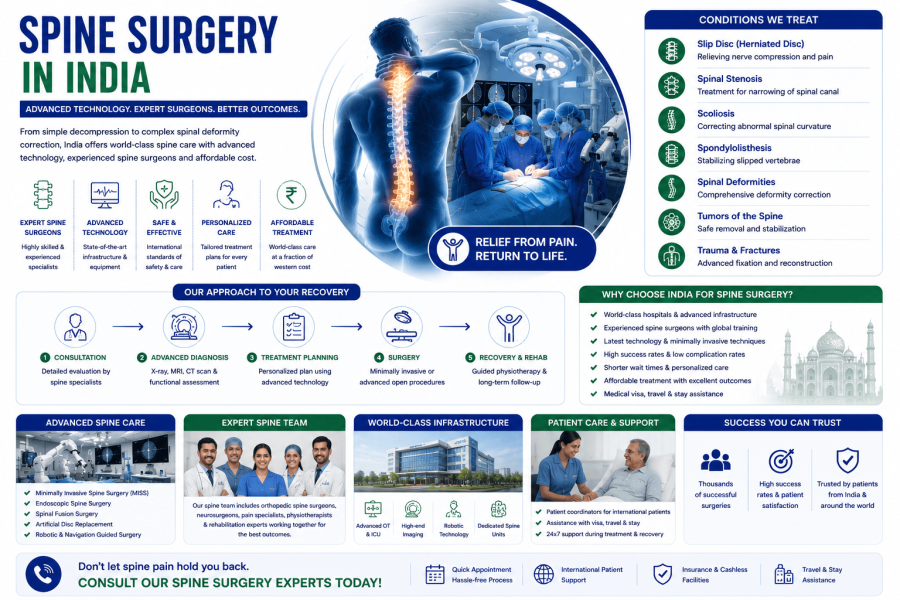
Usually takes 1 to 8 hours depending on the type of spine surgery and complexity of the condition.
Usually 3 to 10 days in the hospital and 2 to 6 weeks in India for recovery, rehabilitation, and follow-up evaluation.
General anesthesia is commonly used for most spine surgery procedures. Some minimally invasive procedures may use regional anesthesia depending on the condition.
4,000 to 15,000 USD
Spine disorders can significantly impact mobility, independence, and quality of life, causing chronic back pain, neck pain, nerve compression, weakness, and difficulty performing everyday activities. While many spine conditions can be managed with medication and physiotherapy, some patients require advanced surgical intervention to restore function and relieve pain. India has become one of the leading destinations for advanced and affordable spine surgery, offering world-class spine care, experienced neurosurgeons and orthopedic spine surgeons, and modern treatment technologies for international patients.
Thousands of patients travel to India every year seeking affordable spine surgery, faster access to specialists, modern hospitals, and personalized treatment plans. Leading spine centers in India provide advanced treatments for slipped discs, spinal stenosis, scoliosis, spinal tumors, cervical spine disorders, lumbar spine conditions, spinal fractures, and complex spinal deformities.
Recent advancements in spine surgery have transformed patient outcomes. Leading hospitals in India now use robotic-assisted spine surgery, AI-assisted surgical planning, 3D spinal navigation systems, intraoperative CT imaging, neuro-monitoring technology, endoscopic spine surgery, minimally invasive spine surgery (MISS), motion-preserving disc replacement, and patient-specific implants. These innovations improve surgical precision, reduce complications, minimize blood loss, shorten recovery time, and help patients return to normal activities faster.
One of the biggest advantages of choosing India for spine surgery is affordability. Compared to many international destinations, spine surgery costs in India are significantly lower while maintaining international standards of quality, safety, and patient care. International patients also receive complete medical tourism support including online consultations, medical visa assistance, airport transfers, accommodation support, interpreter services, and dedicated patient coordinators.
Whether you are seeking treatment for a slipped disc, spinal stenosis, scoliosis, spinal tumor, cervical spondylosis, lumbar disc disease, or complex spinal disorders, India offers advanced treatment options, expert care, and renewed hope for a pain-free life.
Common symptoms that may indicate the need for spine treatment include:
Early diagnosis can prevent permanent nerve damage and improve treatment outcomes.
Several factors may increase the risk of spinal disorders, including:
Maintaining spinal health and seeking early treatment can help reduce complications.
Before spine surgery, specialists perform detailed evaluations to identify the exact cause of symptoms.
Diagnostic tests may include:
International patients are encouraged to share medical reports before travel for personalized treatment planning.
Spine surgery in India is customized according to the patient's condition and severity of spinal damage.
Advanced small-incision procedures help reduce pain, blood loss, and recovery time while preserving healthy tissues.
A highly advanced technique using tiny cameras and specialized instruments to treat spinal disorders through very small incisions.
Removal of herniated disc material causing nerve compression and severe pain.
Two or more vertebrae are permanently joined to stabilize the spine and relieve pain.
Motion-preserving technology replaces damaged spinal discs while maintaining natural movement.
Advanced procedures are performed to treat neck-related spinal conditions and nerve compression.
Specialized surgery designed to correct abnormal spinal curvature and improve posture.
Modern robotic systems provide exceptional surgical accuracy and improved implant placement.
Advanced microsurgical and minimally invasive techniques help remove spinal tumors while preserving neurological function.
Recovery after spine surgery depends on the complexity of the procedure and patient condition.
Post-treatment care may include:
Most patients experience significant improvement in pain, mobility, and overall quality of life after treatment.
India has achieved excellent outcomes in spine surgery due to advanced surgical technology, experienced spine specialists, and personalized treatment approaches.
Modern innovations such as robotic-assisted surgery, AI-assisted planning, 3D navigation systems, intraoperative imaging, endoscopic spine surgery, neuro-monitoring technology, and motion-preserving implants are helping improve surgical accuracy, reduce complications, and enhance long-term patient outcomes.
Patients undergoing early intervention often achieve faster recovery and better long-term spinal health.
Common symptoms that may indicate the need for spine treatment include:
Early diagnosis can prevent permanent nerve damage and improve treatment outcomes.
Several factors may increase the risk of spinal disorders, including:
Maintaining spinal health and seeking early treatment can help reduce complications.
Before spine surgery, specialists perform detailed evaluations to identify the exact cause of symptoms.
Diagnostic tests may include:
International patients are encouraged to share medical reports before travel for personalized treatment planning.
Spine surgery in India is customized according to the patient's condition and severity of spinal damage.
Advanced small-incision procedures help reduce pain, blood loss, and recovery time while preserving healthy tissues.
A highly advanced technique using tiny cameras and specialized instruments to treat spinal disorders through very small incisions.
Removal of herniated disc material causing nerve compression and severe pain.
Two or more vertebrae are permanently joined to stabilize the spine and relieve pain.
Motion-preserving technology replaces damaged spinal discs while maintaining natural movement.
Advanced procedures are performed to treat neck-related spinal conditions and nerve compression.
Specialized surgery designed to correct abnormal spinal curvature and improve posture.
Modern robotic systems provide exceptional surgical accuracy and improved implant placement.
Advanced microsurgical and minimally invasive techniques help remove spinal tumors while preserving neurological function.
Recovery after spine surgery depends on the complexity of the procedure and patient condition.
Post-treatment care may include:
Most patients experience significant improvement in pain, mobility, and overall quality of life after treatment.
India has achieved excellent outcomes in spine surgery due to advanced surgical technology, experienced spine specialists, and personalized treatment approaches.
Modern innovations such as robotic-assisted surgery, AI-assisted planning, 3D navigation systems, intraoperative imaging, endoscopic spine surgery, neuro-monitoring technology, and motion-preserving implants are helping improve surgical accuracy, reduce complications, and enhance long-term patient outcomes.
Patients undergoing early intervention often achieve faster recovery and better long-term spinal health.
Yes. Spine surgery in India is significantly more affordable than in many countries while maintaining international standards of care and technology.
Recent advancements include robotic-assisted spine surgery, endoscopic spine surgery, AI-assisted planning, 3D navigation systems, intraoperative CT imaging, neuro-monitoring technology, artificial disc replacement, and minimally invasive procedures.
Many spine conditions can initially be managed with medication, physiotherapy, rehabilitation, and pain management. Surgery is recommended when conservative treatments fail.
Recovery varies depending on the procedure. Many patients return to light activities within a few weeks, while complete recovery may take several months.
Yes. India is recognized globally for advanced spine care, experienced surgeons, modern hospitals, and affordable treatment options.
Yes. International patients receive complete support including treatment planning, medical visa assistance, accommodation arrangements, interpreter services, and post-treatment follow-up.
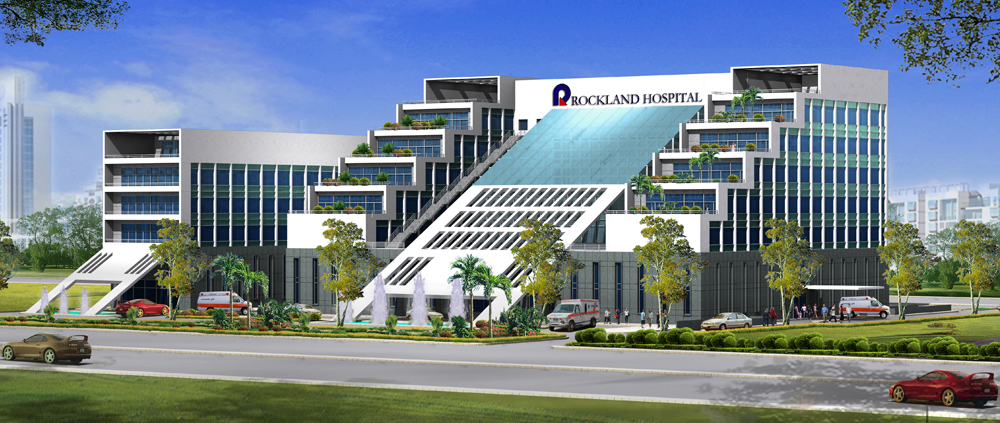
Rockland Qutab, South Delhi, B 33- 34,Qutub Institutional Area, Katwaria Sarai – New Delhi
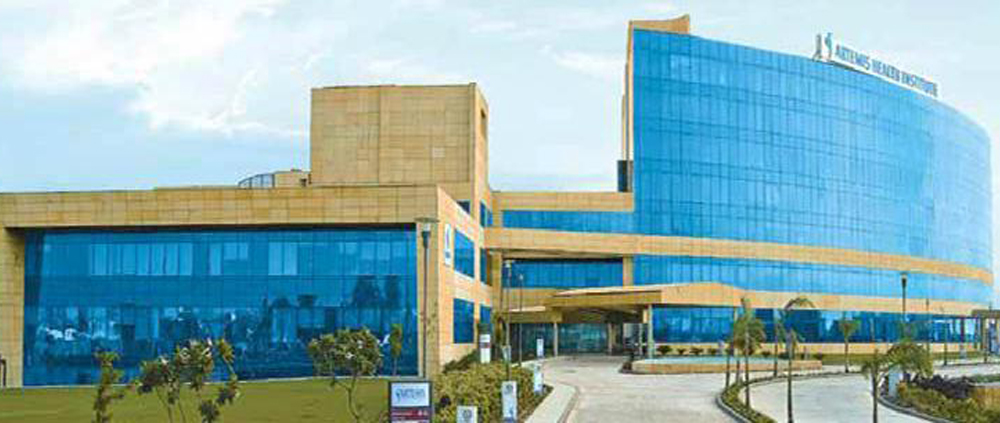
Sector 51 Gurgaon, Haryana 122 017, INDIA
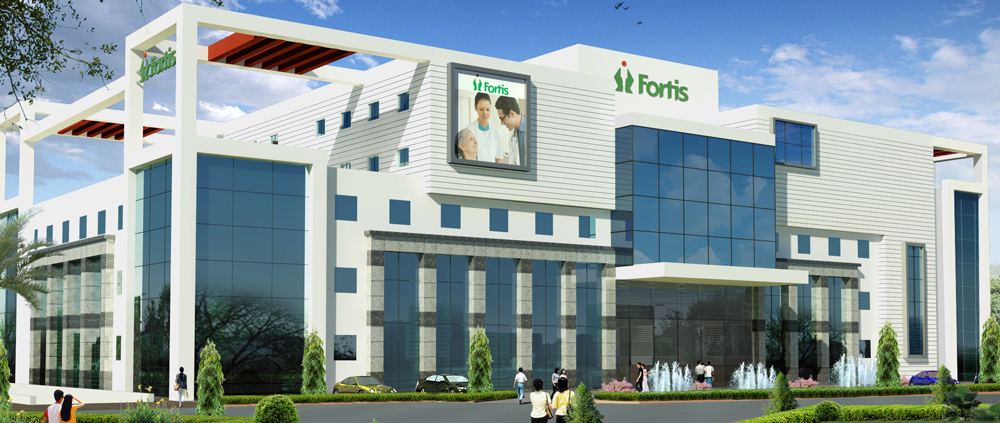
Sector – 44, Opposite HUDA City Centre, Gurgaon, Haryana – 122002, India
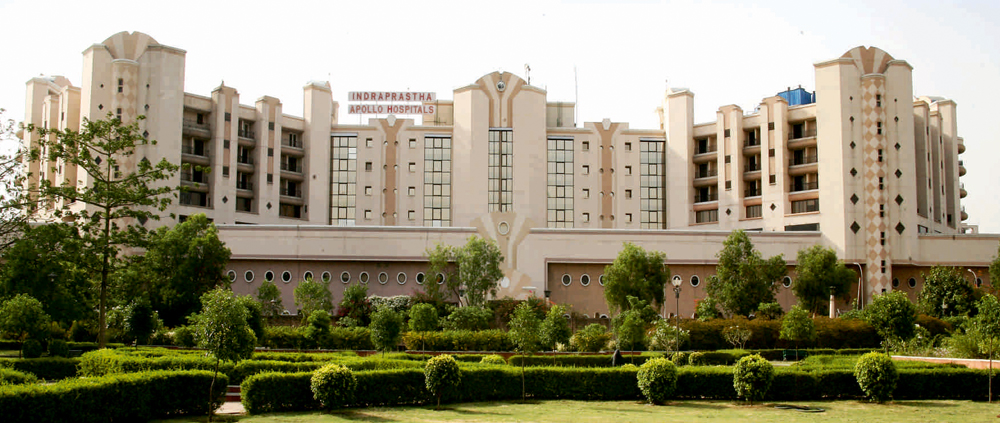
Sarita Vihar, Mathura Road, New Delhi – 110076 , INDIA