
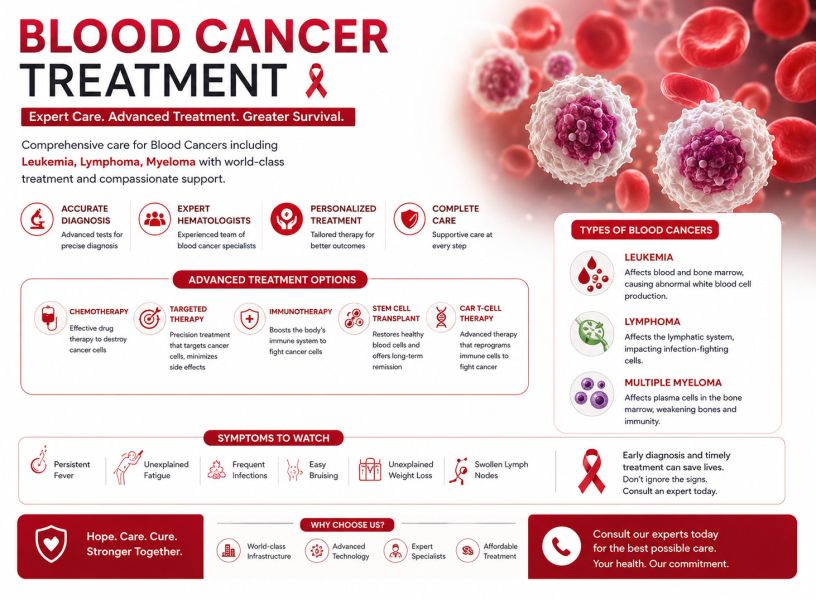
It takes several weeks to months depending on the type of blood cancer and treatment plan.
7 to 30 days in the hospital depending on the treatment procedure, followed by regular follow-up care and monitoring.
General anesthesia may be required for procedures such as bone marrow transplant or biopsy procedures.
6000 USD to 35000 USD
Blood cancer affects the production and function of blood cells and can develop in the bone marrow, lymphatic system, or blood itself. With early diagnosis and advanced treatment, many blood cancer patients today achieve successful recovery and improved quality of life. India has become one of the leading destinations for advanced and affordable blood cancer treatment, offering world-class hematology and oncology care, experienced specialists, and modern treatment technologies for international patients.
Thousands of patients travel to India every year seeking affordable blood cancer treatment, faster access to specialist consultations, modern hospitals, and personalized care throughout their treatment journey. Leading cancer hospitals in India provide advanced treatments such as chemotherapy, immunotherapy, targeted therapy, bone marrow transplant, CAR T-cell therapy, precision oncology, radiation therapy, and advanced supportive care for blood cancer patients.
Recent advancements in blood cancer treatment are helping doctors provide more personalized and effective care with improved survival outcomes. Leading hospitals in India now use AI-supported diagnostics, molecular diagnostics, genetic profiling, precision medicine, targeted therapies, immunotherapy, advanced bone marrow transplant technologies, and CAR T-cell therapy for accurate diagnosis and personalized treatment planning. New developments in stem cell therapy and minimally toxic targeted treatments are also improving recovery outcomes while reducing side effects and hospital stay.
One of the biggest advantages of choosing India for blood cancer treatment is affordability. Compared to many international destinations, blood cancer treatment costs in India are significantly lower while maintaining international standards of quality, safety, hygiene, and patient care. International patients also receive complete medical tourism support including medical visa assistance, airport pickup, accommodation support, interpreter services, and dedicated patient coordinators to ensure a smooth and comfortable treatment experience.
Whether you are looking for leukemia treatment, lymphoma treatment, multiple myeloma treatment, bone marrow transplant, CAR T-cell therapy, or advanced hematology care, India offers trusted expertise, modern technology, compassionate support, and renewed hope for recovery.
Common symptoms of blood cancer may include:
Early diagnosis plays an important role in improving blood cancer treatment outcomes.
Several factors may increase the risk of developing blood cancer, including:
Regular health checkups and early medical consultation may help in timely diagnosis and treatment.
Preparation for blood cancer treatment depends on the type and stage of cancer as well as the patient’s overall health condition. Doctors may recommend:
International patients are usually advised to share medical reports in advance for proper treatment planning before traveling to India.
Blood cancer treatment in India is personalized according to the type, stage, and spread of cancer. Common treatment options include:
Chemotherapy uses anti-cancer medicines to destroy cancer cells and control cancer growth.
Modern immunotherapy helps the immune system identify and attack cancer cells more effectively.
Targeted medicines attack specific cancer-related proteins while minimizing damage to healthy cells.
Bone marrow or stem cell transplant replaces damaged blood-forming cells with healthy stem cells to restore normal blood production.
Advanced CAR T-cell therapy uses modified immune cells to target and destroy certain blood cancers more effectively.
Radiation therapy may be used in selected cases to destroy cancer cells and control disease spread.
India also offers advanced precision oncology and personalized treatment approaches that help improve treatment outcomes and reduce complications.
Recovery after blood cancer treatment depends on the type of treatment and the patient’s overall health condition. After treatment, patients may require:
Proper follow-up care and medical guidance are important for long-term recovery and monitoring.
India has achieved excellent success rates in blood cancer treatment due to advanced medical technology, experienced hematologists, modern cancer hospitals, and personalized treatment approaches. Early diagnosis and access to advanced therapies significantly improve treatment outcomes and long-term survival.
Modern advancements such as CAR T-cell therapy, precision oncology, targeted therapy, bone marrow transplant technologies, and AI-supported diagnostics are helping improve recovery rates and quality of life for blood cancer patients.
Common symptoms of blood cancer may include:
Early diagnosis plays an important role in improving blood cancer treatment outcomes.
Several factors may increase the risk of developing blood cancer, including:
Regular health checkups and early medical consultation may help in timely diagnosis and treatment.
Preparation for blood cancer treatment depends on the type and stage of cancer as well as the patient’s overall health condition. Doctors may recommend:
International patients are usually advised to share medical reports in advance for proper treatment planning before traveling to India.
Blood cancer treatment in India is personalized according to the type, stage, and spread of cancer. Common treatment options include:
Chemotherapy uses anti-cancer medicines to destroy cancer cells and control cancer growth.
Modern immunotherapy helps the immune system identify and attack cancer cells more effectively.
Targeted medicines attack specific cancer-related proteins while minimizing damage to healthy cells.
Bone marrow or stem cell transplant replaces damaged blood-forming cells with healthy stem cells to restore normal blood production.
Advanced CAR T-cell therapy uses modified immune cells to target and destroy certain blood cancers more effectively.
Radiation therapy may be used in selected cases to destroy cancer cells and control disease spread.
India also offers advanced precision oncology and personalized treatment approaches that help improve treatment outcomes and reduce complications.
Recovery after blood cancer treatment depends on the type of treatment and the patient’s overall health condition. After treatment, patients may require:
Proper follow-up care and medical guidance are important for long-term recovery and monitoring.
India has achieved excellent success rates in blood cancer treatment due to advanced medical technology, experienced hematologists, modern cancer hospitals, and personalized treatment approaches. Early diagnosis and access to advanced therapies significantly improve treatment outcomes and long-term survival.
Modern advancements such as CAR T-cell therapy, precision oncology, targeted therapy, bone marrow transplant technologies, and AI-supported diagnostics are helping improve recovery rates and quality of life for blood cancer patients.
Yes, blood cancer treatment in India is significantly more affordable compared to many international destinations while maintaining advanced standards of medical care and technology.
Recent advancements include CAR T-cell therapy, bone marrow transplant technology, immunotherapy, targeted therapy, genetic profiling, precision medicine, and AI-supported diagnostics.
Treatment duration depends on the type and stage of blood cancer. Some patients may require short-term treatment, while others may need long-term therapy or bone marrow transplant.
Yes, India is considered one of the leading medical tourism destinations for advanced and affordable blood cancer treatment with experienced specialists and modern hospitals.
Yes, international patients receive support with medical visas, airport transfers, accommodation, interpreter services, and treatment coordination.

Rockland Qutab, South Delhi, B 33- 34,Qutub Institutional Area, Katwaria Sarai – New Delhi
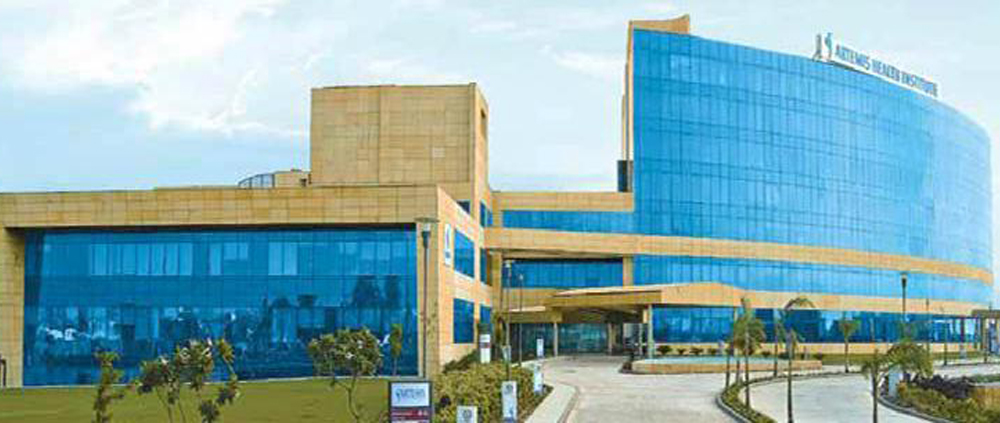
Sector 51 Gurgaon, Haryana 122 017, INDIA
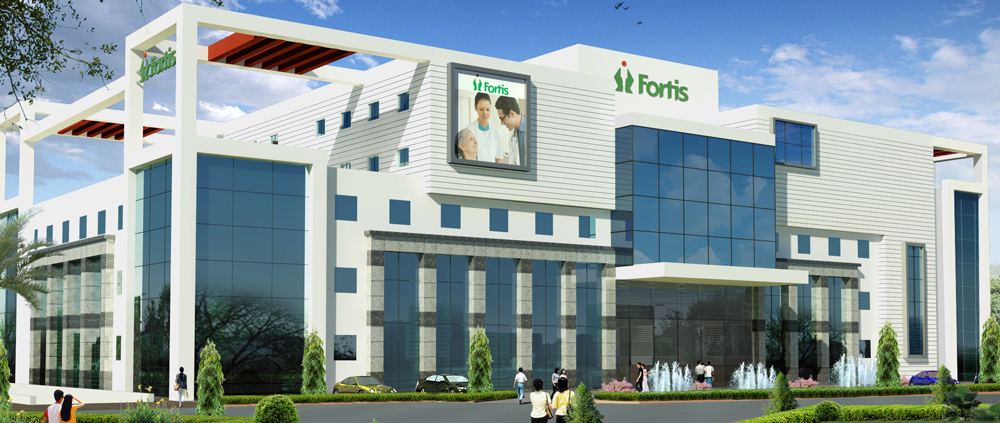
Sector – 44, Opposite HUDA City Centre, Gurgaon, Haryana – 122002, India
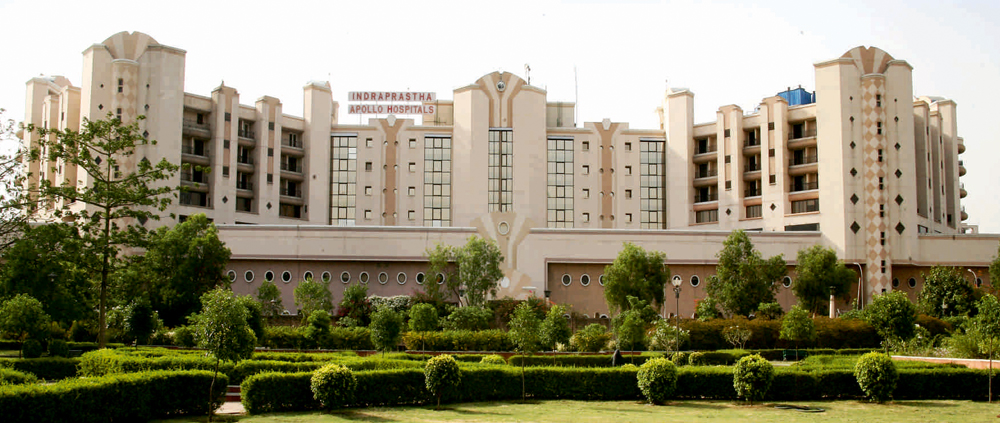
Sarita Vihar, Mathura Road, New Delhi – 110076 , INDIA