
30 minutes to 4 hours depending on the procedure performed. ERCP and EUS procedures typically take 30 minutes to 2 hours, while surgery may take longer.
2 to 10 days in the hospital and 1 to 4 weeks in India depending on the severity of pancreatitis and treatment plan.
Conscious sedation or general anesthesia may be used depending on the procedure performed.
2,500 to 12,000*
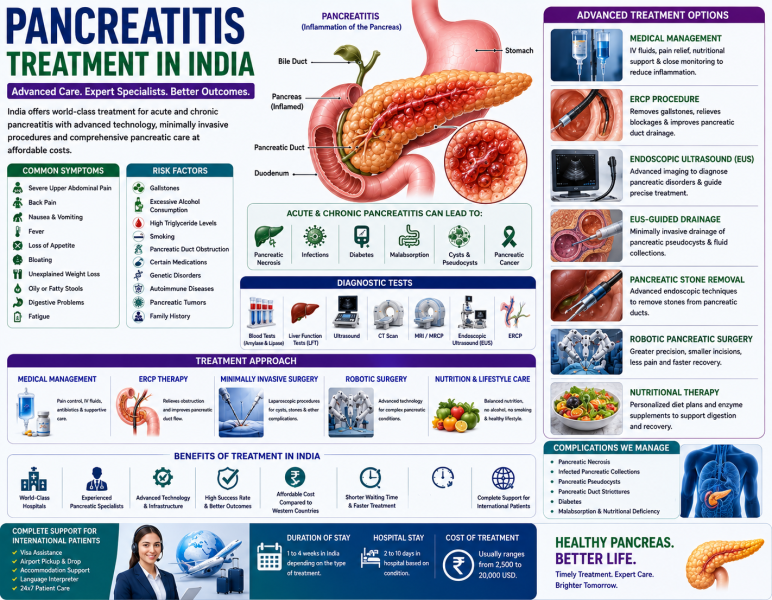
Pancreatitis is a condition characterized by inflammation of the pancreas, an important organ responsible for digestion and blood sugar regulation. It can occur suddenly as acute pancreatitis or develop gradually as chronic pancreatitis. If left untreated, pancreatitis can lead to severe complications such as pancreatic necrosis, infections, diabetes, digestive disorders, and even pancreatic cancer. India has become one of the leading destinations for advanced and affordable pancreatitis treatment, offering world-class gastroenterology care, experienced pancreatic specialists, and modern treatment technologies for international patients.
Thousands of patients travel to India every year seeking affordable pancreatitis treatment, faster access to specialists, advanced diagnostic facilities, and personalized treatment plans. Leading hospitals in India provide comprehensive treatment for acute pancreatitis, chronic pancreatitis, recurrent pancreatitis, pancreatic cysts, pancreatic stones, and complex pancreatic disorders.
Recent advancements in pancreatitis treatment have significantly improved patient outcomes. Leading hospitals now use Endoscopic Ultrasound (EUS), ERCP (Endoscopic Retrograde Cholangiopancreatography), minimally invasive pancreatic surgery, robotic pancreatic surgery, AI-assisted imaging, advanced pancreatic drainage procedures, EUS-guided interventions, precision diagnostics, and multidisciplinary pancreatic care programs. These innovations help improve diagnosis, reduce complications, and preserve pancreatic function.
One of the biggest advantages of choosing India for pancreatitis treatment is affordability. Compared to many international destinations, treatment costs in India are significantly lower while maintaining international standards of quality, safety, and patient care. International patients also receive complete medical tourism support including online consultations, treatment planning, medical visa assistance, airport transfers, accommodation support, interpreter services, and dedicated patient coordinators.
Whether you are seeking treatment for acute pancreatitis, chronic pancreatitis, pancreatic stones, pancreatic cysts, or recurrent pancreatic inflammation, India offers advanced treatment options, expert care, and renewed hope for recovery.
Symptoms of pancreatitis may include:
Early diagnosis and treatment can help prevent serious complications.
Several factors may increase the risk of pancreatitis, including:
Managing risk factors can significantly reduce complications.
Before treatment, specialists perform detailed evaluations to determine the cause and severity of pancreatitis.
Diagnostic tests may include:
International patients are encouraged to share medical reports before travel for personalized treatment planning.
Pancreatitis treatment in India is customized according to the severity of the disease and underlying cause.
Acute pancreatitis is often treated with intravenous fluids, pain management, nutritional support, and close monitoring.
Advanced imaging technology helps diagnose pancreatic abnormalities and guide treatment decisions.
A specialized endoscopic procedure used to remove gallstones, relieve pancreatic duct blockages, and improve pancreatic drainage.
Advanced endoscopic techniques help remove stones obstructing the pancreatic ducts.
Minimally invasive drainage procedures are used to treat pancreatic pseudocysts and fluid collections.
One of the latest advancements in pancreatic care, robotic surgery offers greater precision, smaller incisions, and faster recovery.
Laparoscopic procedures help treat complex pancreatic disorders with reduced recovery time.
Specialized nutrition programs support pancreatic healing and long-term digestive health.
Recovery after pancreatitis treatment depends on the severity of the condition and treatment performed.
Post-treatment care may include:
Many patients experience significant improvement with timely treatment and proper follow-up care.
India has achieved excellent outcomes in pancreatitis treatment due to advanced gastroenterology care, experienced pancreatic specialists, and personalized treatment approaches.
Modern innovations such as EUS-guided interventions, ERCP technology, robotic surgery, AI-assisted diagnostics, minimally invasive procedures, and precision pancreatic care are helping improve recovery rates and reduce complications.
Early treatment significantly improves outcomes and helps preserve pancreatic function.
Symptoms of pancreatitis may include:
Early diagnosis and treatment can help prevent serious complications.
Several factors may increase the risk of pancreatitis, including:
Managing risk factors can significantly reduce complications.
Before treatment, specialists perform detailed evaluations to determine the cause and severity of pancreatitis.
Diagnostic tests may include:
International patients are encouraged to share medical reports before travel for personalized treatment planning.
Pancreatitis treatment in India is customized according to the severity of the disease and underlying cause.
Acute pancreatitis is often treated with intravenous fluids, pain management, nutritional support, and close monitoring.
Advanced imaging technology helps diagnose pancreatic abnormalities and guide treatment decisions.
A specialized endoscopic procedure used to remove gallstones, relieve pancreatic duct blockages, and improve pancreatic drainage.
Advanced endoscopic techniques help remove stones obstructing the pancreatic ducts.
Minimally invasive drainage procedures are used to treat pancreatic pseudocysts and fluid collections.
One of the latest advancements in pancreatic care, robotic surgery offers greater precision, smaller incisions, and faster recovery.
Laparoscopic procedures help treat complex pancreatic disorders with reduced recovery time.
Specialized nutrition programs support pancreatic healing and long-term digestive health.
Recovery after pancreatitis treatment depends on the severity of the condition and treatment performed.
Post-treatment care may include:
Many patients experience significant improvement with timely treatment and proper follow-up care.
India has achieved excellent outcomes in pancreatitis treatment due to advanced gastroenterology care, experienced pancreatic specialists, and personalized treatment approaches.
Modern innovations such as EUS-guided interventions, ERCP technology, robotic surgery, AI-assisted diagnostics, minimally invasive procedures, and precision pancreatic care are helping improve recovery rates and reduce complications.
Early treatment significantly improves outcomes and helps preserve pancreatic function.
Yes. Pancreatitis treatment in India is significantly more affordable than in many countries while maintaining international standards of care.
Recent advancements include EUS-guided procedures, ERCP, robotic pancreatic surgery, minimally invasive pancreatic surgery, AI-assisted imaging, and advanced pancreatic drainage techniques.
While chronic pancreatitis may not always be completely cured, advanced treatments can effectively control symptoms and improve quality of life.
Most patients respond to medical treatment, but surgery may be necessary for pancreatic stones, strictures, cysts, or severe complications.
Yes. India is recognized globally for advanced gastroenterology care, experienced specialists, modern hospitals, and affordable treatment options.
Yes. International patients receive complete support including treatment planning, medical visa assistance, accommodation arrangements, interpreter services, and post-treatment follow-up.

Rockland Qutab, South Delhi, B 33- 34,Qutub Institutional Area, Katwaria Sarai – New Delhi
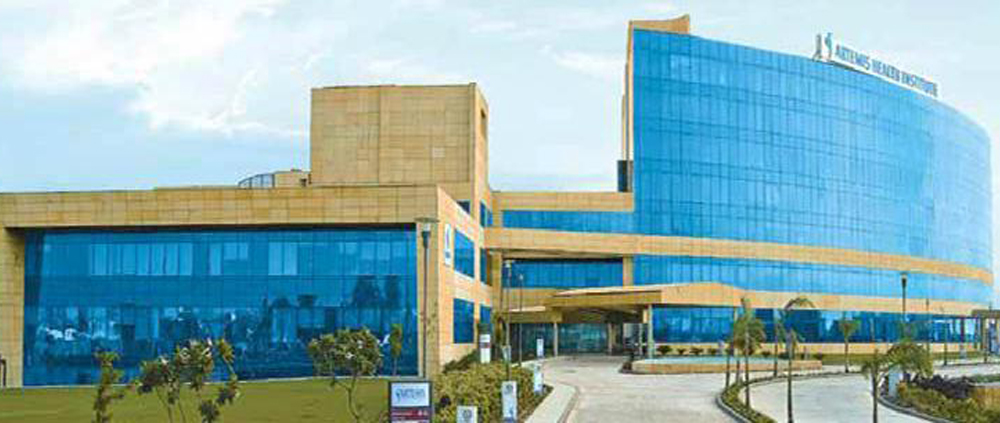
Sector 51 Gurgaon, Haryana 122 017, INDIA
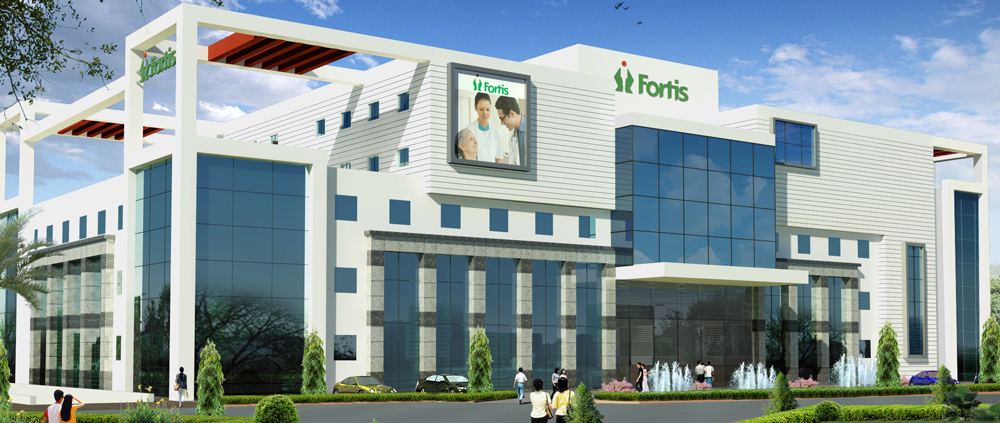
Sector – 44, Opposite HUDA City Centre, Gurgaon, Haryana – 122002, India
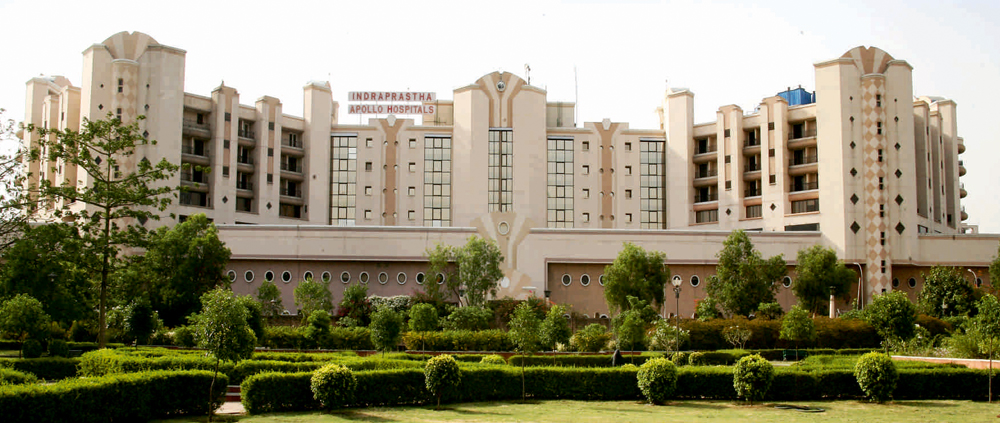
Sarita Vihar, Mathura Road, New Delhi – 110076 , INDIA