
1 hour to 12 hours depending on the treatment approach. Surgical procedures may take several hours, while immunotherapy and targeted therapy are administered over multiple treatment cycles.
3 to 14 days in the hospital and 2 to 8 weeks in India depending on the treatment plan and recovery requirements.
General anesthesia is commonly used for liver cancer surgery and liver transplantation procedures. Minimally invasive procedures may use local anesthesia with sedation.
4,000 to 35,000 USD*
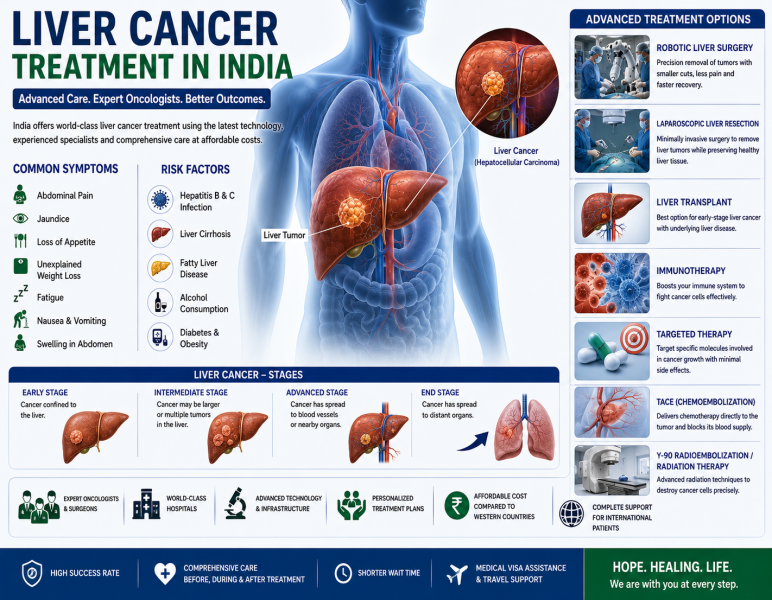
Liver cancer is one of the most serious forms of cancer, often developing in patients with chronic liver disease, hepatitis infections, cirrhosis, or other liver conditions. Early diagnosis and access to advanced treatment can significantly improve outcomes and survival rates. India has become one of the leading destinations for advanced and affordable liver cancer treatment, offering world-class oncology care, experienced liver cancer specialists, and cutting-edge treatment technologies for international patients.
Every year, thousands of patients choose India for liver cancer treatment because of its combination of medical expertise, advanced technology, shorter waiting times, and significantly lower treatment costs. Leading cancer hospitals in India provide comprehensive treatment for primary liver cancer (Hepatocellular Carcinoma - HCC), cholangiocarcinoma (bile duct cancer), metastatic liver tumors, and complex liver malignancies.
Recent advancements in liver cancer treatment have transformed patient outcomes. Leading hospitals now use robotic liver surgery, laparoscopic liver resection, liver transplantation for selected patients, targeted therapy, immunotherapy, precision oncology, molecular profiling, AI-assisted cancer diagnosis, proton therapy, stereotactic body radiotherapy (SBRT), transarterial chemoembolization (TACE), radioembolization (Y-90 therapy), and personalized treatment planning. These innovations help improve survival rates while minimizing side effects and preserving healthy liver function.
One of the biggest advantages of choosing India for liver cancer treatment is affordability. Compared to many countries, liver cancer treatment costs in India are significantly lower while maintaining international standards of quality, safety, and patient care. International patients also receive complete medical tourism support, including online consultations, treatment planning, medical visa assistance, airport transfers, accommodation support, interpreter services, and dedicated international patient coordinators.
Whether you are seeking treatment for hepatocellular carcinoma (HCC), bile duct cancer, metastatic liver cancer, or advanced liver tumors, India offers advanced cancer care, expert specialists, and renewed hope for recovery.
Liver cancer symptoms may not appear during the early stages. As the disease progresses, patients may experience:
Early diagnosis significantly improves treatment success and survival outcomes.
Several factors increase the risk of developing liver cancer, including:
Patients with chronic liver disease should undergo regular screening for early detection.
Before treatment, specialists perform detailed evaluations to determine the stage and extent of cancer.
Diagnostic tests may include:
International patients are encouraged to share medical reports before travel for personalized treatment planning.
Liver cancer treatment in India is personalized according to the stage of cancer, liver function, and overall patient health.
Surgical removal of the tumor remains one of the most effective treatment options for early-stage liver cancer.
Advanced robotic systems allow highly precise tumor removal with smaller incisions, less blood loss, and faster recovery.
A minimally invasive approach that removes cancerous liver tissue while preserving healthy liver function.
Selected patients with early-stage liver cancer and underlying liver disease may benefit from liver transplantation.
One of the most important advancements in liver cancer treatment, immunotherapy helps the body's immune system recognize and attack cancer cells.
Targeted medicines attack specific cancer pathways while minimizing damage to healthy tissues.
Molecular profiling and genetic testing help create personalized treatment plans based on the biological characteristics of the tumor.
A specialized procedure that delivers chemotherapy directly into the tumor while blocking its blood supply.
Advanced internal radiation treatment using radioactive microspheres to destroy liver tumors.
Highly precise radiation therapies that target tumors while minimizing exposure to surrounding healthy tissues.
Recovery after liver cancer treatment depends on the treatment method and disease stage.
Post-treatment care may include:
Comprehensive follow-up care helps improve long-term outcomes and quality of life.
India has achieved excellent outcomes in liver cancer treatment due to advanced oncology technology, experienced cancer specialists, and personalized treatment approaches.
Modern innovations such as immunotherapy, targeted therapy, robotic liver surgery, proton therapy, molecular profiling, AI-assisted diagnostics, Y-90 radioembolization, and precision oncology are helping improve survival rates and treatment success.
Patients diagnosed at an early stage often achieve significantly better outcomes and long-term disease control.
Liver cancer symptoms may not appear during the early stages. As the disease progresses, patients may experience:
Early diagnosis significantly improves treatment success and survival outcomes.
Several factors increase the risk of developing liver cancer, including:
Patients with chronic liver disease should undergo regular screening for early detection.
Before treatment, specialists perform detailed evaluations to determine the stage and extent of cancer.
Diagnostic tests may include:
International patients are encouraged to share medical reports before travel for personalized treatment planning
Liver cancer treatment in India is personalized according to the stage of cancer, liver function, and overall patient health.
Surgical removal of the tumor remains one of the most effective treatment options for early-stage liver cancer.
Advanced robotic systems allow highly precise tumor removal with smaller incisions, less blood loss, and faster recovery.
A minimally invasive approach that removes cancerous liver tissue while preserving healthy liver function.
Selected patients with early-stage liver cancer and underlying liver disease may benefit from liver transplantation.
One of the most important advancements in liver cancer treatment, immunotherapy helps the body's immune system recognize and attack cancer cells.
Targeted medicines attack specific cancer pathways while minimizing damage to healthy tissues.
Molecular profiling and genetic testing help create personalized treatment plans based on the biological characteristics of the tumor.
A specialized procedure that delivers chemotherapy directly into the tumor while blocking its blood supply.
Advanced internal radiation treatment using radioactive microspheres to destroy liver tumors.
Highly precise radiation therapies that target tumors while minimizing exposure to surrounding healthy tissues.
Recovery after liver cancer treatment depends on the treatment method and disease stage.
Post-treatment care may include:
Comprehensive follow-up care helps improve long-term outcomes and quality of life.
India has achieved excellent outcomes in liver cancer treatment due to advanced oncology technology, experienced cancer specialists, and personalized treatment approaches.
Modern innovations such as immunotherapy, targeted therapy, robotic liver surgery, proton therapy, molecular profiling, AI-assisted diagnostics, Y-90 radioembolization, and precision oncology are helping improve survival rates and treatment success.
Patients diagnosed at an early stage often achieve significantly better outcomes and long-term disease control.
Yes. Liver cancer treatment in India is significantly more affordable than in many countries while maintaining international standards of oncology care.
Recent advancements include immunotherapy, targeted therapy, robotic liver surgery, proton therapy, Y-90 radioembolization, molecular profiling, AI-assisted diagnosis, and precision oncology.
Early-stage liver cancer can often be successfully treated with surgery, liver transplantation, or other advanced therapies. Outcomes depend on the stage and overall liver health.
Yes. Selected patients with early-stage liver cancer and underlying liver disease may benefit from liver transplantation.
Yes. India is recognized globally for advanced cancer care, experienced oncologists, modern hospitals, and affordable treatment options.
Yes. International patients receive complete support including treatment planning, visa assistance, accommodation arrangements, interpreter services, and post-treatment follow-up.

Rockland Qutab, South Delhi, B 33- 34,Qutub Institutional Area, Katwaria Sarai – New Delhi
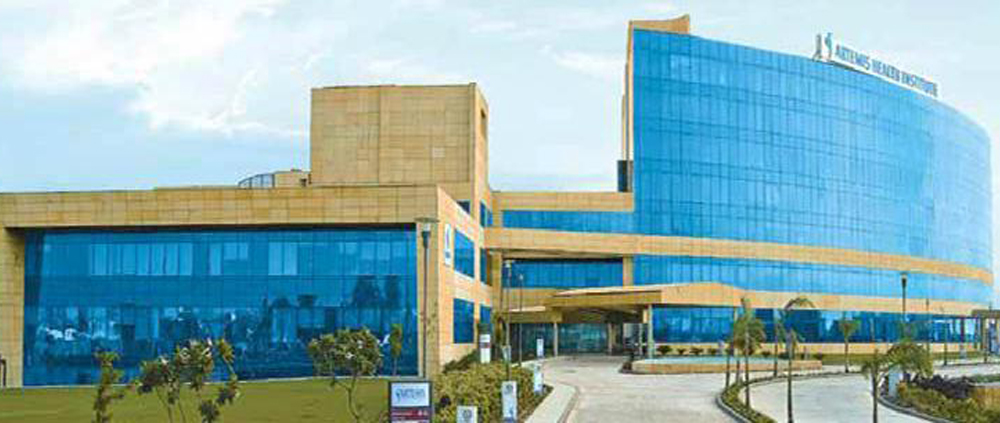
Sector 51 Gurgaon, Haryana 122 017, INDIA
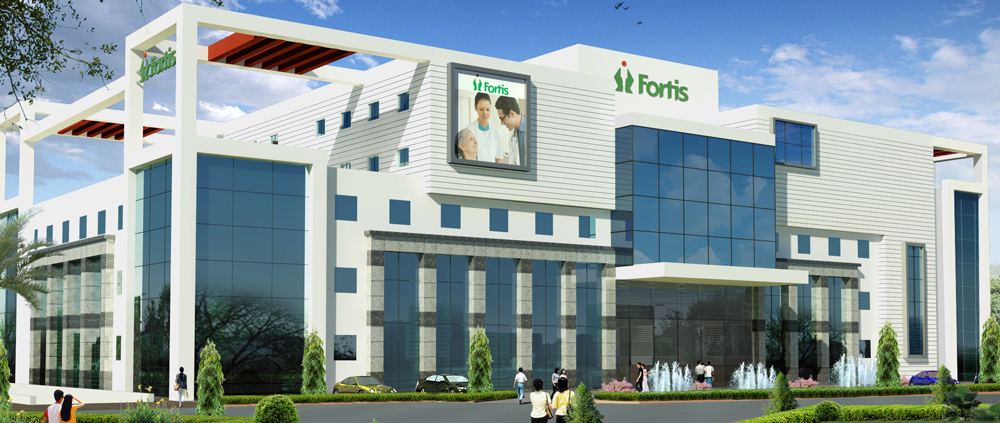
Sector – 44, Opposite HUDA City Centre, Gurgaon, Haryana – 122002, India
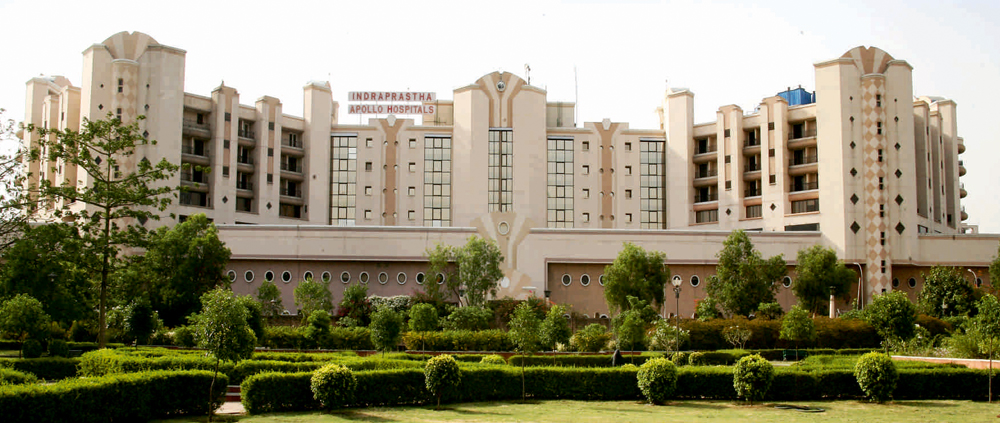
Sarita Vihar, Mathura Road, New Delhi – 110076 , INDIA