
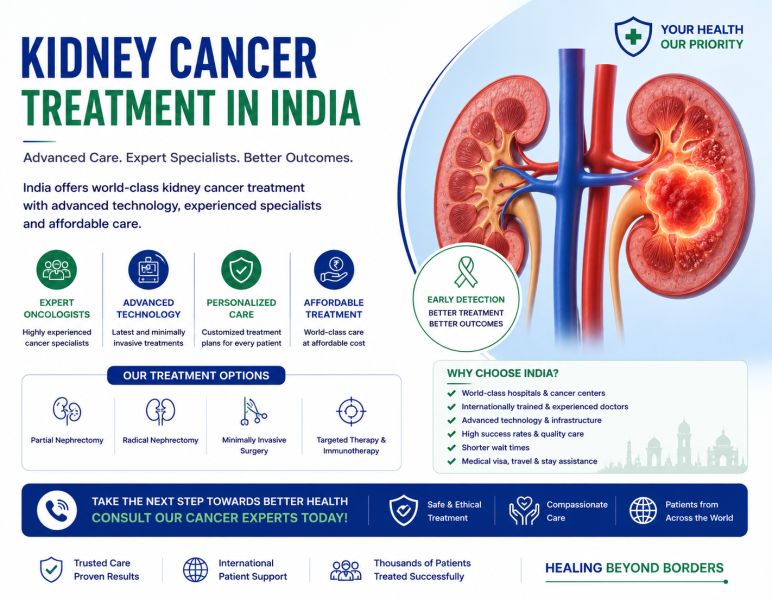
Surgery usually takes 2 to 6 hours depending on the complexity of the procedure. Additional treatments such as immunotherapy or targeted therapy may continue for several months.
Usually 3 to 10 days in the hospital depending on the type of surgery and recovery progress.
General anesthesia is commonly used for kidney cancer surgery and major procedures.
4,500 to 15,000 USD*
Kidney Cancer, also known as Renal Cancer or Renal Cell Carcinoma (RCC), is a type of cancer that develops in the tissues of the kidney. It is one of the most common urological cancers and can affect adults of all ages. When detected early, kidney cancer is highly treatable, and many patients achieve excellent long-term outcomes. India has become one of the leading destinations for advanced and affordable kidney cancer treatment, offering world-class oncology care, experienced urologic cancer surgeons, and cutting-edge treatment technologies for international patients.
Every year, thousands of patients travel to India seeking affordable kidney cancer treatment, faster access to specialists, advanced medical technology, and personalized cancer care. Leading cancer hospitals in India provide comprehensive treatment for localized kidney cancer, advanced renal cancer, metastatic kidney cancer, recurrent kidney cancer, and rare kidney tumors.
Recent advancements in kidney cancer treatment have significantly improved survival rates and quality of life. Leading hospitals now use robotic kidney cancer surgery, laparoscopic nephrectomy, nephron-sparing surgery, precision oncology, molecular profiling, targeted therapy, immunotherapy, AI-assisted cancer diagnostics, image-guided surgery, and personalized treatment plans. These innovations help preserve kidney function, improve treatment accuracy, and reduce recovery time.
One of the biggest advantages of choosing India for kidney cancer treatment is affordability. Compared to many international destinations, treatment costs in India are significantly lower while maintaining international standards of quality, safety, and patient care. International patients also receive complete medical tourism support including online consultations, medical visa assistance, airport transfers, accommodation support, interpreter services, and dedicated patient coordinators.
Whether you are seeking treatment for early-stage kidney cancer, advanced renal cell carcinoma, kidney tumors, or metastatic kidney cancer, India offers advanced treatment options, expert care, and renewed hope for recovery.
Kidney cancer may not cause symptoms in its early stages. As the disease progresses, patients may experience:
Early diagnosis significantly improves treatment outcomes.
Several factors may increase the risk of developing kidney cancer, including:
Regular health screening is important for individuals with risk factors.
Before treatment, specialists perform detailed evaluations to determine the stage and extent of cancer.
Diagnostic tests may include:
International patients are encouraged to share medical reports before travelling for personalized treatment planning.
Kidney cancer treatment in India is customized according to the stage, size of the tumor, and overall patient health.
Also known as nephron-sparing surgery, this procedure removes the tumor while preserving healthy kidney tissue.
Complete removal of the affected kidney and surrounding tissues when necessary.
One of the latest advancements in kidney cancer treatment. Robotic technology provides greater precision, smaller incisions, less blood loss, and faster recovery.
A minimally invasive surgical approach that reduces pain and shortens hospital stay.
A modern treatment that destroys cancer cells using extreme cold temperatures.
A minimally invasive technique that uses heat energy to destroy cancer cells.
Advanced medications target specific cancer pathways and help control disease progression.
One of the most significant breakthroughs in kidney cancer treatment. Immunotherapy helps the body's immune system recognize and attack cancer cells.
Molecular profiling helps create personalized treatment plans based on the genetic characteristics of the tumor.
Recovery after kidney cancer treatment depends on the type of treatment performed.
Post-treatment care may include:
Comprehensive follow-up care helps improve long-term outcomes.
Advancements in kidney cancer care have transformed the outlook for many patients diagnosed with this disease. Today, many patients successfully return to their daily activities, careers, family life, and social responsibilities following treatment.
India's leading cancer centers combine advanced surgical expertise, robotic technology, immunotherapy, targeted therapy, and precision oncology to deliver personalized care and improved outcomes. Patients diagnosed at an early stage often achieve excellent long-term disease control, while those with advanced disease benefit from innovative therapies that help extend survival and improve quality of life.
With proper follow-up care, regular monitoring, and a healthy lifestyle, many kidney cancer survivors continue to live active and fulfilling lives for years after treatment.
Several factors may increase the risk of developing kidney cancer, including:
Regular health screening is important for individuals with risk factors.
Before treatment, specialists perform detailed evaluations to determine the stage and extent of cancer.
Diagnostic tests may include:
International patients are encouraged to share medical reports before travelling for personalized treatment planning.
Kidney cancer treatment in India is customized according to the stage, size of the tumor, and overall patient health.
Also known as nephron-sparing surgery, this procedure removes the tumor while preserving healthy kidney tissue.
Complete removal of the affected kidney and surrounding tissues when necessary.
One of the latest advancements in kidney cancer treatment. Robotic technology provides greater precision, smaller incisions, less blood loss, and faster recovery.
A minimally invasive surgical approach that reduces pain and shortens hospital stay.
A modern treatment that destroys cancer cells using extreme cold temperatures.
A minimally invasive technique that uses heat energy to destroy cancer cells.
Advanced medications target specific cancer pathways and help control disease progression.
One of the most significant breakthroughs in kidney cancer treatment. Immunotherapy helps the body's immune system recognize and attack cancer cells.
Molecular profiling helps create personalized treatment plans based on the genetic characteristics of the tumor.
Recovery after kidney cancer treatment depends on the type of treatment performed.
Post-treatment care may include:
Comprehensive follow-up care helps improve long-term outcomes.
Recovery after kidney cancer treatment depends on the type of treatment performed.
Post-treatment care may include:
Comprehensive follow-up care helps improve long-term outcomes.
Advancements in kidney cancer care have transformed the outlook for many patients diagnosed with this disease. Today, many patients successfully return to their daily activities, careers, family life, and social responsibilities following treatment.
India's leading cancer centers combine advanced surgical expertise, robotic technology, immunotherapy, targeted therapy, and precision oncology to deliver personalized care and improved outcomes. Patients diagnosed at an early stage often achieve excellent long-term disease control, while those with advanced disease benefit from innovative therapies that help extend survival and improve quality of life.
With proper follow-up care, regular monitoring, and a healthy lifestyle, many kidney cancer survivors continue to live active and fulfilling lives for years after treatment.
Yes. Kidney cancer treatment in India is significantly more affordable than in many countries while maintaining international standards of oncology care.
Recent advancements include robotic kidney surgery, immunotherapy, targeted therapy, precision oncology, cryoablation, molecular profiling, and AI-assisted cancer diagnostics.
Many kidney cancers can be successfully treated, especially when diagnosed at an early stage.
Yes. Many leading cancer hospitals in India offer robotic-assisted kidney cancer surgery with excellent outcomes.
Yes. India is recognized globally for advanced cancer care, experienced specialists, modern hospitals, and affordable treatment options.
Yes. International patients receive assistance with medical visas, accommodation, airport transfers, interpreters, and post-treatment follow-up.
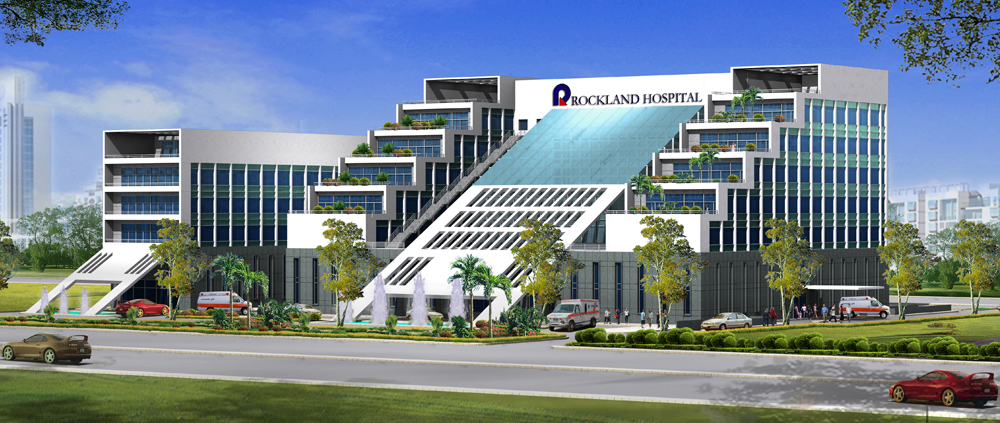
Rockland Qutab, South Delhi, B 33- 34,Qutub Institutional Area, Katwaria Sarai – New Delhi
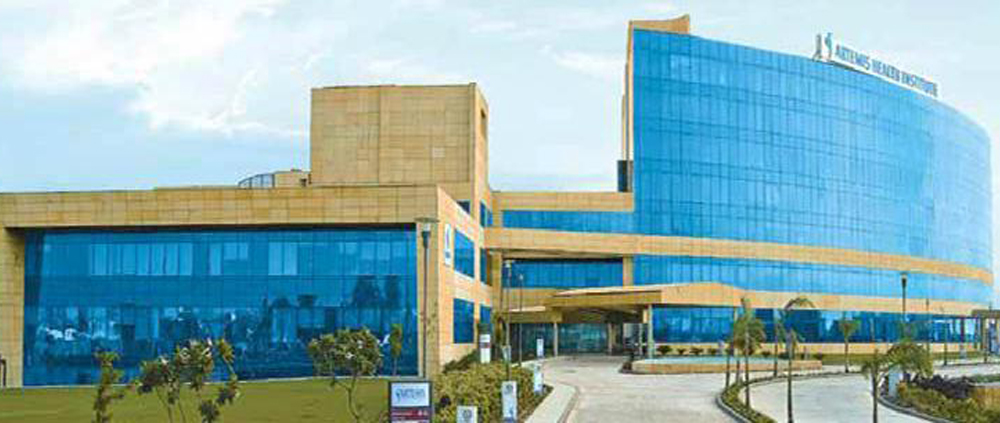
Sector 51 Gurgaon, Haryana 122 017, INDIA
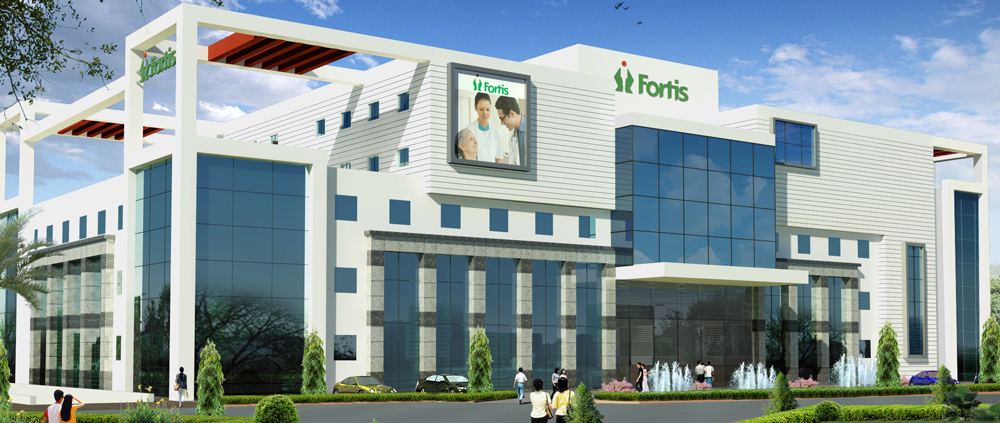
Sector – 44, Opposite HUDA City Centre, Gurgaon, Haryana – 122002, India
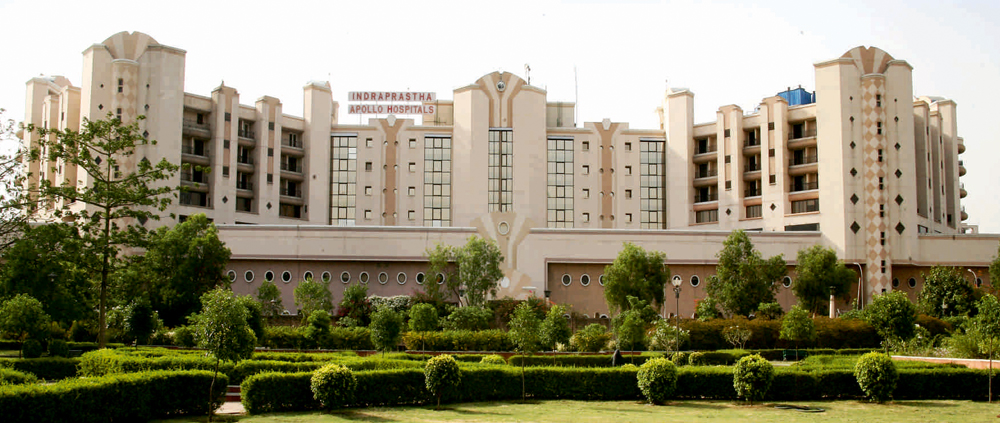
Sarita Vihar, Mathura Road, New Delhi – 110076 , INDIA