
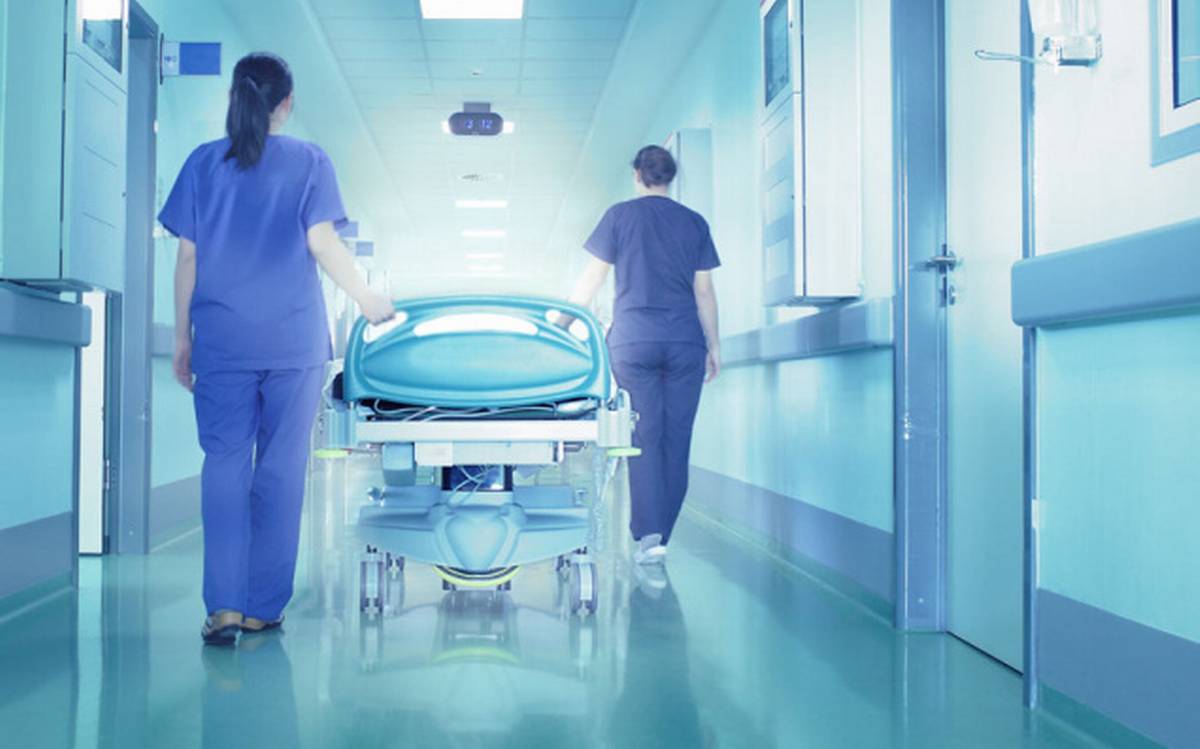
Medical emergencies can occur without warning and often require immediate treatment to prevent serious complications or loss of life. Whether it is a heart attack, stroke, severe trauma, accident, poisoning, respiratory failure, or sudden illness, timely medical intervention plays a critical role in patient survival and recovery.
Over the past decade, India has made remarkable progress in strengthening its emergency healthcare infrastructure. Modern emergency departments, advanced ambulance services, trauma centers, and highly trained emergency physicians are transforming how critical care is delivered across the country.
Today, India is not only recognized for its affordable and advanced healthcare services but is also emerging as a destination for international patients seeking specialized emergency and critical care treatment.
What is Emergency Medicine?
Emergency Medicine is a specialized branch of healthcare focused on the immediate assessment, diagnosis, stabilization, and treatment of patients facing acute illnesses or life-threatening injuries.
Emergency physicians are trained to manage a wide range of critical conditions, including:
- Heart Attack (Myocardial Infarction)
- Stroke
- Cardiac Arrest
- Severe Trauma and Accidents
- Head Injuries
- Burns
- Poisoning
- Respiratory Distress
- Sepsis and Severe Infections
- Sudden Neurological Emergencies
Their primary goal is to provide rapid treatment during the crucial "golden hour" when prompt medical intervention can significantly improve outcomes.
Growth of Emergency Medicine in India
India's healthcare system has witnessed significant advancements in recent years.
Today, major hospitals across the country offer:
Dedicated Emergency Departments
Modern emergency rooms operate 24/7 with specialized teams ready to handle critical situations.
Advanced Trauma Centers
Specialized trauma units manage road traffic accidents, fractures, head injuries, and multiple trauma cases.
Intensive Care Units (ICUs)
State-of-the-art critical care facilities support patients requiring continuous monitoring and advanced treatment.
Air and Ground Ambulance Services
Emergency transport systems help transfer critically ill patients quickly and safely.
Tele-Emergency Consultation
Doctors can now provide emergency medical guidance remotely, improving access to healthcare in underserved regions.
Latest Advancements in Emergency Medicine
Emergency healthcare in India has evolved rapidly through technological innovation.
Artificial Intelligence (AI) in Emergency Care
AI-assisted systems help doctors identify critical conditions faster and prioritize patient treatment.
Advanced Stroke Management
Modern stroke centers now offer rapid imaging and clot-removal procedures, significantly improving patient outcomes.
Portable Diagnostic Technology
Point-of-care testing enables faster diagnosis directly in emergency departments.
Smart Ambulances
Advanced Life Support (ALS) ambulances are equipped with:
- Cardiac Monitors
- Defibrillators
- Ventilators
- Emergency Medications
- Telemedicine Connectivity
Robotic and Minimally Invasive Emergency Surgery
Advanced surgical technologies allow quicker intervention with shorter recovery periods.
Common Medical Emergencies Requiring Immediate Care
Heart Attack
Rapid diagnosis and emergency cardiac intervention can save heart muscle and improve survival.
Stroke
Immediate treatment can prevent permanent brain damage and disability.
Road Traffic Accidents
India's trauma centers provide specialized care for fractures, head injuries, and multiple trauma cases.
Severe Respiratory Distress
Conditions such as pneumonia, asthma attacks, and respiratory failure require urgent medical attention.
Poisoning and Toxic Exposure
Emergency physicians provide life-saving detoxification and supportive care.
Burns and Electrical Injuries
Specialized burn units offer advanced wound care and reconstructive treatment options.
Challenges and Progress in Emergency Healthcare
As one of the world's most populous nations, India faces unique healthcare challenges.
These include:
- High Patient Volumes
- Rural Healthcare Accessibility
- Emergency Workforce Shortages
- Trauma Burden from Road Accidents
However, substantial progress is being made through:
- Expansion of Emergency Medicine Training Programs
- Improved Ambulance Networks
- Government Healthcare Initiatives
- Digital Health Technologies
- Increased Investment in Critical Care Infrastructure
The future of emergency medicine in India continues to look promising.
Why International Patients Choose India for Emergency and Critical Care
India has become a preferred destination for healthcare because of:
Experienced Medical Professionals
Emergency specialists, intensivists, trauma surgeons, and critical care experts provide high-quality treatment.
Advanced Hospital Infrastructure
Leading hospitals offer:
- Level 1 Trauma Centers
- Cardiac Emergency Units
- Neurocritical Care Facilities
- Comprehensive ICUs
Affordable Treatment Costs
Emergency treatment in India is often significantly more cost-effective than in many Western countries.
Multidisciplinary Care
Specialists from multiple departments collaborate to provide comprehensive treatment.
How Mufa MediTourism Supports International Patients
At Mufa MediTourism, we help international patients access India's leading emergency and critical care hospitals.
Our services include:
Emergency Medical Coordination
Rapid connection with appropriate hospitals and specialists.
Hospital Selection
Guidance in choosing the best facility based on medical needs.
Medical Visa Assistance
Support for urgent medical travel documentation.
Travel and Accommodation Support
Comprehensive assistance for patients and accompanying family members.
Post-Treatment Follow-Up
Ongoing care coordination and recovery support.
Our mission is to ensure that patients receive timely, safe, and high-quality medical care when they need it most.
Conclusion
Emergency Medicine is one of the most important pillars of modern healthcare. Rapid diagnosis, immediate treatment, and advanced critical care services can make the difference between life and death during medical emergencies.
India has made significant strides in developing world-class emergency healthcare services through modern technology, specialized training, advanced ambulance systems, and internationally recognized hospitals. As healthcare infrastructure continues to grow, India is well-positioned to become a global leader in emergency and critical care medicine.
With the support of Mufa Meditourism, international patients can access trusted emergency medical services, experienced specialists, and comprehensive healthcare support throughout their treatment journey.