
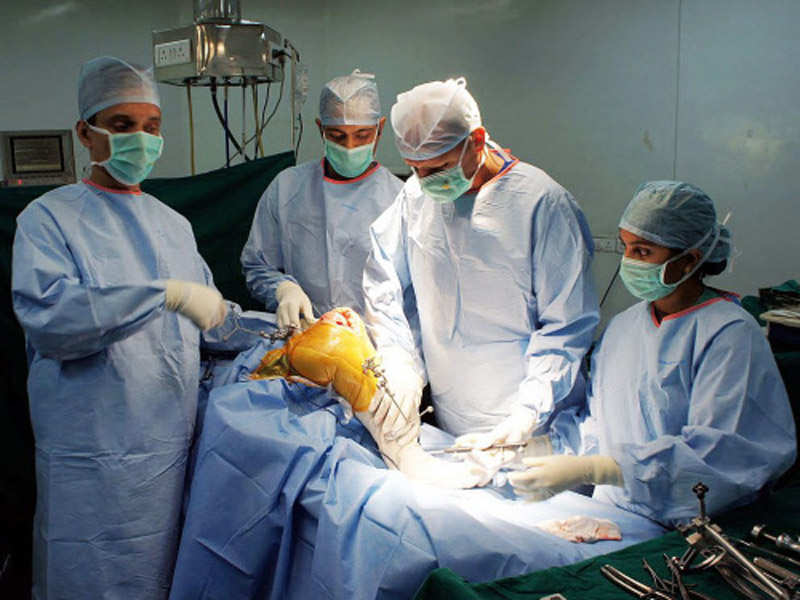
Chronic knee pain can make even simple daily activities such as walking, climbing stairs, sitting, or standing extremely difficult. For millions of people worldwide, severe knee arthritis and joint damage significantly reduce mobility and quality of life.
When medications, physiotherapy, injections, and other conservative treatments no longer provide relief, Knee Replacement Surgery may become the most effective solution. Modern orthopedic advancements have made knee replacement safer, more precise, and more successful than ever before.
One of the most important decisions during treatment is choosing the right knee prosthesis. The type of implant used can affect mobility, comfort, durability, and long-term outcomes.
India has become a leading destination for Knee Replacement Surgery, offering advanced robotic technology, experienced orthopedic surgeons, high-quality implants, and affordable treatment costs for international patients.
What Is a Knee Prosthesis?
A knee prosthesis is an artificial implant used to replace damaged portions of the knee joint during Knee Replacement Surgery.
The implant is designed to restore normal knee function, reduce pain, improve mobility, and help patients return to an active lifestyle.
Modern knee implants are typically made from:
- Medical-Grade Titanium
- Cobalt-Chromium Alloys
- Polyethylene Components
- Ceramic Materials
These materials are highly durable and designed to withstand years of daily movement.
Why Do Patients Need Knee Replacement Surgery?
The most common reason for knee replacement is severe joint damage caused by arthritis or injury.
Osteoarthritis
The most common cause of knee degeneration, where cartilage gradually wears away, causing pain and stiffness.
Rheumatoid Arthritis
An autoimmune disease that causes inflammation and progressive joint damage.
Post-Traumatic Arthritis
Joint deterioration resulting from fractures, ligament injuries, or previous trauma.
Knee Deformities
Conditions such as bow legs or knock knees can place abnormal stress on the joint and lead to degeneration.
Signs You May Need Knee Replacement Surgery
Your orthopedic specialist may recommend knee replacement if you experience:
- Severe knee pain during walking or daily activities
- Difficulty climbing stairs
- Persistent swelling and inflammation
- Joint stiffness
- Reduced range of motion
- Knee deformity
- Pain while resting or sleeping
- Poor response to medications and injections
- Significant reduction in quality of life
If these symptoms interfere with your daily routine, surgical treatment may be considered.
Types of Knee Replacement Procedures
Total Knee Replacement (TKR)
The entire knee joint is replaced with artificial components. This is the most commonly performed knee replacement procedure worldwide.
Partial Knee Replacement
Only the damaged portion of the knee is replaced while preserving healthy bone, cartilage, and ligaments.
Bilateral Knee Replacement
Both knees are replaced either simultaneously or in separate surgeries.
Revision Knee Replacement
This procedure replaces a previously implanted prosthesis that has worn out, loosened, or become damaged.
Latest Advances in Knee Prosthesis Technology
Orthopedic surgery has evolved significantly over the last decade.
Robotic-Assisted Knee Replacement
Robotic systems help surgeons position implants with exceptional precision, improving alignment and potentially extending implant lifespan.
Benefits include:
- Greater Surgical Accuracy
- Less Soft Tissue Damage
- Faster Recovery
- Better Implant Positioning
- Improved Long-Term Outcomes
Customized Knee Implants
Patient-specific implants are designed using advanced imaging and 3D technology to match individual anatomy.
Highly Durable Implant Materials
Modern implants use advanced wear-resistant materials that can last 20 years or longer in many patients.
Smart Knee Replacement Technology
Emerging technologies are introducing sensor-enabled implants that help monitor movement and recovery progress.
Minimally Invasive Surgery
Smaller incisions reduce pain, blood loss, and recovery time while improving cosmetic outcomes.
How to Choose the Right Knee Prosthesis
Choosing the best implant depends on several factors.
Age
Younger, active patients may benefit from highly durable implants designed for long-term use.
Activity Level
Lifestyle and physical activity influence implant selection and expected performance.
Bone Quality
Bone density and structure help determine the most suitable fixation method.
Weight and Overall Health
Body weight and medical conditions may affect implant choice and surgical planning.
Surgeon's Recommendation
An experienced orthopedic surgeon will recommend the most appropriate implant based on your anatomy and long-term goals.
Preoperative Evaluation Before Knee Replacement
Before surgery, patients undergo a comprehensive assessment.
Diagnostic Tests
- X-Rays
- MRI Scans
- CT Scans
- Blood Tests
- ECG
- Chest Imaging
Medical Assessment
Doctors evaluate overall health, existing medical conditions, and medication use to ensure safe surgery and recovery.
Personalized Treatment Planning
A customized surgical plan helps maximize implant performance and long-term success.
Recovery After Knee Replacement Surgery
Modern rehabilitation programs help patients recover faster than ever before.
Hospital Stay
Most patients remain hospitalized for approximately 3 to 5 days.
Early Mobilization
Walking often begins within 24 hours after surgery under supervision.
Physical Therapy
Structured rehabilitation improves:
- Strength
- Flexibility
- Joint Function
- Balance
Full Recovery
Most patients achieve significant improvement within 6 to 12 weeks, while complete recovery may take several months.
Success Rates of Modern Knee Replacement Surgery
Knee replacement is one of the most successful orthopedic procedures performed today.
Studies show that most patients experience:
- Significant Pain Relief
- Improved Mobility
- Better Quality of Life
- Enhanced Independence
- Long-Term Implant Performance
Advancements in robotic surgery and implant technology continue to improve patient satisfaction and surgical outcomes.
Why Choose India for Knee Replacement Surgery?
India has become one of the most trusted destinations for orthopedic treatment because of:
Internationally Experienced Orthopedic Surgeons
Many specialists have extensive experience treating complex joint conditions and performing robotic knee replacements.
Advanced Technology
Leading hospitals offer:
- Robotic-Assisted Surgery
- Computer Navigation Systems
- 3D Surgical Planning
- Minimally Invasive Techniques
Affordable Treatment Costs
Patients can save 50–70% compared to treatment costs in many Western countries.
Comprehensive International Patient Services
Hospitals provide:
- Medical Visa Support
- Travel Assistance
- Accommodation Services
- Rehabilitation Programs
How Mufa Meditourism Supports International Patients
At Mufa Meditourism, we help patients access India's leading orthopedic hospitals and knee replacement specialists.
Our services include:
Medical Report Review
We evaluate medical records and connect patients with appropriate specialists.
Hospital and Surgeon Selection
Our team helps identify the best hospital and implant options based on individual needs.
Travel and Visa Assistance
We assist with:
- Medical Visa Applications
- Airport Transfers
- Accommodation Arrangements
- Local Transportation
End-to-End Patient Support
From consultation to recovery, our coordinators remain available throughout the treatment journey.
Conclusion
Knee Replacement Surgery has transformed the lives of millions of people suffering from chronic knee pain and joint degeneration. With advancements such as robotic-assisted surgery, customized implants, minimally invasive techniques, and highly durable prostheses, patients today can expect better outcomes and faster recovery than ever before.
India offers world-class orthopedic care through experienced surgeons, advanced technology, and affordable treatment costs. With the support of Mufa Meditourism, international patients can confidently access leading knee replacement hospitals and receive personalized care throughout their medical journey.